 EN
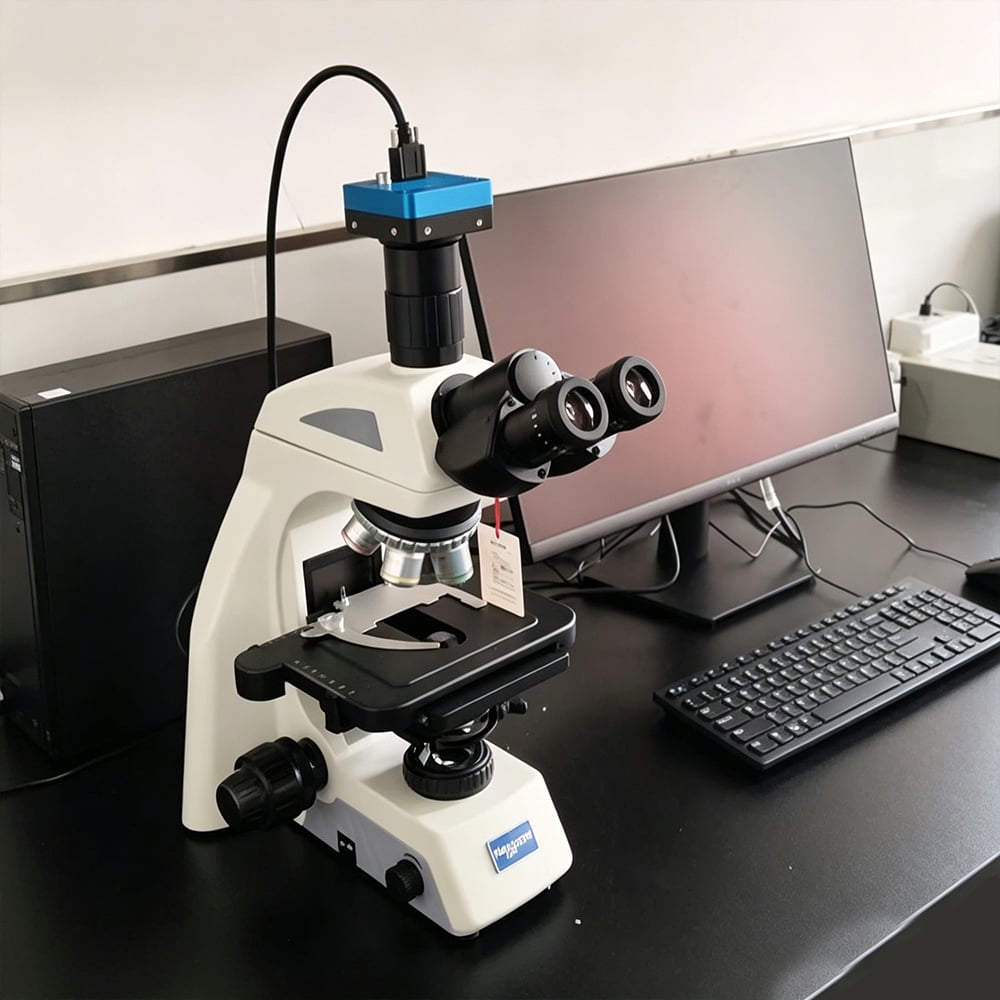
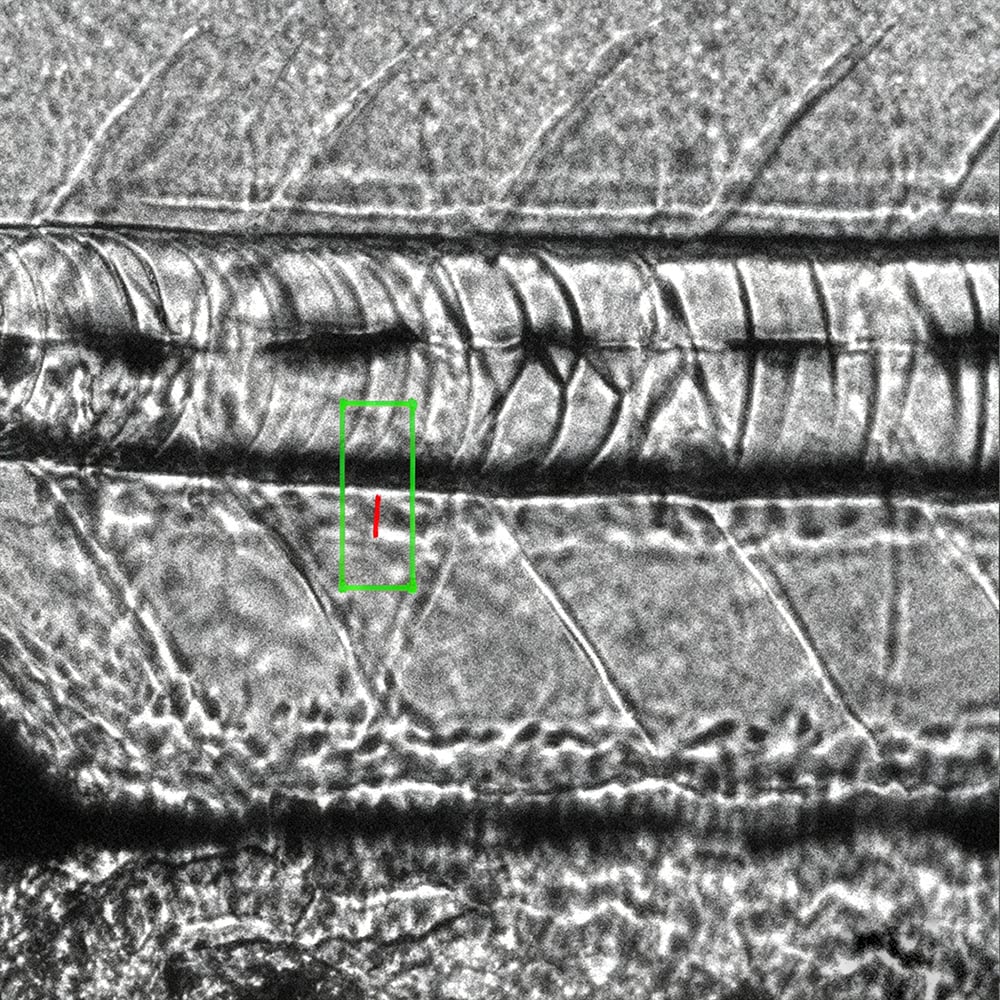
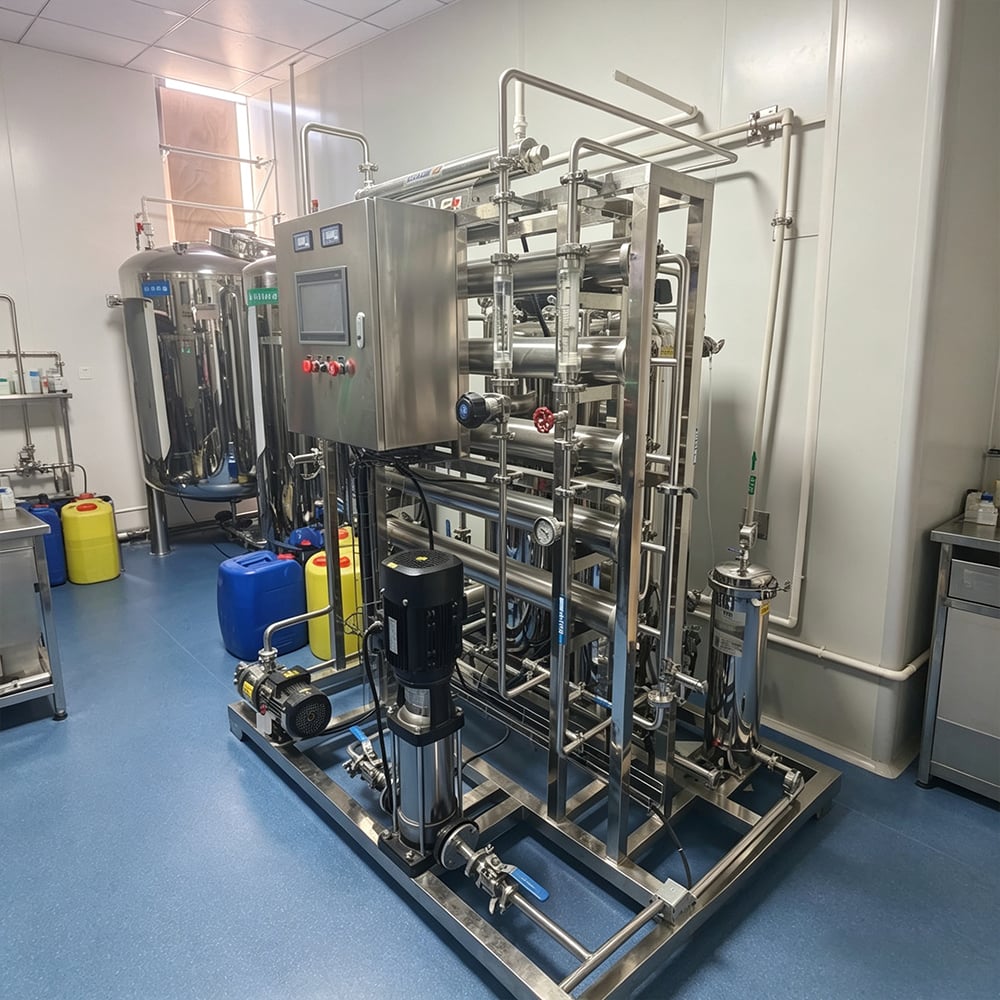
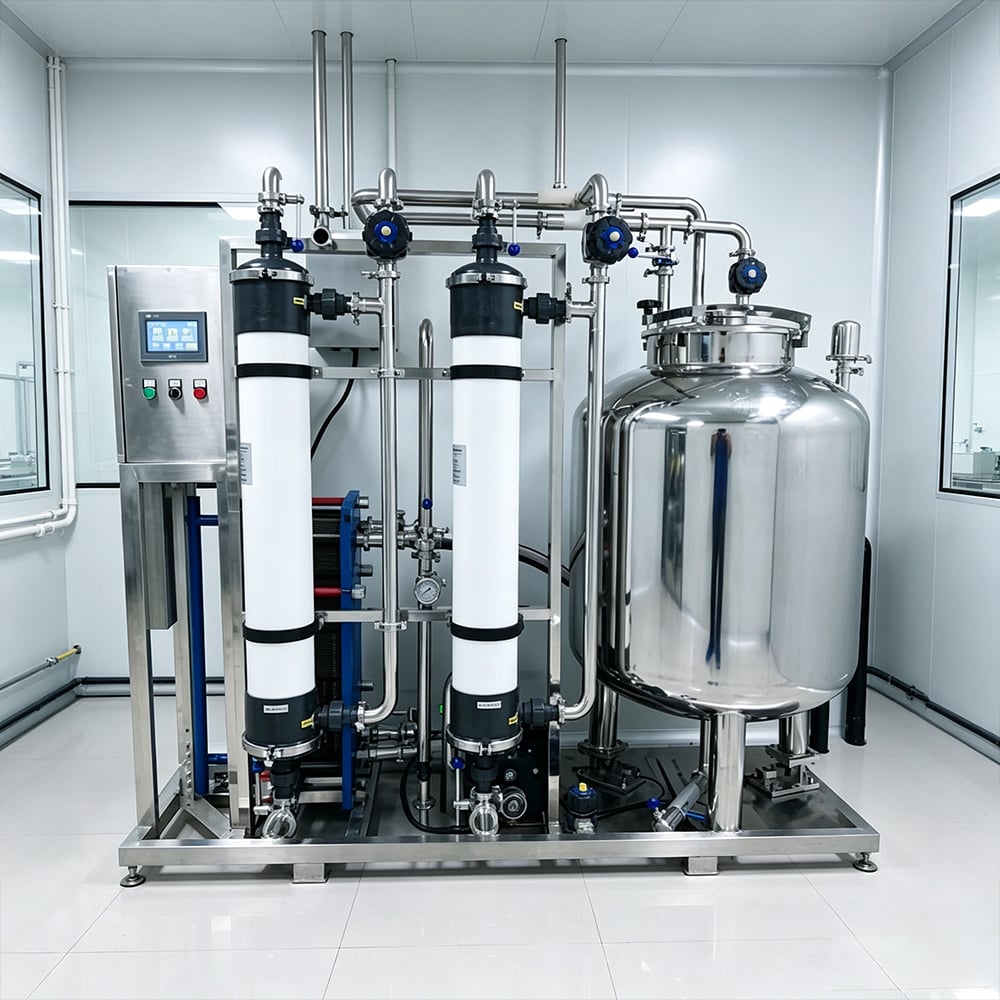
Laboratory Layout & Design
Seamlessly integrating water circulation and temperature control systems to deliver scientific, compliant, and high-efficiency customized space designs.

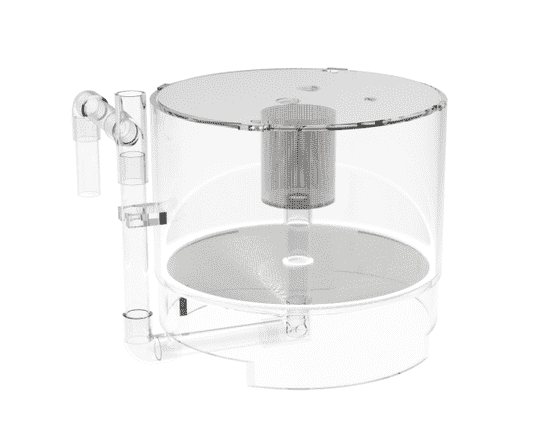
Zebrafish Larval Rearing Tank is an ISO 13485-certified high-performance larval aquaculture system ($\ge 5\text{L}$ capacity) engineered specifically for zebrafish larval culture from hatching through the juvenile stage.
Key engineering features include:
22° Conical Base: Enables passive, continuous waste evacuation to minimize manual handling and stress.
316L Stainless Steel Filter Mesh ($0.5\text{ mm}$ aperture): Retains post-hatch larvae securely while maintaining optimal water exchange.
Adjustable Micro-Current Inlet ($3\text{--}10\text{ L/h}$): Precisely adapts flow rates to match different developmental stages.
This system significantly improves larval survival rates and reduces experimental baseline variability, providing biomedical R&D and core facilities with a reliable, compliant, and standardized rearing solution.
When selecting a zebrafish rearing tank for larval culture, hardware specification directly affects survival outcomes and downstream data reproducibility. The Zebrafish Larval Rearing Tank is purpose-engineered for refined zebrafish larvae culture from hatching through the juvenile developmental window, addressing two persistent failure modes in larval aquaculture: fish escape or entrapment through filtration gaps, and inadequate waste removal that degrades water quality during multi-day culture runs.
At the level of drainage geometry, a 22° conical-base rearing tank differs measurably from a flat-bottom design in practice. Waste and uneaten feed migrate to a defined central zone in conical configurations, allowing the overflow drain to evacuate them continuously. Flat-bottom tanks accumulate debris at the periphery and require manual intervention that introduces handling stress at developmentally sensitive stages—a variable that propagates directly into downstream cardiac phenotyping noise.
| Parameter | Specification |
|---|---|
| Total Volume | ≥5 L |
| Outer Diameter | 240 ± 5 mm |
| Total Height | 210 ± 5 mm |
| Base Height | 67 ± 5 mm |
| Inner Cup Height | 145 ± 5 mm |
| Filter Mesh Diameter | 230 mm |
| Filter Aperture | 0.5 mm |
| Filter Pore Density | ≥70 holes/cm² |
| Bottom Slope | 22° conical |
| Drain Pipe Outer Diameter | Ø 20 mm |
| Adjustable Flow Rate | 3–10 L/h |
| Body Material | High-transparency PC |
| Filter Material | 316L stainless steel |
| Certification | ISO 13485 |
The 316L stainless steel filter base plate measures 230 mm in diameter with a 0.5 mm aperture and ≥70 holes/cm² pore density. This aperture retains post-hatch zebrafish larvae at all developmental stages while maintaining adequate water exchange. The 316L grade provides better corrosion resistance than standard 304 stainless under acidic or saline exposure cycles and is compatible with repeated autoclave sterilization. If your protocol involves chemical compound media with low pH, verify media composition against the filter specification before extended use.
The outer tank base slopes inward at 22° to direct feed particles and metabolic waste toward the central drain. Bottom geometry is the primary driver of dead-zone area in cylindrical rearing tanks—yet most equipment sourcing guides skip this variable entirely. In flat-bottom configurations with identical overflow drains, debris collects at the periphery and must be manually relocated. The 22° slope passively concentrates waste at the drainage point without active agitation that would stress early-stage larvae.
The independently adjustable inlet valve supports 3–10 L/h flow, enabling stage-matched micro-current calibration. Zebrafish rearing tank flow requirements differ significantly between 3 dpf and 7 dpf: early-stage larvae require minimal current to avoid stress-induced physiological responses, while older juveniles benefit from higher exchange rates for oxygenation and waste dilution. A fixed-flow system cannot serve both developmental windows without compromising either early-stage survival or late-stage water quality. This adjustable range directly supports zebrafish survival optimization across the full larval developmental window.
The outer body and inner supporting structure are formed from high-transparency polycarbonate, enabling visual inspection of larval behavior, feeding activity, and health status without opening or disturbing the tank. This characteristic supports routine daily monitoring and preliminary troubleshooting—for instance, distinguishing behavioral abnormalities from imaging setup issues before committing larvae to a full protocol run. The optical clarity eliminates tank transfer during observation, reducing handling stress at sensitive developmental stages.
The drain pipe (outer diameter Ø 20 mm) uses a communicating-vessel structure: the bottom inlet connects to the tank's lowest drainage point, and the top open outlet links directly to the rack gutter. This hydrostatic-pressure-driven design maintains a constant water level while continuously evacuating waste from below. Unlike surface-driven overflow weir designs, drainage does not depend on surface flow, reducing surface-film waste accumulation near larvae during early development stages.
For laboratories running zebrafish cardiovascular phenotyping, consistent rearing conditions from 1–14 dpf are a prerequisite for reproducible cardiac baseline data. Zebrafish assay results are sensitive to environmental variables including temperature, dissolved oxygen, conductivity, and handling stress—requiring careful standardization upstream of any imaging protocol. Labs that have experienced unexplained drift in cardiac baselines frequently identify water quality inconsistency at the rearing stage as a contributing factor. This larval aquaculture system addresses rearing-level environmental variables that propagate into downstream phenotyping noise through controlled inlet flow adjustment and passive waste evacuation.
For pharmaceutical R&D groups, GLP-adjacent core facilities, and contract research organizations, equipment certification is a procurement decision factor. This zebrafish rearing tank carries ISO 13485 certification, supporting inclusion in instrument qualification (IQ/OQ) documentation for regulated laboratory environments. Relevant quality standards for rearing equipment vary by jurisdiction; buyers in pharmaceutical research or regulated toxicology settings should verify which standard applies to their specific context before finalizing compliance documentation. The ISO 13485 designation confirms that the quality management system governing this product's manufacture meets recognized requirements for ISO 13485 lab equipment in research settings.
For core facilities managing multiple larval cohorts simultaneously from different genetic lines, treatment groups, or experimental programs, this tank integrates with standard zebrafish housing racks via its compatible drain design. Standardized outer dimensions (240 ± 5 mm) simplify rack space planning. The 316L stainless steel filter is autoclave-compatible, enabling sterile transfer protocols that reduce cross-contamination risk between larvae from different compound treatment groups or genetically distinct lines within the same facility.
Match hardware to your protocol requirements before purchasing:
This zebrafish rearing tank has been adopted by over 120 research laboratories globally. Documented outcomes include a 35% improvement in larval survival rate relative to standard flat-bottom rearing configurations under comparable conditions. For zebrafish survival optimization programs where larval attrition limits experimental throughput, the engineering decisions in this design—conical waste concentration, adjustable micro-current inlet, and 0.5 mm 316L mesh filtration—target the three most common hardware-level causes of preventable larval loss.
The Zebrafish Larval Rearing Tank combines a 316L stainless steel filter mesh, 22° conical bottom slope, adjustable 3–10 L/h water inlet, and communicating-vessel overflow drainage into a ≥5L cylindrical larval aquaculture system designed to maintain stable water quality across zebrafish developmental stages. ISO 13485 certification supports procurement in regulated research environments. For researchers whose experimental reproducibility depends on consistent larval rearing, the design choices embedded in this ISO 13485 lab equipment deliver measurable protocol-level outcomes across the full zebrafish survival optimization window.
Zebrafish Larval Rearing Tank is an ISO 13485-certified high-performance larval aquaculture system ($\ge 5\text{L}$ capacity) engineered specifically for zebrafish larval culture from hatching through the juvenile stage.
Key engineering features include:
22° Conical Base: Enables passive, continuous waste evacuation to minimize manual handling and stress.
316L Stainless Steel Filter Mesh ($0.5\text{ mm}$ aperture): Retains post-hatch larvae securely while maintaining optimal water exchange.
Adjustable Micro-Current Inlet ($3\text{--}10\text{ L/h}$): Precisely adapts flow rates to match different developmental stages.
This system significantly improves larval survival rates and reduces experimental baseline variability, providing biomedical R&D and core facilities with a reliable, compliant, and standardized rearing solution.
This is a title description that can briefly introduce the module.
We offer comprehensive, full-lifecycle services, including initial consultation, site planning, equipment selection, installation, hands-on training, application support, and long-term O&M.No matter your team's background, our standardized training and instant technical support guarantee equipment readiness and rapid onboarding. We handle the technicalities so you can focus on your core experiments.

Seamlessly integrating water circulation and temperature control systems to deliver scientific, compliant, and high-efficiency customized space designs.

Independent R&D and supply of over 10 categories of cutting-edge scientific instruments, spanning the three core pillars of zebrafish research: housing, manipulation, and analysis. Our portfolio includes digital smart housing systems, high-throughput 2D/3D behavioral analysis systems, panoramic in vivo imaging platforms, and forced swim systems. Powered by high-throughput, high-precision hardware and software, we comprehensively accelerate your scientific breakthroughs.

Our veteran engineering team handles standardized installation and hardware calibration on-site. We seamlessly connect your core digital networks—such as water recirculation, light control, and behavioral analysis—ensuring all experimental systems operate at peak performance from day one.

We provide a professional training system that encompasses standardized operations for smart scientific instruments and data analysis software, alongside scientific husbandry techniques for the entire zebrafish lifecycle, water quality environmental control, and daily maintenance protocols. This comprehensive curriculum empowers research teams to rapidly and independently conduct their experiments.
Dive into real-world laboratory use cases to explore how our zebrafish experimental equipment empowers life science research and industrial innovation, accelerating the translation and real-world impact of your scientific breakthroughs.

Empowering universities and research institutes to optimize biomedical research workflows. We provide high-precision, high-efficiency experimental hardware and digital workflow support for deep explorations in developmental biology, genetics, and disease modeling.

Leveraging high-throughput behavioral analysis and imaging systems, we provide pharmaceutical companies and research institutions with efficient, early-stage drug efficacy and safety assessments, significantly shortening R&D cycles and reducing drug discovery costs.

Widely applied in modern water quality monitoring, environmental toxicology assessments, as well as the safety and efficacy evaluation of food, cosmetics, and nutraceuticals, delivering smart digital testing solutions that comply with standardized protocols.
