 EN
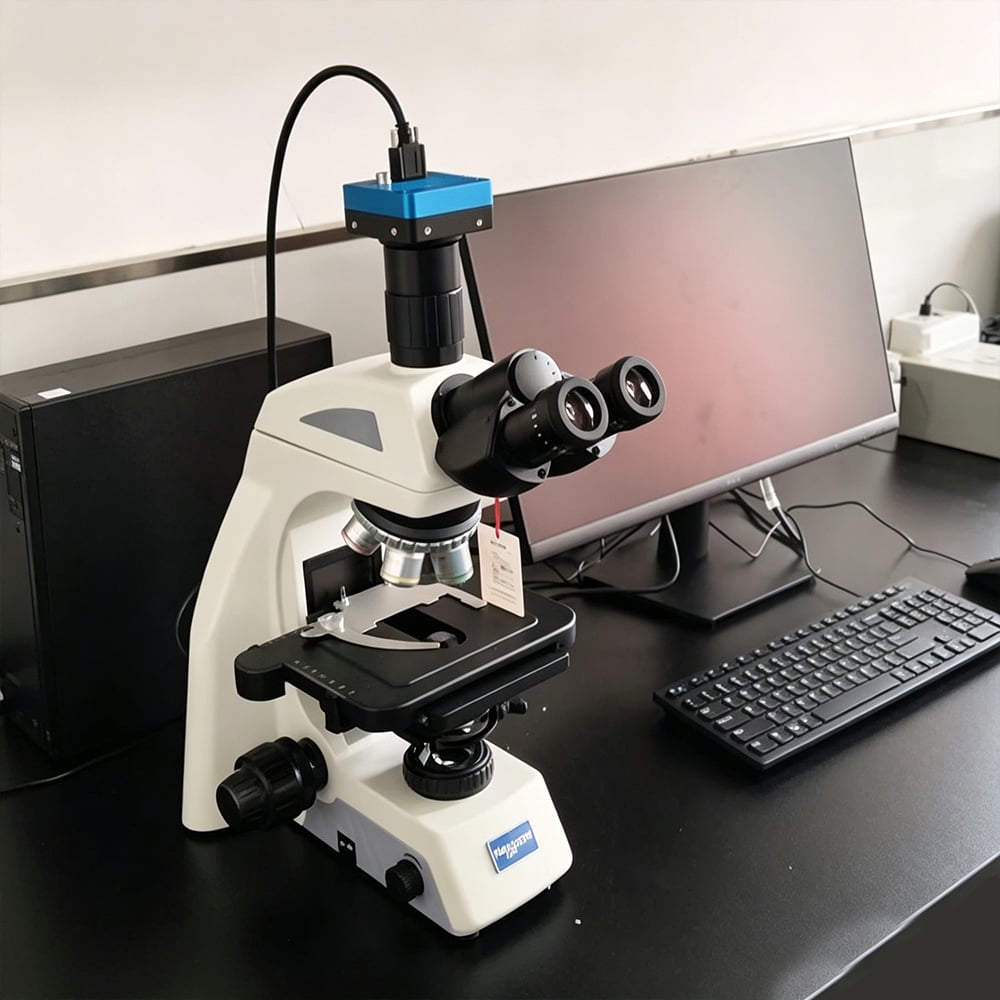
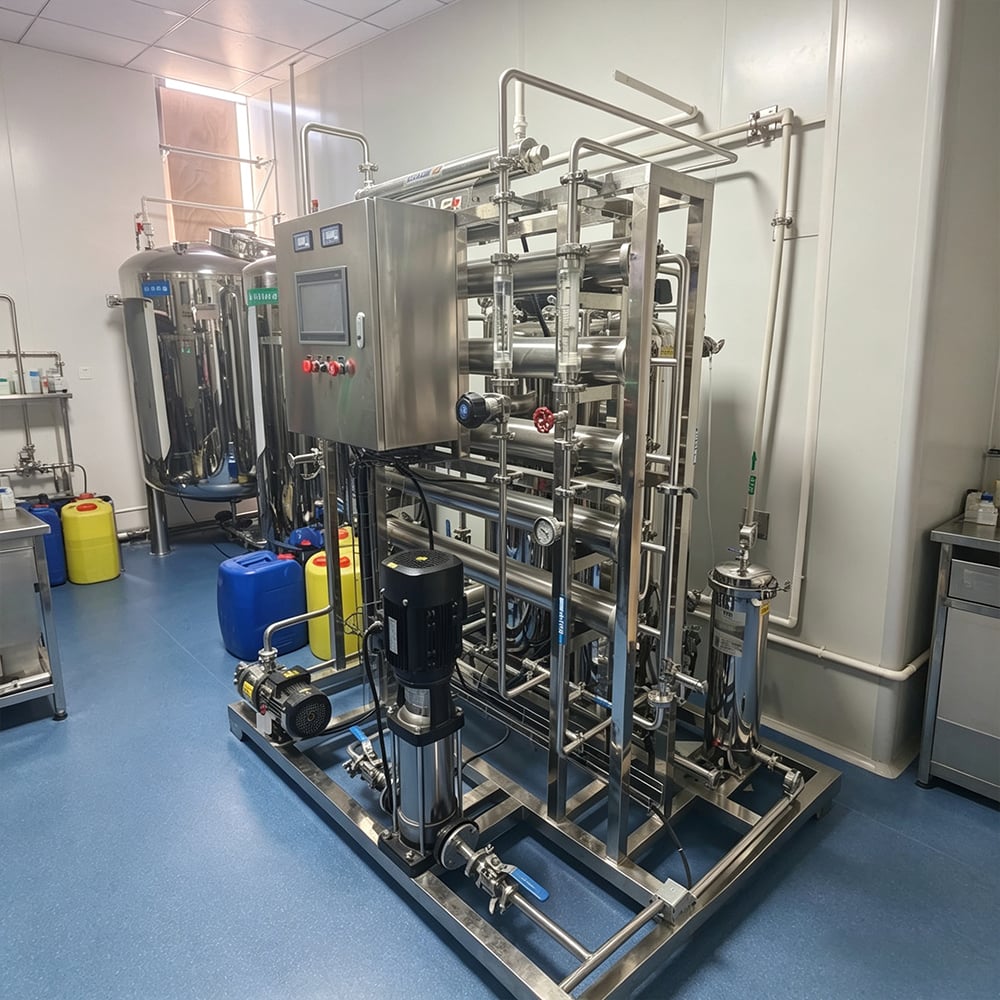
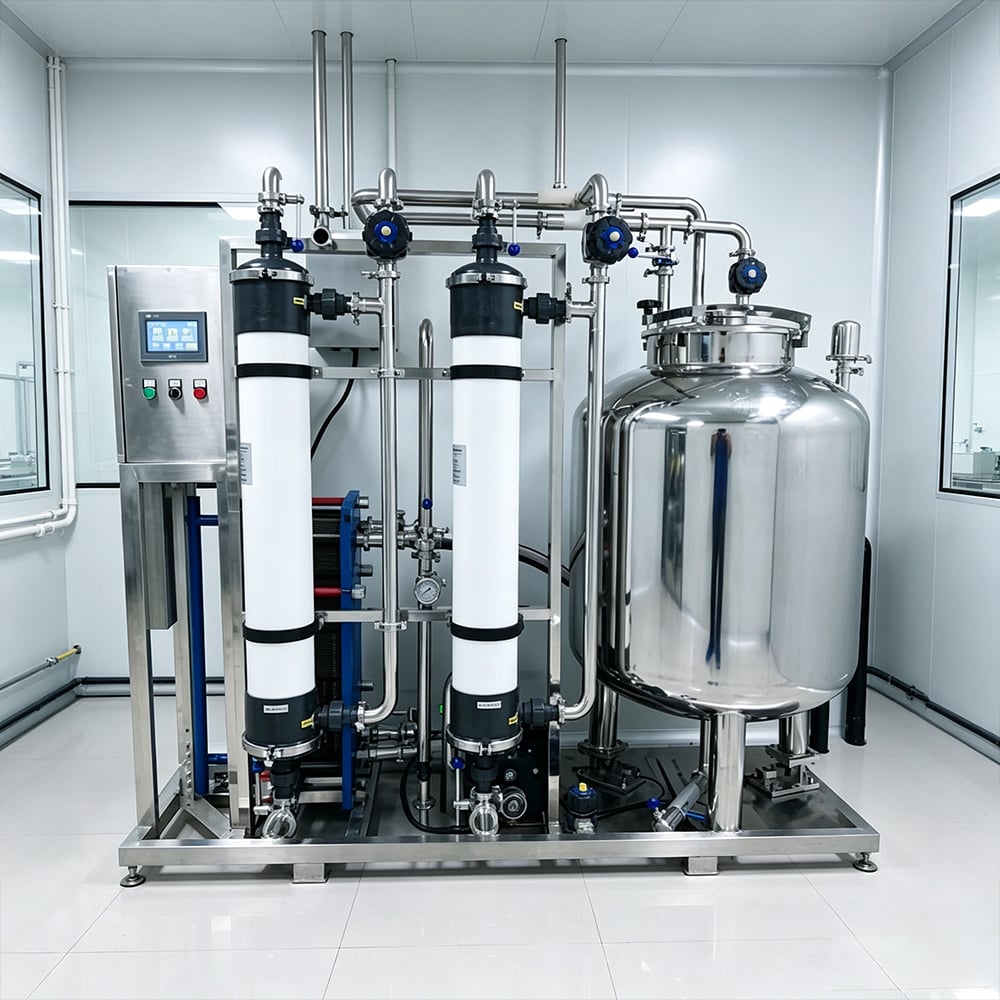
Laboratory Layout & Design
Seamlessly integrating water circulation and temperature control systems to deliver scientific, compliant, and high-efficiency customized space designs.

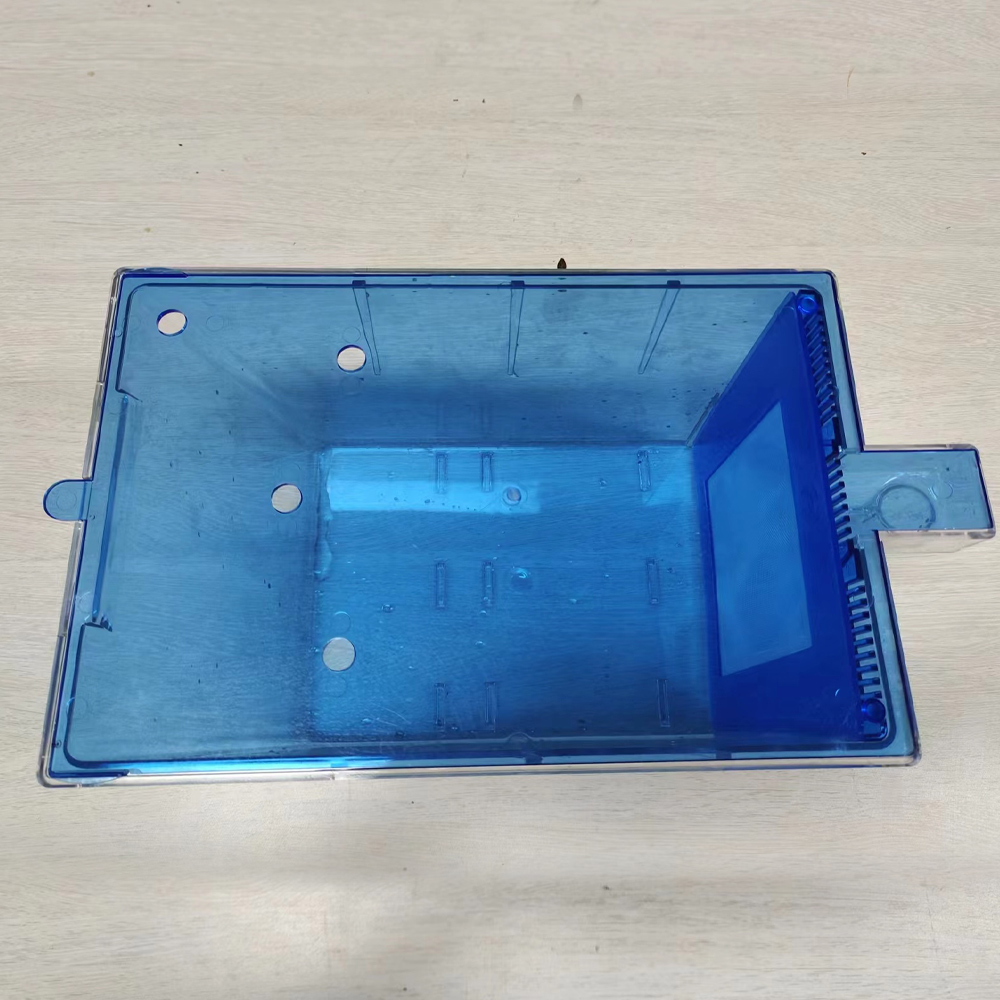
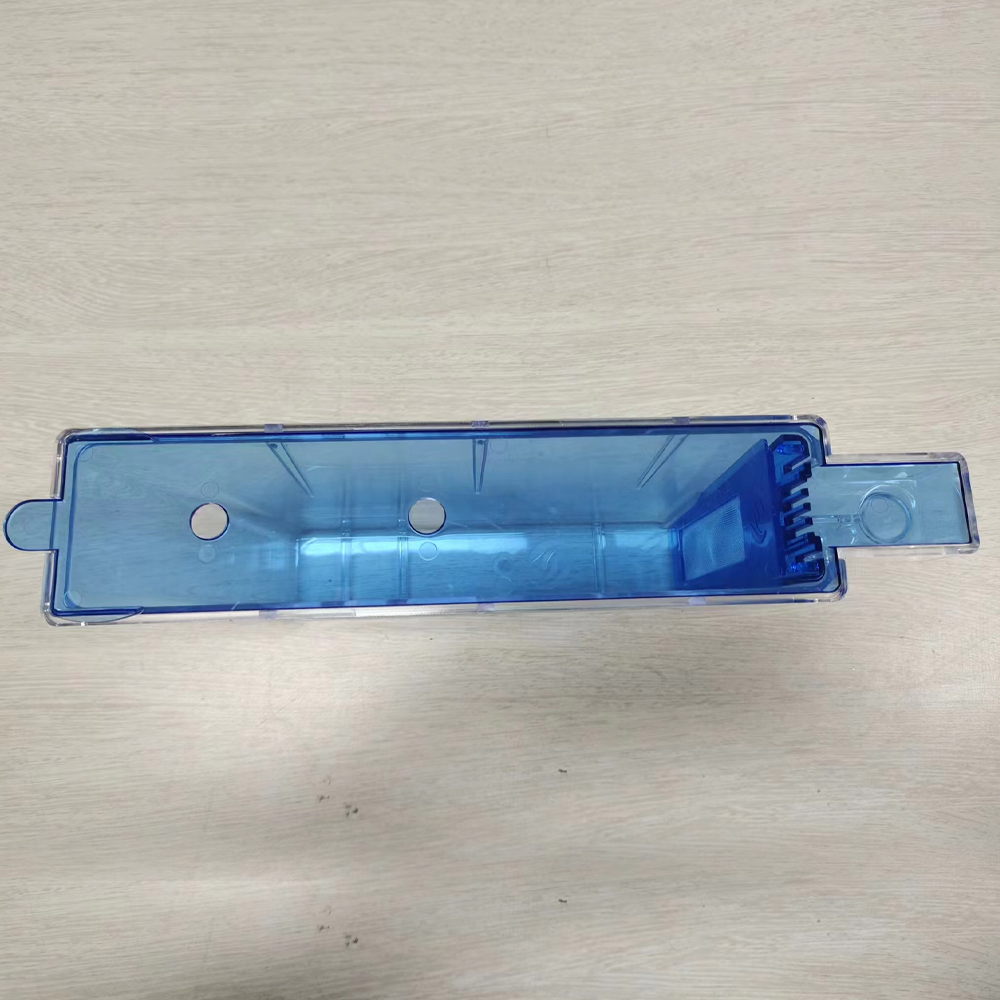
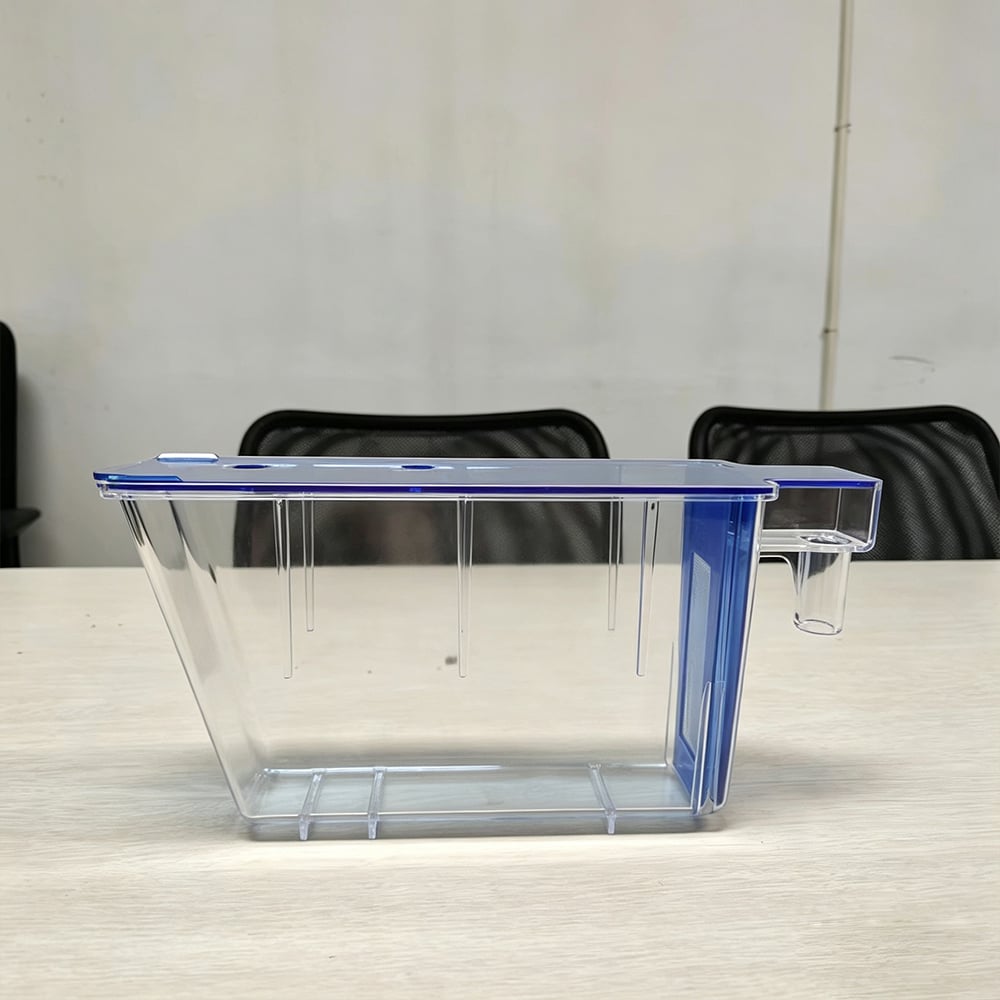
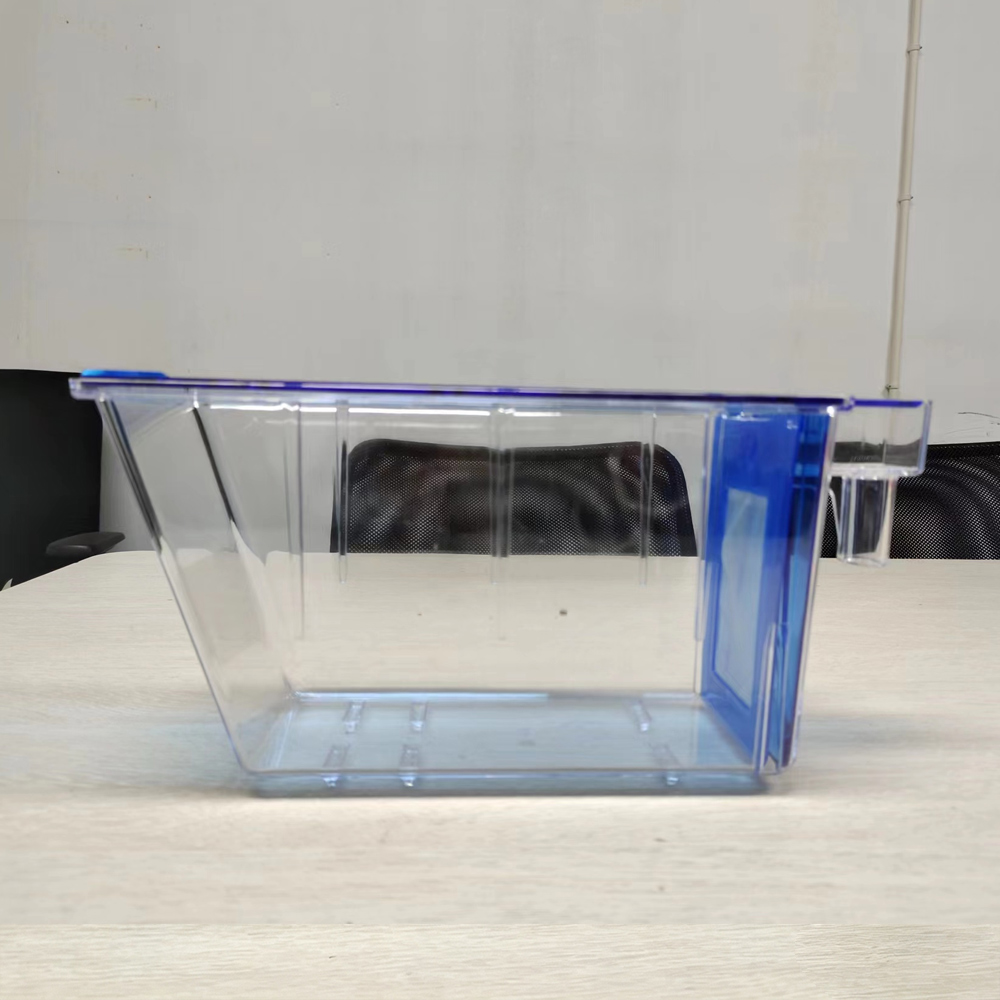
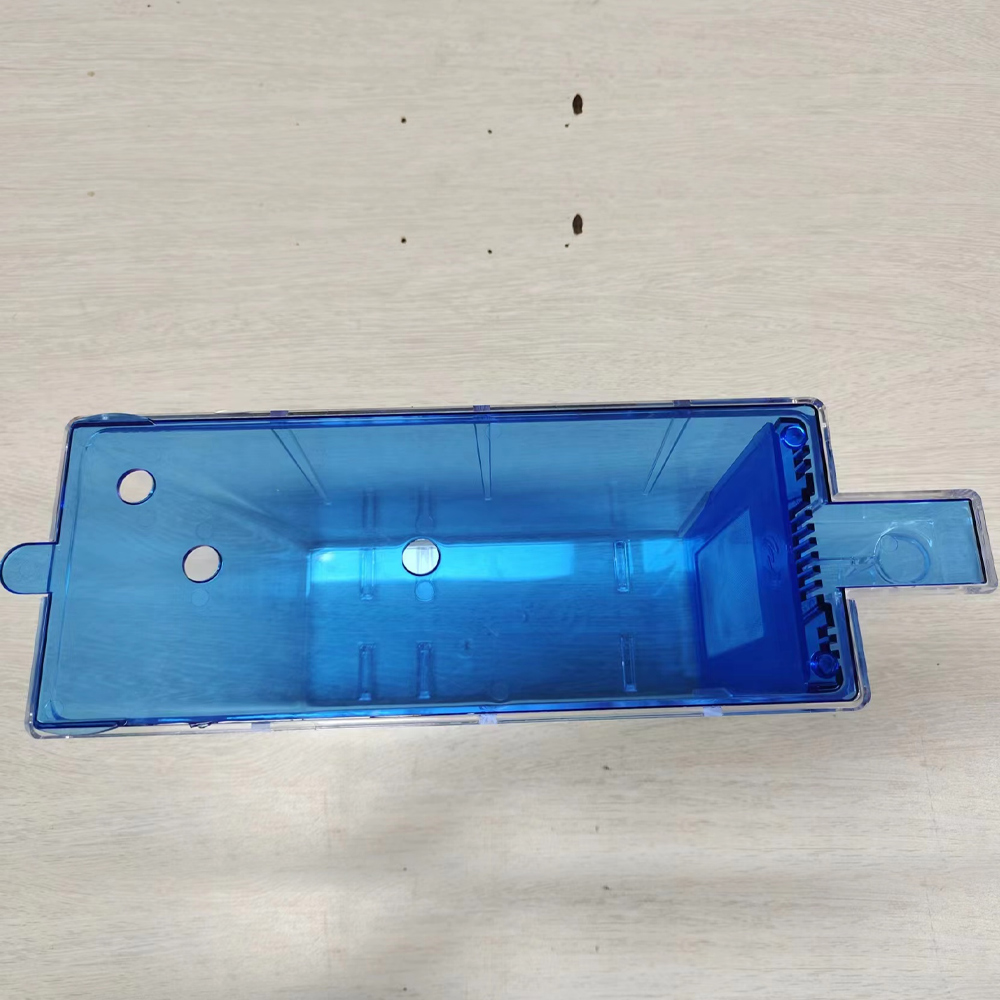
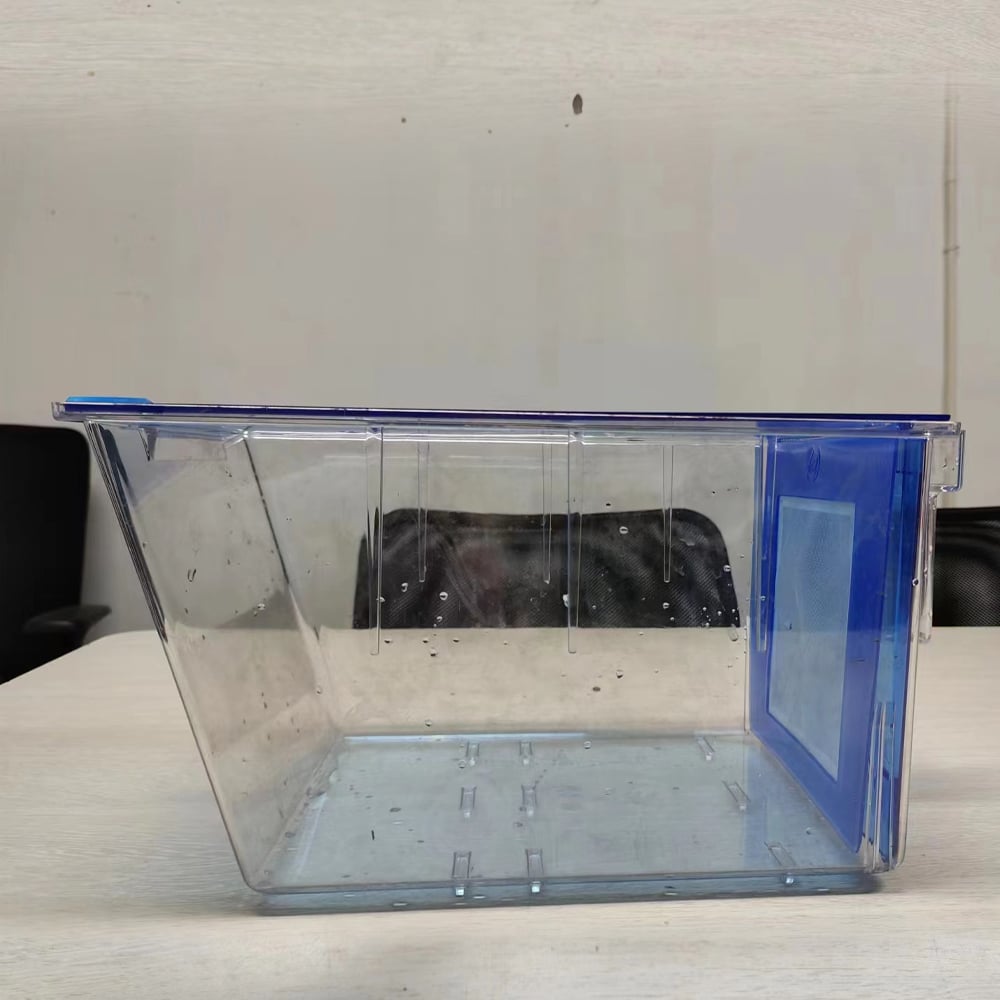
The zebrafish housing tanks are injection-molded from high-quality, food-grade polycarbonate (PC), offering exceptional light transmittance, outstanding impact resistance, and excellent heat tolerance. They are fully autoclavable, ensuring both biosafety and crystal-clear visual observation.
Selecting the right zebrafish housing tank for an autoclavable recirculating aquaculture system is more consequential than most procurement checklists acknowledge. Housing tank choice affects water quality stability, biosafety compliance, and strain identity management—factors that compound over years of facility operation and often determine whether a genetic maintenance program stays on schedule or loses irreplaceable lines. This overview covers material properties, structural design, volume selection criteria, and primary application scenarios for a food-grade polycarbonate zebrafish housing tank available in 1.5L, 3.0L, and 10L configurations.
Injection-molded from food-grade polycarbonate (PC), these zebrafish housing tanks deliver exceptional optical clarity, impact resistance, and thermal tolerance. Full autoclave compatibility at 121°C enables steam sterilization cycles without yellowing, warping, or structural degradation—a requirement for any ISO 13485 lab aquarium environment where biosafety protocols govern tank lifecycle management. Most labs running zebrafish genetic maintenance programs find that material integrity across repeated sterilization cycles is one of the primary drivers of long-term equipment cost. Tanks that degrade under autoclave conditions become unusable for behavioral observation because compromised optical clarity introduces variability into image-based phenotype assessment that is difficult to detect until it has already propagated through a full experimental dataset.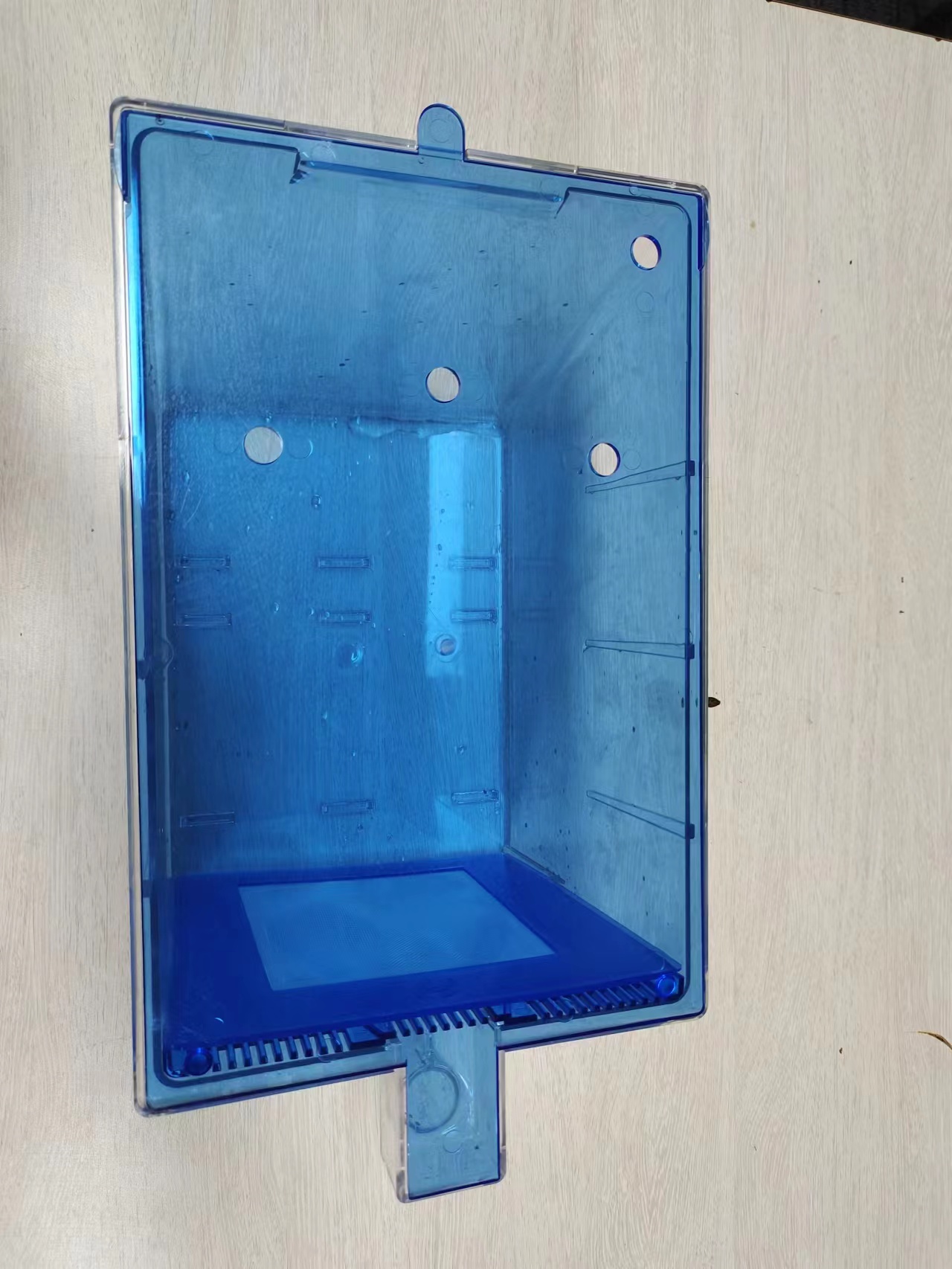
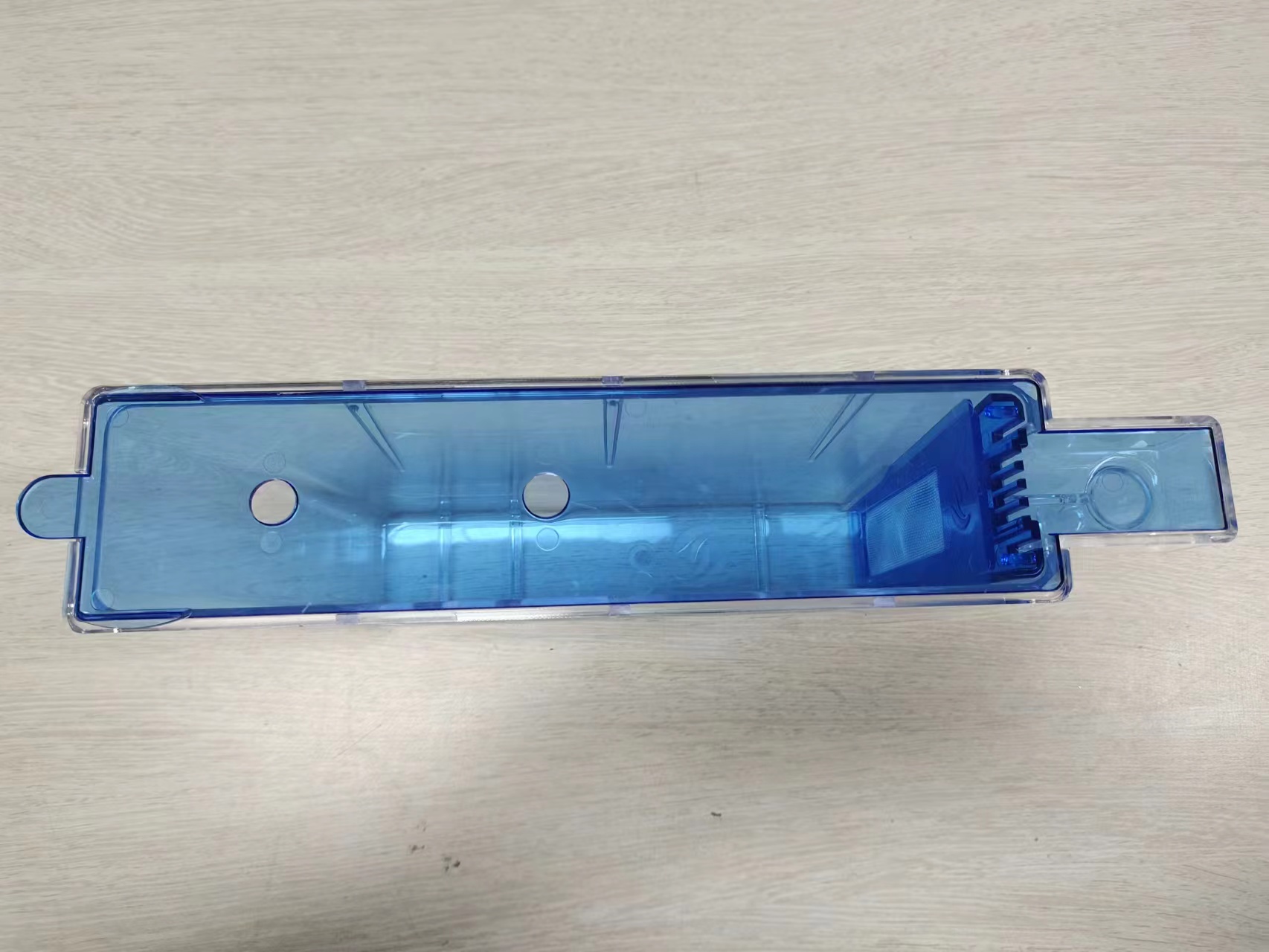
Smooth beveled bottom corners generate a micro-circulation current from incoming RAS water flow, continuously directing uneaten feed and biological waste toward the rear drainage outlet. This design reduces manual cleaning frequency and limits organic accumulation that would otherwise alter ammonia and nitrite baseline parameters between scheduled servicing intervals. The underlying mechanism here is current-driven waste displacement rather than gravity settling, which is why cleaner baseline water parameters usually follow without requiring increased water exchange rates that would stress the fish population.
An overflow baffle fitted with fine anti-escape mesh maintains constant water level while preventing fish from exiting during water exchange. This is especially relevant for high-value mutant lines and transgenic strains in a RAS tank for genetic maintenance, where a single escape event can represent an irreplaceable loss of line identity or months of invested breeding work. Across multiple independent rack installations, the overflow mesh design has consistently proven lower-maintenance than lid-clip mechanisms requiring manual operation during every exchange.
Full autoclave compatibility meets the sterilization requirements of an ISO 13485 lab aquarium environment. Food-grade PC resists repeated thermal cycling without leaching, discoloration, or dimensional change, making it suitable for integration into sterilization-tracked workflows. Relevant compliance standards exist in this area; buyers should verify the current applicable standard for their jurisdiction and product category when preparing regulated facility procurement documentation.
External side rails allow tool-free slide-in mounting onto standard zebrafish rack systems. Front-mounted clear label slots accept ID cards tracking strain identity, genotype, responsible researcher, and entry date—information that is essential for high-throughput strain preservation programs where dozens to hundreds of lines must be traceable throughout the facility lifecycle. In my experience, label slot standardization is consistently undervalued in initial procurement decisions, but inconsistent labeling formats are usually the root cause of the most preventable and costly strain management errors.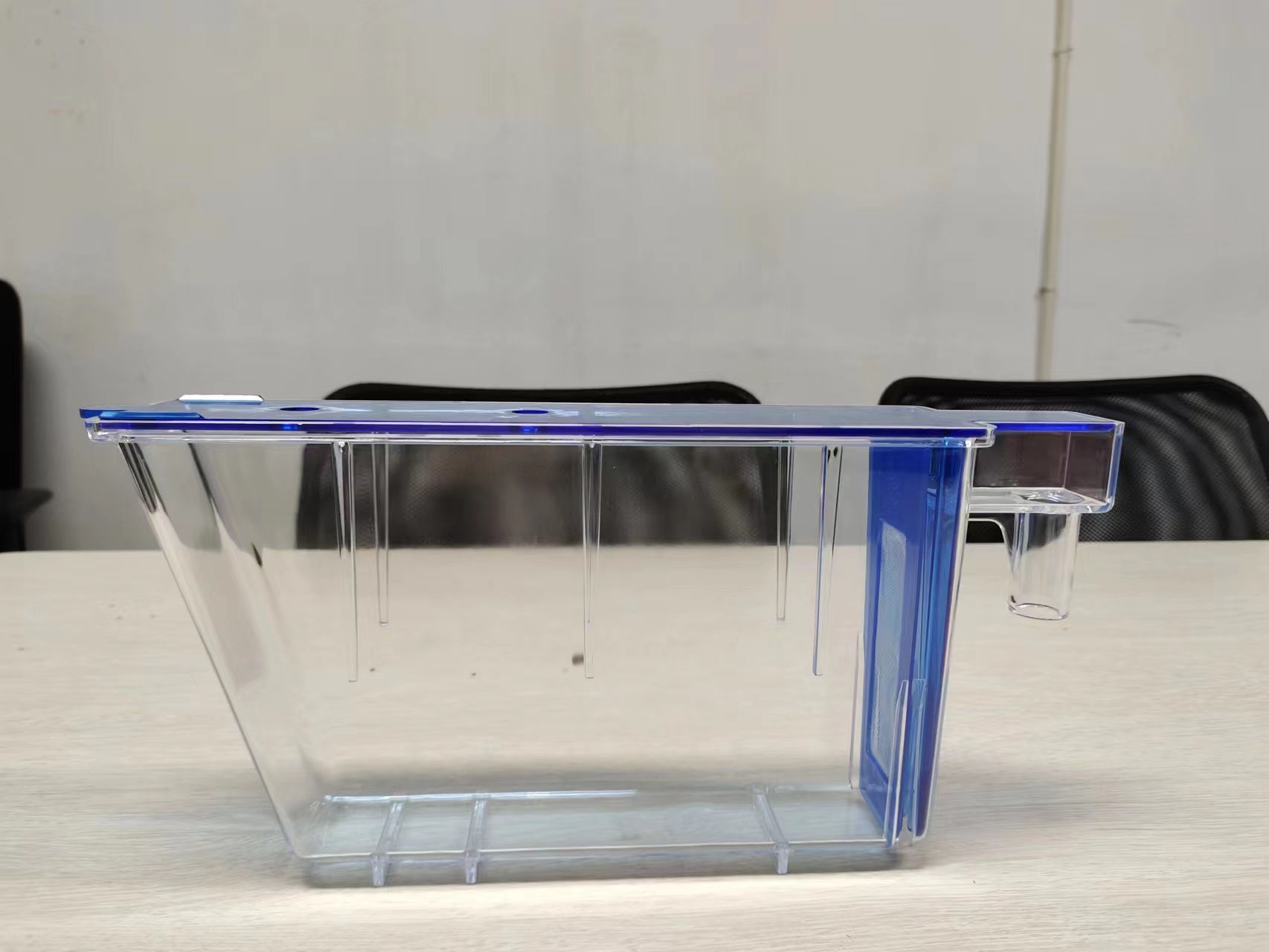
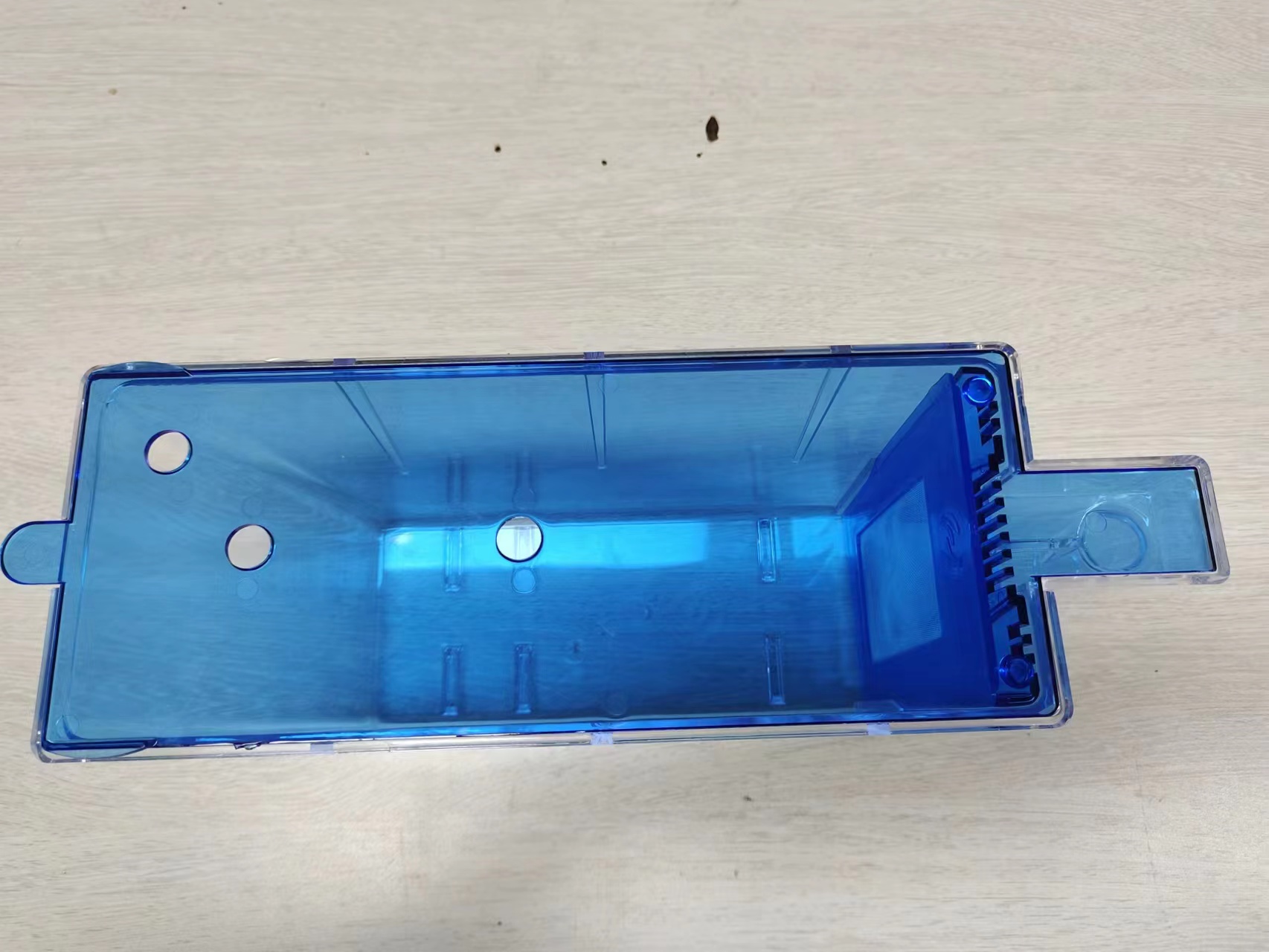
The correct tank volume depends on stocking density requirements, the biological status of the fish being housed, and available rack space. The following framework maps use case to appropriate tank size rather than defaulting to a single format across all applications.
| Tank Volume | Stocking Density | Primary Applications | Key Selection Criterion |
|---|---|---|---|
| 1.5L Micro / Strain-Preservation | 3–5 adult fish (or individual isolation) | Mutant line screening; post-operative recovery; quarantine; nursery rearing | Minimal footprint; maximum strain slots per rack unit |
| 3.0L Standard / General-Purpose | 10–15 adult fish | Wild-type and transgenic maintenance; colony breeding; drug screening; phenotypic assays | Optimal balance of water volume and swimming space; benchmark size across most research labs |
| 10L High-Capacity / Mass-Rearing | 30–50 adult fish (or large juvenile batches) | Large baseline populations; high-throughput stock holding; larval mass-rearing through juvenile stage | Exceptional water stability; reduces crowding stress at high population densities |
The 1.5L micro tank is appropriate when strain identity—not population size—is the primary management variable. Most labs maintaining libraries of mutant lines, CRISPR-edited cardiac disease models, or transgenic reporter lines benefit from the 1.5L format because it allows significantly more unique strain identities per rack than equivalent space in 3.0L, which is the arithmetic that makes large-scale high-throughput strain preservation programs operationally feasible across multi-rack facilities.
The 3.0L standard tank is the most widely utilized benchmark in zebrafish research labs. When isolation stress-related baseline parameter shifts exceed the effect size being measured—more common than published protocols usually acknowledge—moving from 1.5L to 3.0L housing reduces confounding variability and provides the water volume stability that supports long-term colony maintenance and behavioral phenotyping workflows.
The 10L high-capacity tank addresses use cases where maintaining large populations of a single line is the primary constraint. Facilities running autoclavable recirculating aquaculture systems for high-throughput production lines often find that the 10L format reduces handling frequency and minimizes tank transfers during larval development compared to an equivalent fish load distributed across multiple smaller tanks.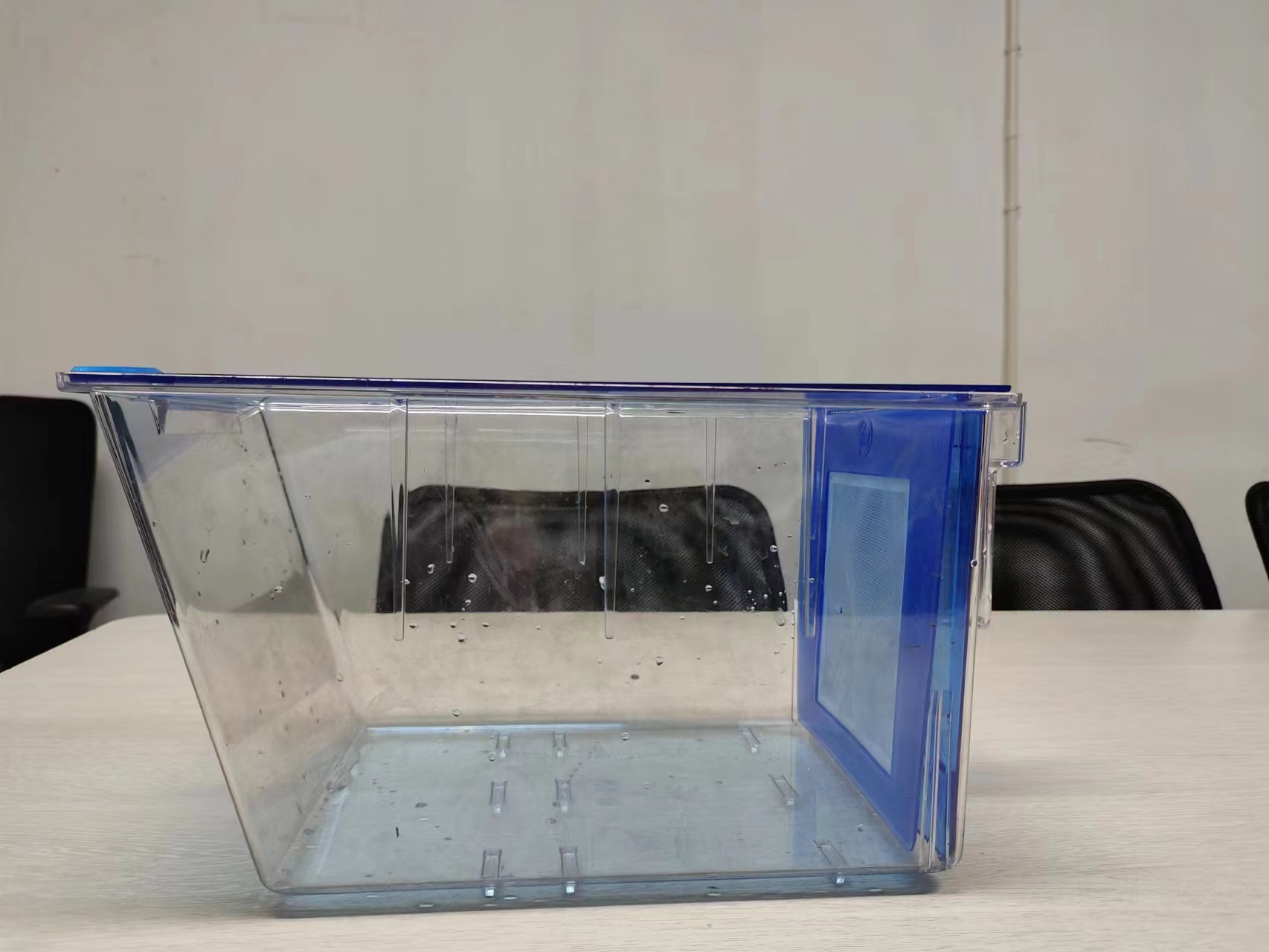
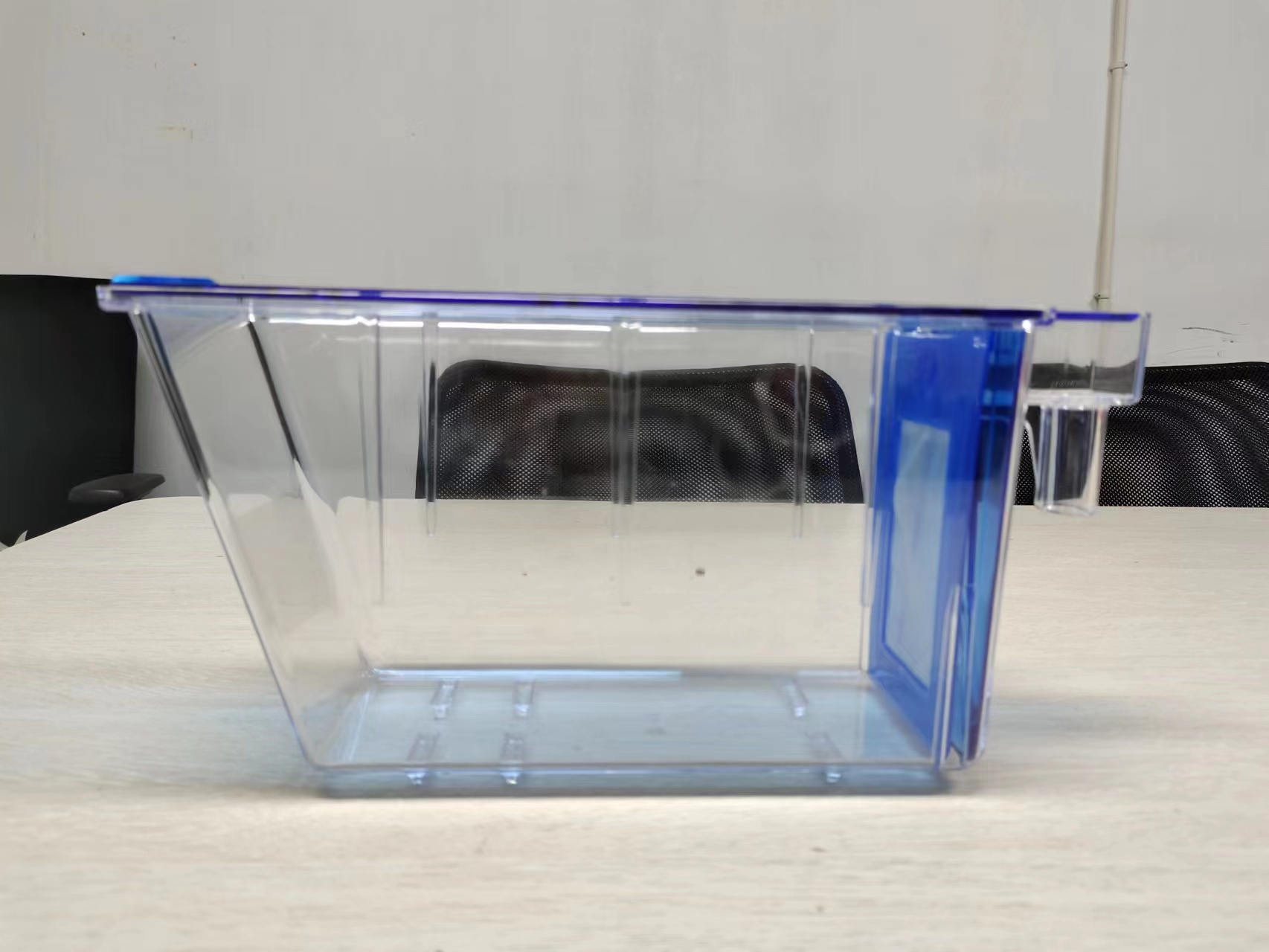
For labs operating a RAS tank for genetic maintenance of multiple zebrafish lines—wild-type, mutant, and transgenic—housing consistency is a prerequisite for long-term colony health. We assumed a facility's line contamination audit problem originated in UV sterilization performance, but after a thorough review, the issue was in the tank labeling protocol the whole time: inconsistent label card formats were allowing misidentification during rack transfers. The standardized physical label slot system directly addresses that class of error at the hardware level before software-level tracking is even invoked.
Laboratories conducting compound screening in GLP-adjacent workflows and ISO 13485 lab aquarium environments require housing equipment with documented material safety, traceable sterilization history, and consistent performance across repeated use cycles. Food-grade PC with verified biocompatibility provides the material documentation baseline that pharmaceutical R&D procurement teams require—particularly when housing fish for high-throughput strain preservation supporting compound library maintenance and cardiovascular toxicity assessment programs.
Housing tanks are often treated as commodity items—a position that reverses after the first strain loss event or contamination incident traceable to tank design failure. Across repeated experiments with zebrafish maintained in standardized RAS housing, consistent water quality parameters supported by the self-cleaning hydrodynamic design reduce one controllable source of environmental variability from the confounders labs must actively manage. The zebrafish field's rich genetic toolkit—including CRISPR-edited cardiac disease models and transgenic reporter lines—is entirely contingent on housing infrastructure that maintains line identity and biosafety separation over years of facility operation. A zebrafish housing tank that fails under autoclave cycles or allows label misidentification is a systematic data quality risk that compounds silently over time.
This zebrafish housing tank integrates into autoclavable recirculating aquaculture system environments where biosafety, water quality consistency, and strain identity management are primary operational requirements. The 1.5L, 3.0L, and 10L formats cover high-throughput strain preservation, general colony maintenance, and mass rearing—most facilities require a combination of all three. For ISO 13485 lab aquarium or pharmaceutical quality-adjacent settings, the food-grade PC material and full autoclave compatibility provide the material safety baseline required for compliant procurement. Contact us to discuss configuration options appropriate to your rack system, stocking density targets, and sterilization protocol.
The zebrafish housing tanks are injection-molded from high-quality, food-grade polycarbonate (PC), offering exceptional light transmittance, outstanding impact resistance, and excellent heat tolerance. They are fully autoclavable, ensuring both biosafety and crystal-clear visual observation.
This is a title description that can briefly introduce the module.
We offer comprehensive, full-lifecycle services, including initial consultation, site planning, equipment selection, installation, hands-on training, application support, and long-term O&M.No matter your team's background, our standardized training and instant technical support guarantee equipment readiness and rapid onboarding. We handle the technicalities so you can focus on your core experiments.

Seamlessly integrating water circulation and temperature control systems to deliver scientific, compliant, and high-efficiency customized space designs.

Independent R&D and supply of over 10 categories of cutting-edge scientific instruments, spanning the three core pillars of zebrafish research: housing, manipulation, and analysis. Our portfolio includes digital smart housing systems, high-throughput 2D/3D behavioral analysis systems, panoramic in vivo imaging platforms, and forced swim systems. Powered by high-throughput, high-precision hardware and software, we comprehensively accelerate your scientific breakthroughs.

Our veteran engineering team handles standardized installation and hardware calibration on-site. We seamlessly connect your core digital networks—such as water recirculation, light control, and behavioral analysis—ensuring all experimental systems operate at peak performance from day one.

We provide a professional training system that encompasses standardized operations for smart scientific instruments and data analysis software, alongside scientific husbandry techniques for the entire zebrafish lifecycle, water quality environmental control, and daily maintenance protocols. This comprehensive curriculum empowers research teams to rapidly and independently conduct their experiments.
Dive into real-world laboratory use cases to explore how our zebrafish experimental equipment empowers life science research and industrial innovation, accelerating the translation and real-world impact of your scientific breakthroughs.

Empowering universities and research institutes to optimize biomedical research workflows. We provide high-precision, high-efficiency experimental hardware and digital workflow support for deep explorations in developmental biology, genetics, and disease modeling.

Leveraging high-throughput behavioral analysis and imaging systems, we provide pharmaceutical companies and research institutions with efficient, early-stage drug efficacy and safety assessments, significantly shortening R&D cycles and reducing drug discovery costs.
Widely applied in modern water quality monitoring, environmental toxicology assessments, as well as the safety and efficacy evaluation of food, cosmetics, and nutraceuticals, delivering smart digital testing solutions that comply with standardized protocols.
