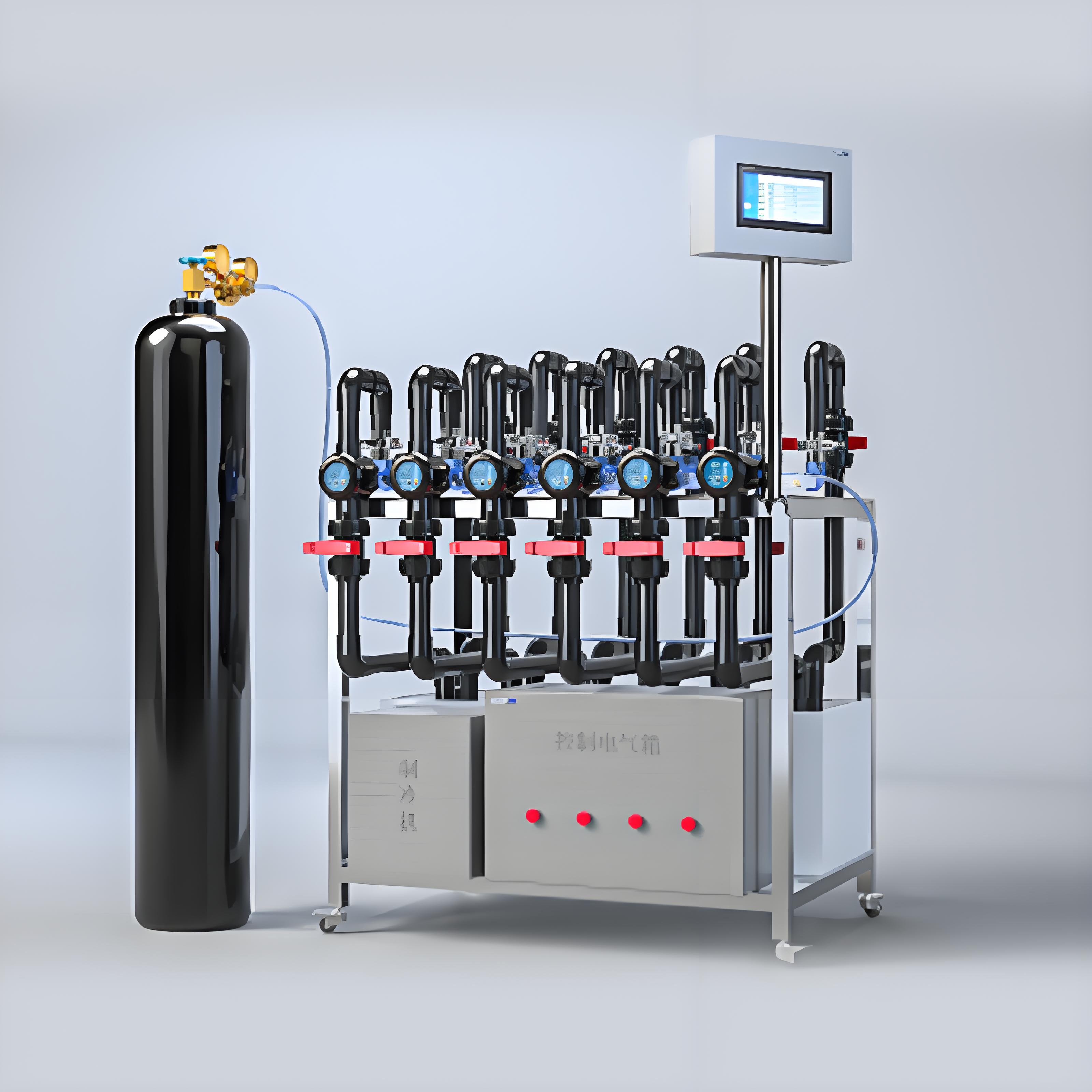
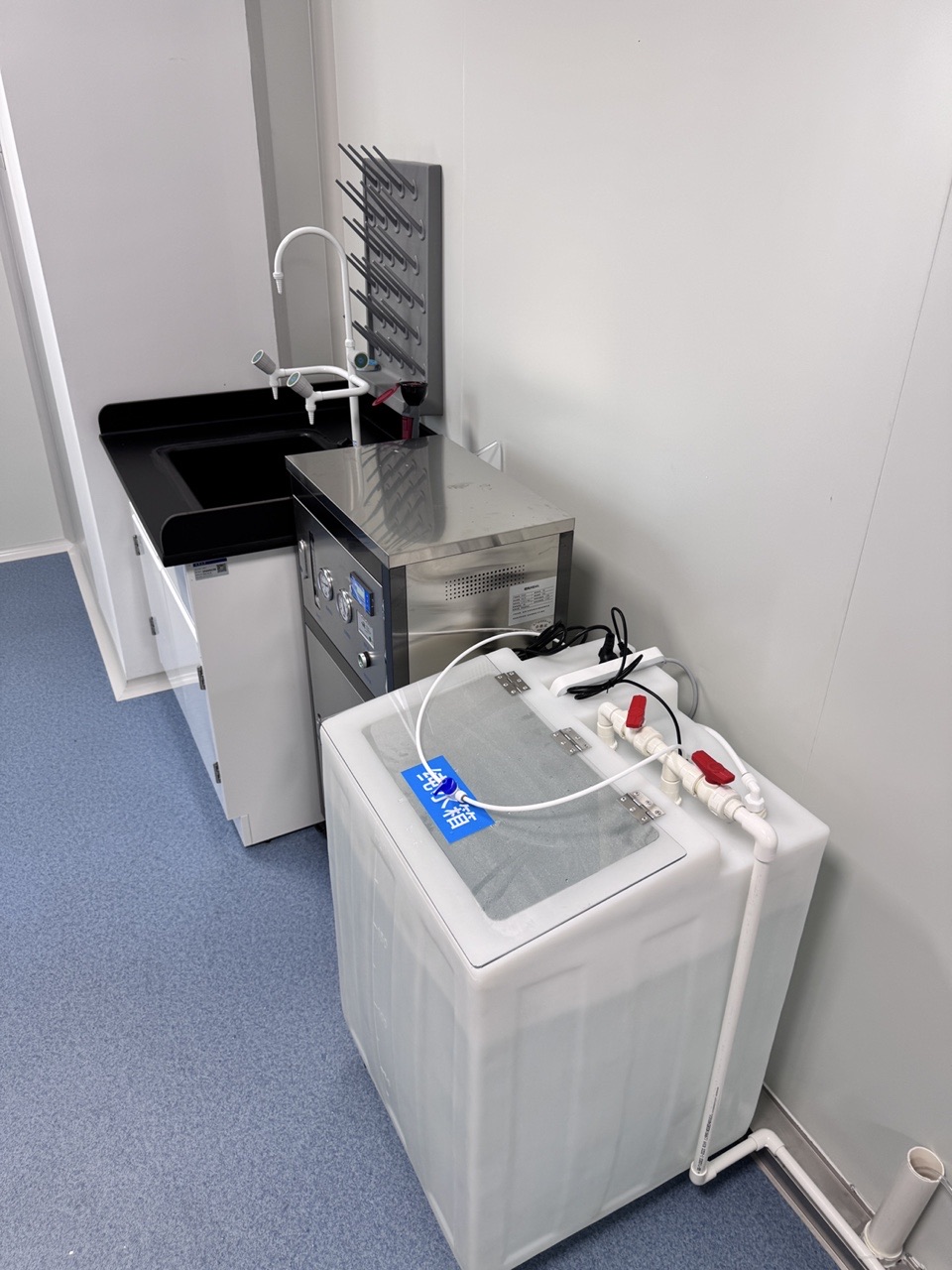
Begin With the Study Question
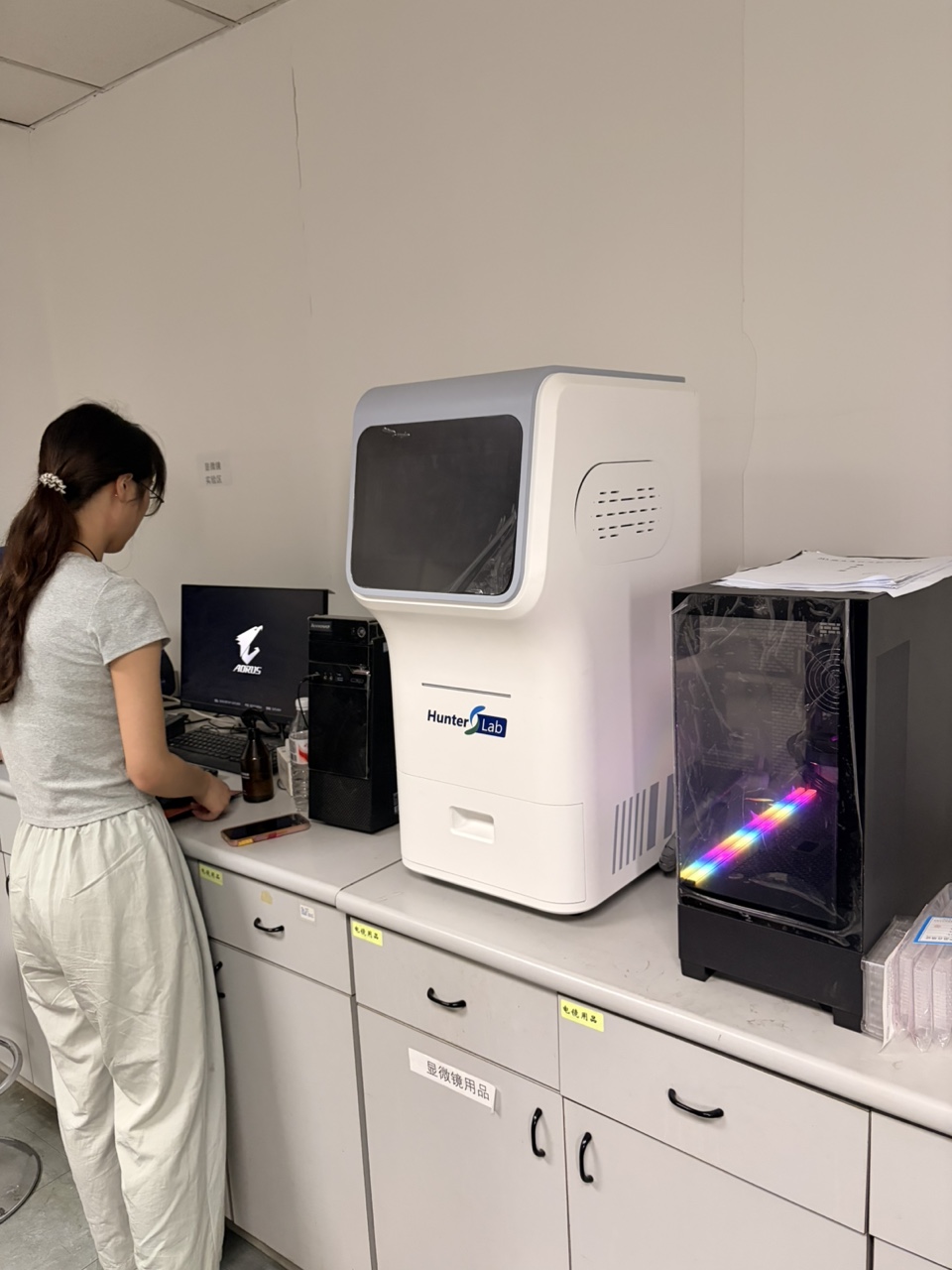
Choose zebrafish testing equipment from the study question backward. State what the protocol must observe or measure. It may be movement in a flat space, movement in a three-dimensional space, swimming at a set flow, or a physiology image sequence. This first step separates items that may look alike in a catalog but serve different questions. It also keeps a zebrafish testing equipment discussion tied to the real protocol.
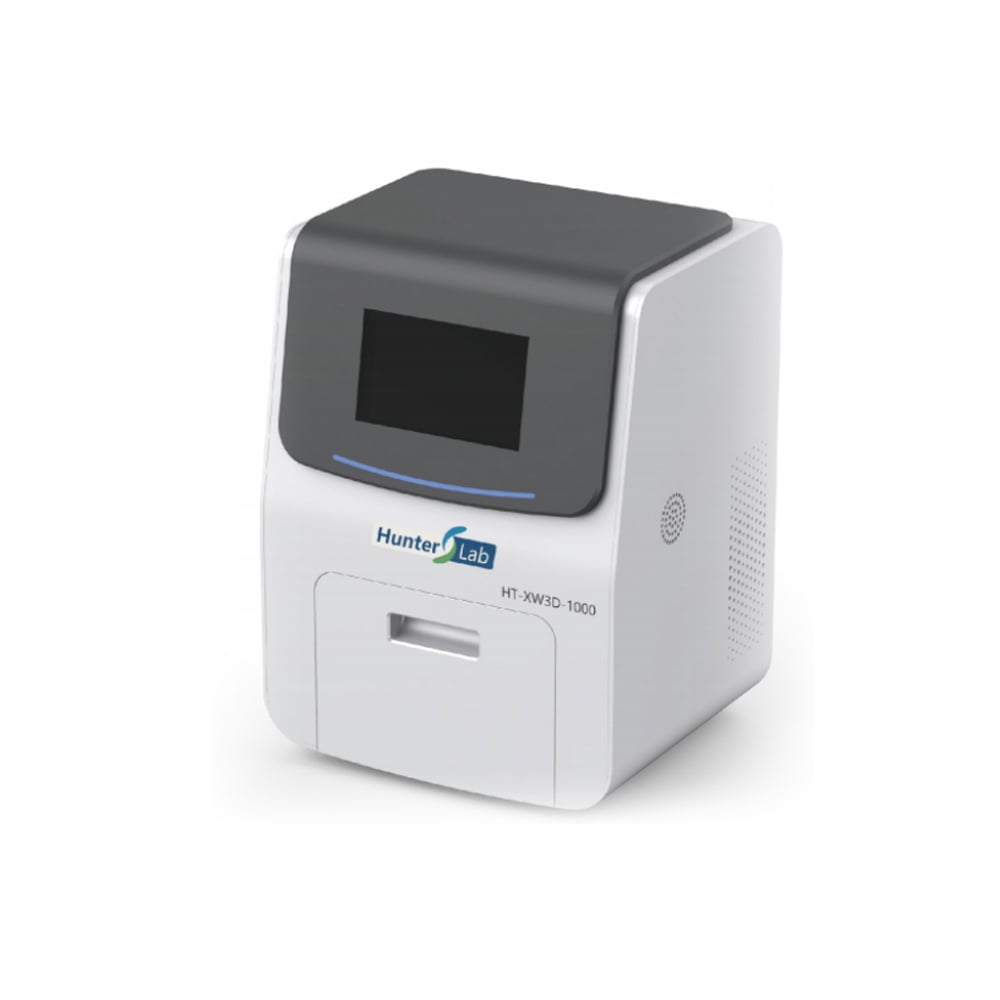
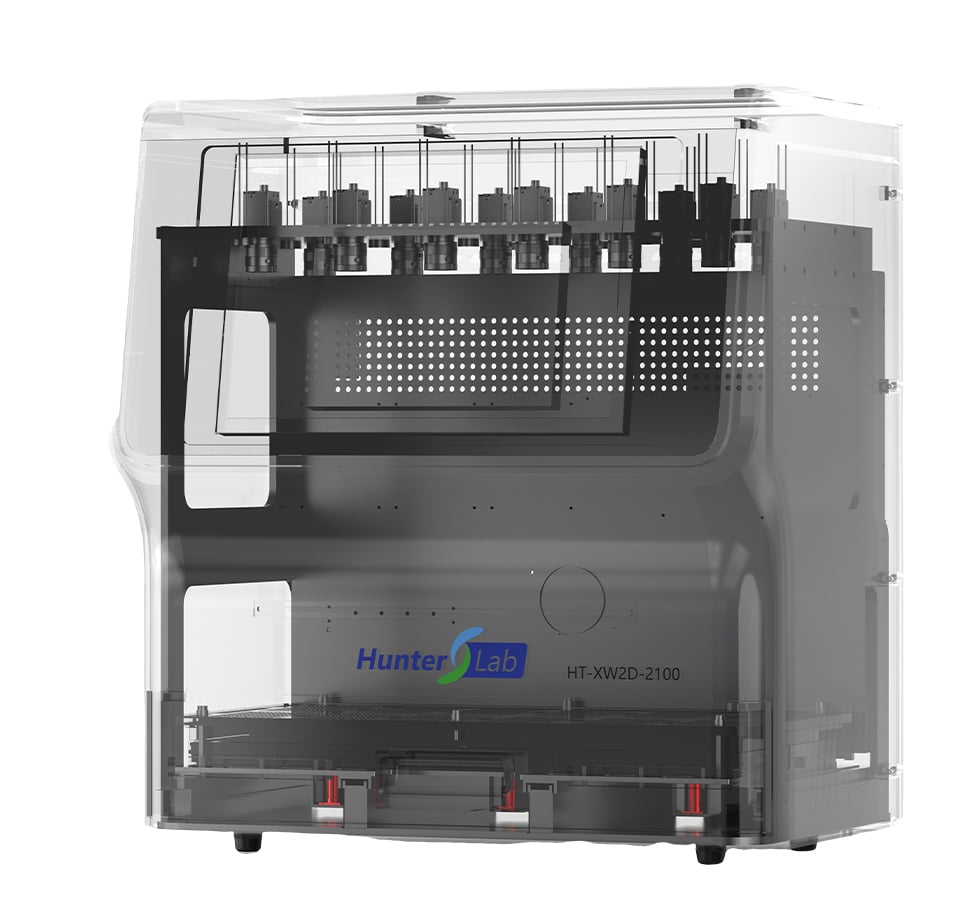
For behavior work, decide if the study needs position data, activity patterns, group comparison, or video review. The 2D item here is for a flat observation view. The 3D item is for X, Y, and Z coordinate tracking. These are different methods. Choose the data view that the study needs. Then ask about the matching zebrafish testing equipment setup.
Match Fish Stage and Test Format
Fish stage and vessel format matter when selecting zebrafish testing equipment. The behavioral product pages name larval and adult zebrafish. The 2D system lists 6-well, 24-well, and 96-well plates. It also lists selected maze setups. These facts can guide a supplier talk. They do not replace review of the protocol by the lab.
- State if the study uses larval fish, adult fish, or both.
- List the plate, chamber, tunnel, or other test format in the protocol.
- Say if the work needs one fish, a group, or parallel conditions.
- Ask about the sizes and accessories for the proposed setup.
For swim work, the product list includes a forced swimming instrument. Its product page describes separate swim tunnels and adjustable flow. Tell the supplier which study conditions matter. Ask for technical documents before selecting zebrafish testing equipment.
Plan the Test Environment
Zebrafish testing equipment is one part of a test workflow. List the conditions that the setup must record or manage. The 2D behavioral page lists light, vibration, water-temperature, and acoustic modules. A listed option may fit one protocol and not another. Do not assume each option is part of every setup.
Make a short list of required and optional functions. It can include the test format, stimulus type, number of groups, review needs, and lab utilities. This gives the buyer and supplier a shared basis for checking fit. It also helps compare a basic zebrafish testing equipment setup with options that are actually needed.
Define Data Review
Before buying zebrafish testing equipment, state how the team will review results. The 2D behavioral page lists trajectory maps, heatmaps, and event-driven video playback. The 3D behavioral page lists X, Y, and Z coordinates. Name the views that the team needs. Do not ask only for a general analysis system.
Ask how data are captured, reviewed, and exported for the next analysis step. Ask who will set up zones, trial timing, or other study settings. The research team remains responsible for controls, method checks, welfare, and scientific review. A supplier can explain zebrafish testing equipment functions. The supplier does not replace protocol approval or method checks.
Prepare a Focused Inquiry
When asking about zebrafish testing equipment, send a short workflow outline. Include the endpoint, fish stage, test vessel, number of conditions, desired data outputs, and site limits. For behavior work, say if you need 2D or 3D tracking. For swim work, state the planned test conditions. For physiology work, describe the measurement goal. This information helps the quote discussion stay focused on the proposed zebrafish testing equipment category.
Check the Proposed Setup
Ask the supplier to list the zebrafish testing equipment functions that are included and the functions that are optional. Check the proposed item against the written protocol. Check the test format, fish stage, data view, and site needs. A clear list makes it easier for the team to review the zebrafish testing equipment before a purchase choice.

 EN