
 EN
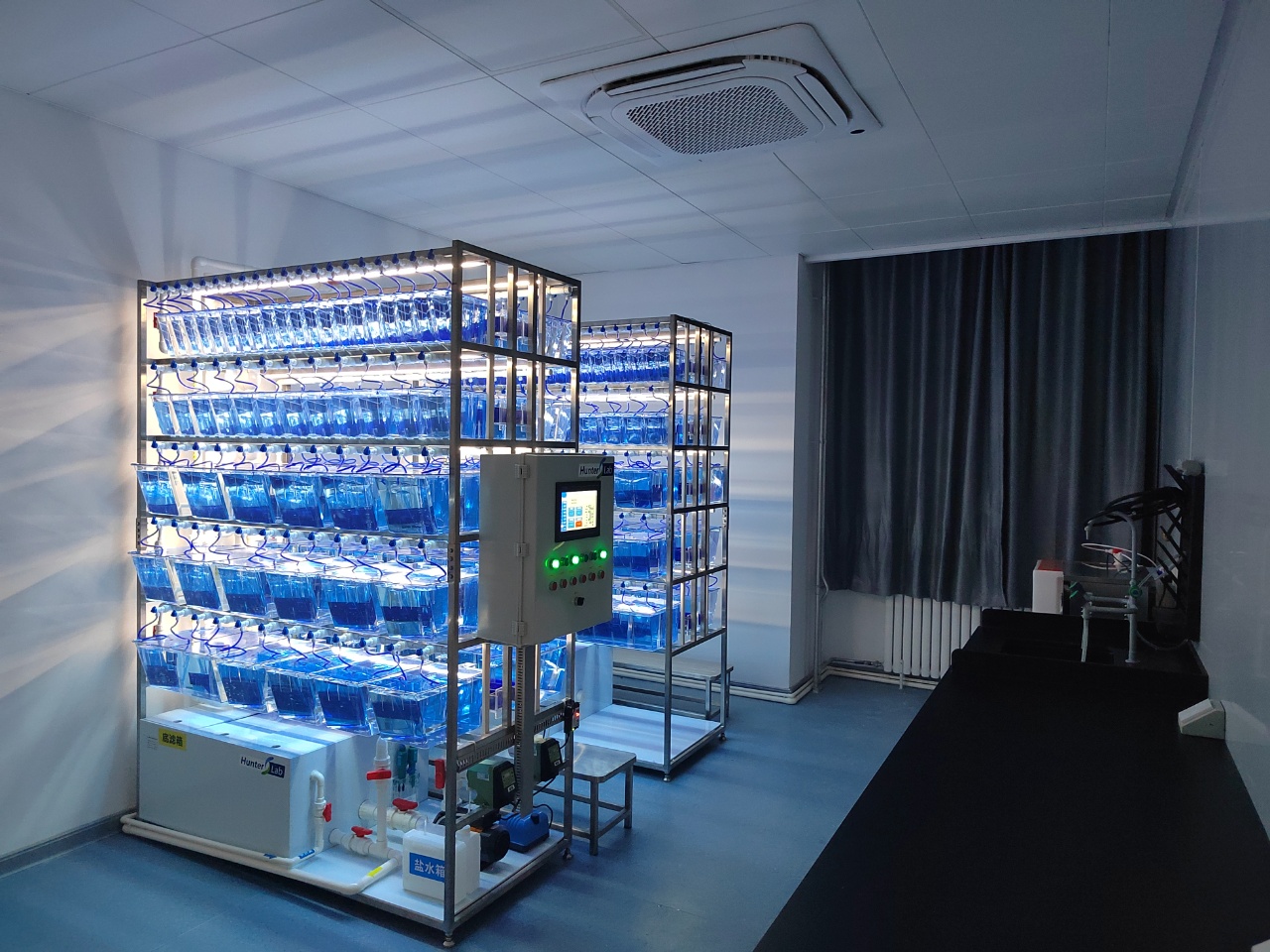
Transparent Tank Design Creates Better Visibility for Zebrafish Care
Health monitoring is one of the most important parts of successful zebrafish research management. Small changes in behavior, appearance, swimming patterns, or breeding performance can provide early signals about fish conditions. However, these changes are much harder to identify when observation is limited by traditional tank structures or unclear viewing conditions.
Zebrafish breeding systems with transparent tanks improve health monitoring by creating a clearer observation environment. Transparent tank designs allow researchers and facility operators to inspect fish activity, physical condition, and environmental interactions without unnecessary disturbance.
The advantage is not simply visual convenience. Better visibility supports earlier detection of potential issues, improves routine management decisions, and helps maintain more consistent breeding conditions. For facilities handling multiple breeding groups, observation quality becomes an important factor affecting daily operations.
How Transparent Tanks Support More Accurate Health Observation
Zebrafish are widely used in biological research because of their rapid development, genetic similarities with many human disease pathways, and suitability for controlled laboratory studies. However, reliable research outcomes depend heavily on maintaining stable animal conditions.
Transparent tanks provide several practical advantages:
- Easier observation of swimming behavior and activity changes.
- Improved visibility for checking physical development.
- Faster identification of unusual conditions.
- Better monitoring of breeding performance.
In traditional opaque or limited-view environments, operators may need to move fish or interrupt normal conditions to perform inspections. Transparent systems reduce the need for unnecessary handling, which can help minimize stress caused by frequent disturbance.
A clear observation environment also improves communication between team members. When different operators review the same breeding groups, consistent visibility helps reduce differences caused by subjective judgment.
The Engineering Principles Behind Better Monitoring Systems
A transparent tank is only one part of an effective zebrafish breeding system. The overall design needs to consider water circulation, cleaning access, lighting conditions, and operational safety.
Good system design balances several engineering requirements:
- Clear viewing areas without affecting fish comfort.
- Stable water flow to support healthy conditions.
- Practical access for maintenance procedures.
- Materials selected for long-term laboratory use.
The quality of observation depends on how these elements work together. A transparent tank with poor environmental control may not provide meaningful monitoring benefits. On the other hand, a well-integrated system can create a more reliable management environment.
The following comparison highlights differences between common approaches:
| Monitoring Factor | Traditional Limited-View Tanks | Transparent Tank Breeding Systems |
|---|---|---|
| Visual inspection | More dependent on opening or moving tanks | Direct observation through clear surfaces |
| Behavior monitoring | May require additional handling | Easier routine observation |
| Breeding assessment | Relies more on manual checking | Improved visibility of breeding activity |
| Daily management | More interruptions during inspection | Smoother monitoring workflow |
| Record consistency | Greater variation between operators | More standardized observation conditions |
The table represents general workflow differences. Actual results depend on facility design, operating procedures, and fish management practices.
Practical Experience Shows the Value of Observation Quality
During a laboratory improvement project at a biological research facility, technical staff reviewed breeding management procedures after operators reported difficulty identifying early changes in fish activity. The investigation showed that the challenge was not only related to animal care procedures, but also to limited visibility during routine checks.
After improving the observation environment with clearer tank structures and better workflow organization, daily monitoring became easier and less disruptive. The project demonstrated that small design improvements can influence the quality of routine decisions.
Similar situations occur in many research facilities. Health monitoring often depends on recognizing small changes before they become larger problems. Better visibility does not replace professional knowledge, but it provides researchers with more useful information during daily evaluation.
Balancing Transparency with Biological and Operational Requirements
Although transparent tanks offer clear monitoring advantages, they should be evaluated together with other system requirements. Fish health depends on multiple environmental factors, including water quality, temperature stability, nutrition, stocking conditions, and genetic background.
A transparent tank alone cannot guarantee improved breeding performance. The value comes from combining visibility with proper husbandry practices and reliable system design.
When selecting a zebrafish breeding system with transparent tanks, important considerations include:
- Material quality and optical clarity.
- Compatibility with existing laboratory workflows.
- Ease of cleaning and routine maintenance.
- Support for future facility expansion.
Research organizations and laboratory animal care guidelines commonly emphasize stable environmental control and appropriate handling methods. Transparent systems support these goals by making observation easier, but they remain one part of a complete management approach.
Choosing the Right System for Long-Term Zebrafish Management
For facilities planning long-term research activities, monitoring efficiency becomes increasingly important as breeding operations grow. Systems that provide clear observation, practical maintenance access, and stable environmental management can help create more predictable workflows.
The best solution depends on actual operational requirements rather than selecting the most complex equipment available. Factors such as facility size, research objectives, and management procedures should guide the decision-making process.
Hunter Lab focuses on laboratory equipment manufacturing with attention to production consistency, quality management, and supply chain coordination. With practical manufacturing experience and engineering capability, Hunter Lab supports research environments seeking reliable zebrafish breeding solutions with transparent tank designs and improved monitoring performance.








