
 EN
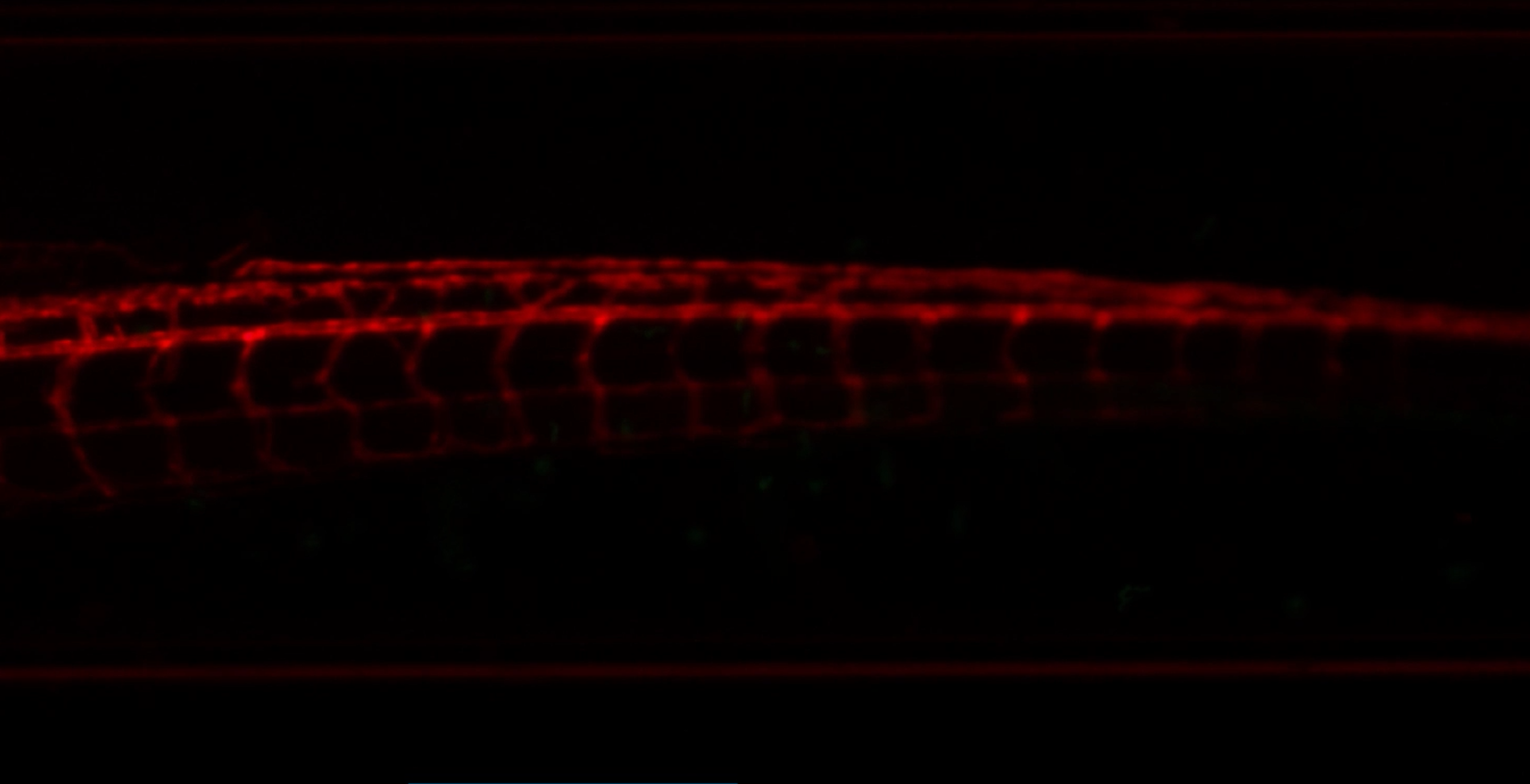
A shared imaging resource is judged differently from a single investigator’s instrument. It has to support changing projects, users with uneven experience, and a schedule that may include teaching, pilot work, and established screening programs on the same week. For that reason, a Zebrafish Fluorescence Imaging System should be evaluated as a service platform: a way to deliver repeatable access to live imaging, documented workflows, and interpretable data across a core facility.
The immediate question is not simply whether fluorescence images look sharper. The more useful question is whether the investment will turn a recurring imaging bottleneck into a dependable service. A facility that can standardize acquisition, onboarding, and quality review gives researchers a clearer path from fluorescent reporter to usable experimental evidence.
What changes when imaging becomes a core facility service?
In an individual lab, a microscope can be tuned around one assay and one experienced operator. A core facility has a broader obligation. It needs an imaging workflow that a trained new user can follow, an experienced user can adapt, and staff can support without reinventing the setup for every booking. That is why a Zebrafish Fluorescence Imaging System can be an important advancement for a growing zebrafish program: it creates a shared capability rather than a one-off experiment.
The service value usually shows up in four areas:
- Access: more groups can plan fluorescence-based studies without each group building a separate imaging bench.
- Consistency: common settings, sample-preparation guidance, and file-naming rules make sessions easier to compare over time.
- Training: staff can teach a repeatable workflow instead of relying on informal handoffs between researchers.
- Planning: a facility can align hardware choices, booking rules, analysis handoff, and maintenance around actual demand.
This does not mean every experiment should use the same configuration. It means the facility starts with a controlled baseline and makes deviations intentional. That distinction matters when multiple projects depend on a fluorescent readout.
Why fluorescence capability matters for zebrafish work
Zebrafish are well suited to visualizing fluorescent reporters in living organisms, but the imaging method must fit the biological question. A brief endpoint image, a multicolor anatomy study, and a time-lapse observation of a developing embryo do not create the same demands on optics, illumination, mounting, or data storage. A Zebrafish Fluorescence Imaging System helps a core facility make those trade-offs visible before users commit scarce animal, staff, and instrument time.
For example, retrieved research context describes light-sheet fluorescence approaches as selectively illuminating a plane of the sample, an approach associated with lower phototoxic exposure and improved temporal resolution for relevant live-imaging work. That does not make one modality right for every facility. If the dominant workload is occasional documentation, a simpler, well-supported workflow may be more appropriate. If live time series and three-dimensional datasets are routine, illumination strategy, motion control, and data handling deserve much more weight in the investment decision.
Ask a practical question at the outset: will the system support the kind of decisions researchers need to make after imaging, or will it only create attractive files? The answer depends on whether the facility can pair imaging access with agreed endpoints, metadata, and review practices.
Evaluate the investment through shared-workflow criteria
A productive procurement process looks beyond a specification sheet. The following criteria help a core facility compare a Zebrafish Fluorescence Imaging System against its own service model.
| Decision area | Questions for the facility | Why it affects value |
|---|---|---|
| Research fit | Which fluorescent reporters, developmental stages, and observation windows are most common? | Prevents overbuying for rarely used capabilities or underbuilding for routine live imaging. |
| Throughput | How many samples, users, and sessions must fit into a typical week? | Shows whether scheduling and sample handling, not the camera alone, are the real constraint. |
| Reproducibility | Can staff define default acquisition settings and a pre-imaging checklist? | Supports comparisons across operators and repeat studies. |
| Training | What must a new user demonstrate before independent booking? | Turns the system into a teachable service instead of a staff-only bottleneck. |
| Data workflow | Where will raw files, metadata, and analysis-ready exports be stored? | Limits avoidable rework after a session has ended. |
| Support and growth | Can the vendor support application discussion, training, and a phased upgrade path? | Matters when a facility’s needs change after the initial investment. |
There is a hidden cost in any shared resource: staff time spent rescuing poorly planned sessions. The investment case becomes stronger when the equipment choice reduces that rework through usable controls, clear workflows, and support that helps staff convert a research question into an imaging plan.
Balance throughput with data quality
High throughput is valuable only when the resulting images remain suitable for the intended analysis. If throughput is the binding constraint, batch-oriented acquisition may deserve priority. If reproducibility is the immediate challenge, orientation checks, controlled illumination, and operator review may be the better starting point, even when they slow the session. A core facility should state which of these priorities governs each service tier rather than implying that one workflow serves every study equally well.
The same logic applies to automation. Automated capture and analysis can make repeated tasks easier to schedule, but they still require validation against the facility’s strains, sample preparation, and imaging conditions. Core staff should reserve time for a pilot workflow before publishing a service menu. A modest pilot can reveal whether mounting variation, focus stability, or file transfer is the real limitation.
Build services around the system, not after it arrives
The return on a Zebrafish Fluorescence Imaging System is shaped by what happens around the instrument. Before purchase, draft the first version of the service model: consultation questions, sample acceptance criteria, booking duration, training checkpoints, an acquisition template, and a route for escalating technical issues. These documents do not need to be elaborate, but they should exist before a busy launch period.
Hunter Lab focuses its product line on zebrafish instruments and applications, and its shared-context materials describe application consultation and training as part of the support approach. For a facility, that kind of conversation is useful when it tests fit rather than substitutes for evaluation. Ask prospective suppliers to discuss the proposed protocol, anticipated users, and the practical path from initial setup to independent operation.
Support should also be considered over the full life of the investment. A modular approach can be helpful when a facility needs to begin with an essential imaging workflow and add capability as utilization and research demand expand. The right path depends on the existing imaging environment, staff capacity, and the assays the facility expects to support.
A practical case for moving forward
A Zebrafish Fluorescence Imaging System is worth serious consideration when fluorescent imaging is already recurring across projects, when staff repeatedly help users solve the same setup problems, or when researchers need better access to live imaging and documented acquisition practices. In those situations, the investment is not only about image capture. It is about making a more reliable shared research service possible.
Start with a demand review, define a small number of validated workflows, and evaluate systems against the facility’s real users rather than an idealized specification list. With those foundations in place, fluorescence imaging can become an advancement in access, consistency, and scientific service—not just another instrument in the room.








