
 EN
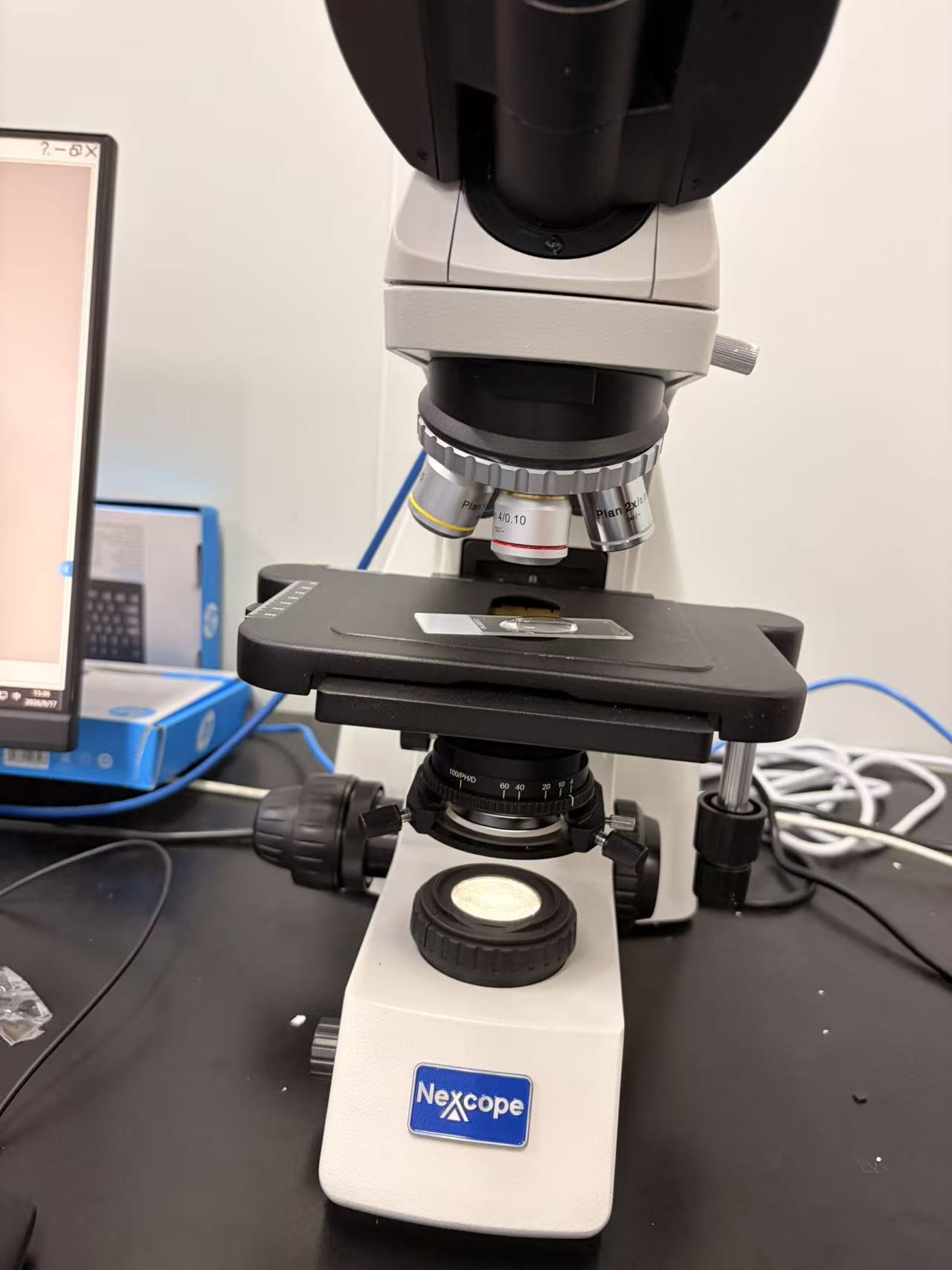
For a cardiovascular team, the question is rarely whether zebrafish can contribute useful biology. The harder question is whether your lab can turn live observations into repeatable, reviewable evidence. A Zebrafish Cardiovascular Analysis System can give a team a more disciplined way to capture cardiac images, define endpoints, and compare runs. Its value comes from making the workflow more consistent, not from replacing scientific judgment.
Early zebrafish development offers a practical viewing window because larvae are optically transparent and develop rapidly. That makes it possible to observe cardiac structure and movement in vivo while a study is still at a manageable scale. For teams working in cardiovascular research, this can support exploratory screening, phenotype characterization, and method development when the experiment is designed around clearly stated questions.
Start with the research decision, not the instrument list
A Zebrafish Cardiovascular Analysis System is most useful when the team agrees on the decision it needs to support. Is the goal to prioritize compounds for follow-up, describe a genetic phenotype, examine a time-dependent response, or build a repeatable teaching and core-facility workflow? Each goal calls for a different balance of imaging speed, operator review, and endpoint depth.
For example, heart rate alone may flag a change quickly, but it does not explain whether the signal reflects rhythm, contractility, handling, or an imaging artifact. A system that supports video capture and organized review helps a team pair rate with observations such as rhythm regularity, chamber motion, fractional shortening, blood-flow appearance, or gross morphology when those endpoints suit the protocol. The important point is to predefine which measures matter before the first comparison is made.
What adoption can improve for a research team
1. A shared acquisition routine
In a multi-user lab, variability often begins before analysis. Larval age, mounting orientation, anesthesia exposure, temperature, illumination, and capture timing can all influence what appears in a recording. A Zebrafish Cardiovascular Analysis System creates an opportunity to standardize those handoffs: one imaging setup, one naming convention, one acquisition checklist, and one place to retain source files. That structure is especially helpful when new staff members join an established cardiovascular research program.
Published baseline values should not be treated as universal constants. A value that looks typical under one temperature, strain, light schedule, or anesthesia procedure may not transfer directly to another setup. Your team should establish its own baseline cohorts and document the conditions behind them. This is where a repeatable system earns its place: it makes deviations easier to identify and discuss rather than hiding them in disconnected files.
2. More reviewable evidence from each experiment
Live imaging gives investigators a chance to revisit the underlying observation. When an automated output looks surprising, reviewers can inspect the recording, verify orientation, and check whether an irregular rhythm confused the analysis. That does not mean automation is unnecessary. Automated extraction can reduce the burden of repeated measurements, while manual spot checks provide a useful guardrail for edge cases.
For a small pilot, manual scoring may remain appropriate. As sample numbers grow, a Zebrafish Cardiovascular Analysis System can help preserve the link between raw images, derived measurements, and metadata. The transition should include a validation run: compare automated outputs with an agreed review method on representative larvae before treating the output as a routine endpoint.
3. A scalable path from screening to confirmation
Cardiovascular research often moves from a broad question to a narrower one. An initial screen might examine several conditions with a limited endpoint set; a follow-up study can add more detailed phenotyping for selected findings. A Zebrafish Cardiovascular Analysis System supports that progression when its data structure allows the team to trace each result back to a sample, time point, and recording.
There is a trade-off. A broad panel of heart rate, rhythm, contractility, blood flow, and vessel features can create a richer picture, but it can also slow review and increase the number of comparisons. Many teams begin with a focused, biologically justified set of endpoints and reserve deeper analysis for confirmation. The right choice depends on the study question, not on how many outputs a platform can display.
How to evaluate a system before adoption
- Endpoint fit: Can the workflow capture the cardiac features your protocol actually needs?
- Image quality and consistency: Can operators obtain comparable recordings across sessions without changing the biological signal?
- Metadata discipline: Does the workflow retain larval stage, treatment, timing, and acquisition conditions with the recording?
- Review process: Can the team inspect questionable outputs and document decisions?
- Training and support: Can your group create an SOP that a new operator can follow reliably?
- Analysis boundaries: Can the team state where zebrafish results guide a next experiment rather than overextending a screening result?
Ask a practical question during evaluation: if two operators run the same cohort next week, what parts of the workflow will keep their data comparable? A Zebrafish Cardiovascular Analysis System should make the answer clearer through repeatable acquisition, accessible records, and a defined review path.
Build adoption around validation, not assumption
Before routine use, run a small implementation study with controls that make sense for your assay. Define acceptance criteria for image quality, assess agreement between reviewers where interpretation is subjective, and record the conditions that set your local baseline. If an unexpected signal appears, check the raw recording before attributing it to biology. Those habits support innovation because they make it easier to distinguish a promising observation from a workflow effect.
Hunter Lab focuses on zebrafish instruments and cardiovascular applications, so teams can seek application-oriented discussion while planning their workflow. Even so, a platform should be evaluated against the lab's own model, endpoints, personnel, and study goals. No system substitutes for protocol optimization, appropriate controls, or subsequent studies when the research question requires them.
A measured case for adoption
A Zebrafish Cardiovascular Analysis System is worth considering when your team needs a more organized route from living larvae to defensible cardiovascular observations. It can strengthen consistency across operators, make image-derived findings easier to review, and support a staged workflow from exploratory work to focused confirmation. For cardiovascular research teams, the advantage is not simply faster data collection. It is the ability to ask better questions of the data, preserve the context needed to answer them, and decide what deserves the next experiment.








