
 EN
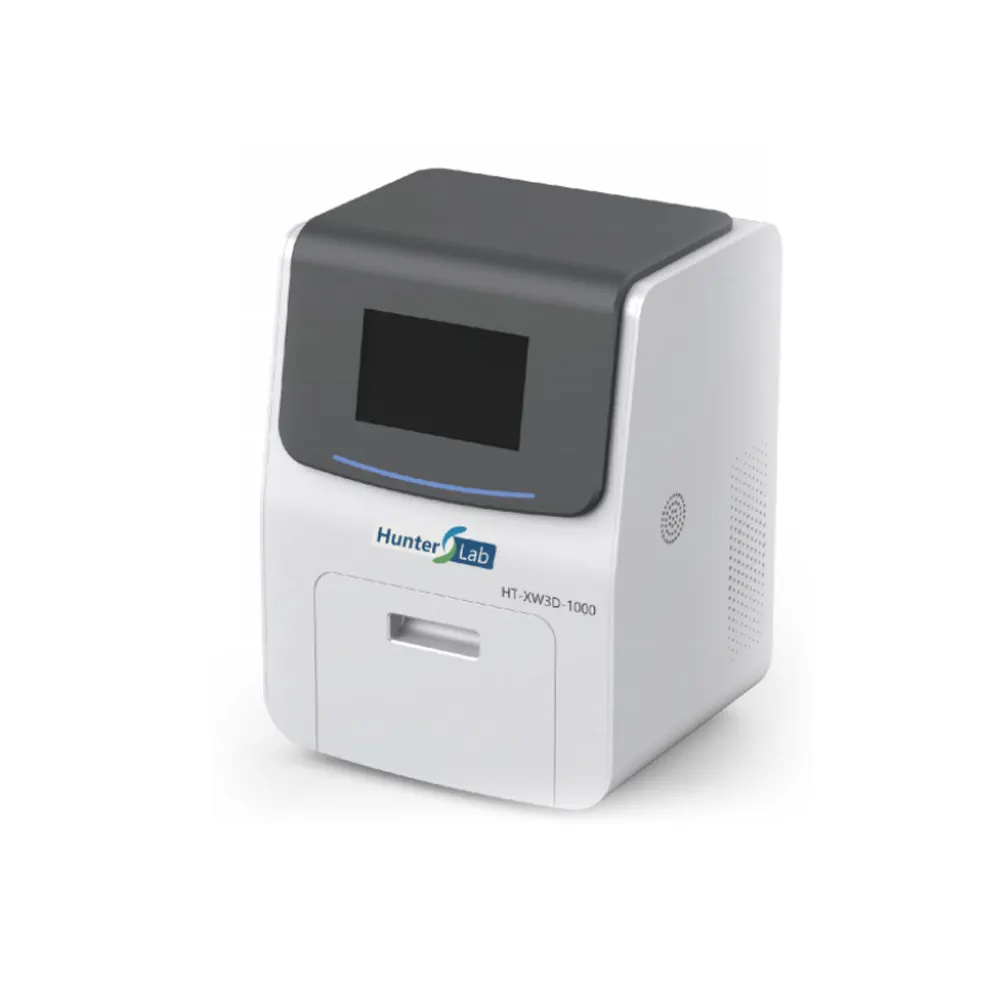
Why Is Continuous Water Quality Monitoring Essential in Zebrafish Facilities?
A Zebrafish Water Quality Monitor is not simply another dashboard in a fish room. It is a way to see changing conditions before they become a husbandry incident, a breeding setback, or an unexplained variable in a study. In a busy facility, water moves through tanks, filters, make-up systems, and shared infrastructure all day. A single manual reading can show the condition at one moment; continuous monitoring shows the direction of travel.
For facility managers, that difference matters. Zebrafish are small, but their responses to environmental change can be meaningful for welfare, behavior, reproduction, and experimental consistency. A well-planned monitoring program helps teams turn water quality from a periodic checklist into an operating signal that supports fish health and better decisions.
Why spot checks alone leave important gaps
Manual testing remains valuable for verification and troubleshooting, yet it can miss short-lived changes between rounds. A pump performance issue, an exhausted treatment stage, a dosing error, or a sudden load change may develop after a morning check and before the next scheduled measurement. By the time water looks unusual or fish show visible stress, the earliest clues may be gone.
Continuous monitoring adds a time series to routine husbandry. Instead of asking only, “What is the pH now?” a facility can ask, “When did it begin to drift, how fast did it move, and did the same pattern appear elsewhere in the system?” Those questions support faster triage and make post-event review more useful.
Which conditions deserve a continuous view?
The right configuration depends on a facility’s system design, stocking practices, source water, SOPs, and veterinary guidance. In many recirculating zebrafish operations, teams track temperature, pH, conductivity, dissolved oxygen, flow, and water level continuously or at frequent intervals. Nitrogen-related compounds such as ammonia, nitrite, and nitrate may be checked through a combination of automated sensing and scheduled analytical testing, depending on the technology and validation plan.
The point is not to copy one set of numbers from another laboratory. Each site should establish its own acceptable operating ranges and escalation thresholds. A Zebrafish Water Quality Monitor becomes most useful when its readings are tied to local baseline data, calibration records, and clear actions for staff.
Continuous data protects fish health through earlier response
Fish often experience a changing environment before people notice a problem. A gradual oxygen decline, a temperature excursion, or conductivity drift can affect animals long before it becomes obvious during a walk-through. Alerts give technicians a chance to investigate pumps, aeration, filtration, source water, and tank-room conditions while the event is still small.
That does not mean every alert signals an emergency. Good facility management distinguishes between a sensor issue, a brief expected change, and a genuine system trend. The most practical alert design uses sensible thresholds, delay rules where appropriate, and an escalation path that tells the on-call person what to check first. Keeping those decisions in the facility SOP reduces uncertainty during handoffs and weekends.
Better records strengthen research consistency
Environmental control is part of experimental control. When a result is unexpected, a continuous record can help a research team determine whether a water-quality change coincided with the observation window. When conditions remain stable, the same record provides useful context for confidence in routine husbandry.
This is especially important when multiple rooms, systems, cohorts, or studies share a facility. Trend history can reveal a recurring pattern that a one-off test would not capture: a daily temperature rise near a lighting cycle, a conductivity shift after source-water treatment, or an intermittent flow reduction in one loop. These patterns support preventive maintenance instead of repeated reaction.
How a monitor improves daily facility management
The operational value of a Zebrafish Water Quality Monitor comes from the workflow around it. The following practices make the data more actionable:
- Define ownership: assign who reviews live status, daily trends, calibration results, and unresolved alerts.
- Use baselines, not assumptions: document normal ranges for each system and review changes after maintenance, seasonal shifts, or stocking changes.
- Connect alarms to actions: write concise response steps for common events, including who to notify and what to verify with an independent test.
- Protect data continuity: check communications, backup power considerations, and timestamp accuracy so event history remains useful.
- Review trends together: include water data in regular husbandry and maintenance meetings, rather than looking only after an alarm.
These habits turn continuous monitoring into a shared operating practice. They also make it easier for new staff to understand what normal looks like and when to escalate.
Choosing a practical monitoring approach
When evaluating a monitoring setup, begin with the questions the facility needs it to answer. Does the team need a room-level overview, independent system channels, remote notifications, data export, or integration with existing controls? The answer should reflect the facility’s risk points, staffing model, and validation requirements rather than a generic feature list.
Ask how each sensor will be calibrated, cleaned, verified, and replaced. Consider how readings will be checked against manual methods, who can acknowledge alarms, and how the system behaves during a network interruption. A reliable process is often more valuable than a long list of measurements that no one can maintain.
A simple implementation sequence
- Map water pathways and identify failure points that could affect multiple tanks.
- Set facility-specific target ranges, warning thresholds, and critical escalation limits with the responsible husbandry and veterinary teams.
- Install and validate sensors in priority locations, then compare their readings with established manual methods.
- Train staff on alerts, verification steps, and documentation expectations.
- Review the first months of trend data and refine thresholds that create noise or miss meaningful drift.
This sequence keeps the focus on response quality, not just equipment installation. It also gives the facility a defensible record of how its monitoring program supports routine operations and fish health.
Continuous monitoring is a management safeguard
A Zebrafish Water Quality Monitor helps a facility recognize drift earlier, organize a proportionate response, and preserve the environmental context behind husbandry and research decisions. It does not replace trained staff, manual confirmation, or well-maintained life-support equipment. It gives those people better information at the moment they need it.
For zebrafish facilities serving university laboratories and research organizations, the strongest approach combines continuous data, verified procedures, and regular review. That combination supports healthier systems, clearer handoffs, and more consistent conditions for the work that depends on them.








