
 EN
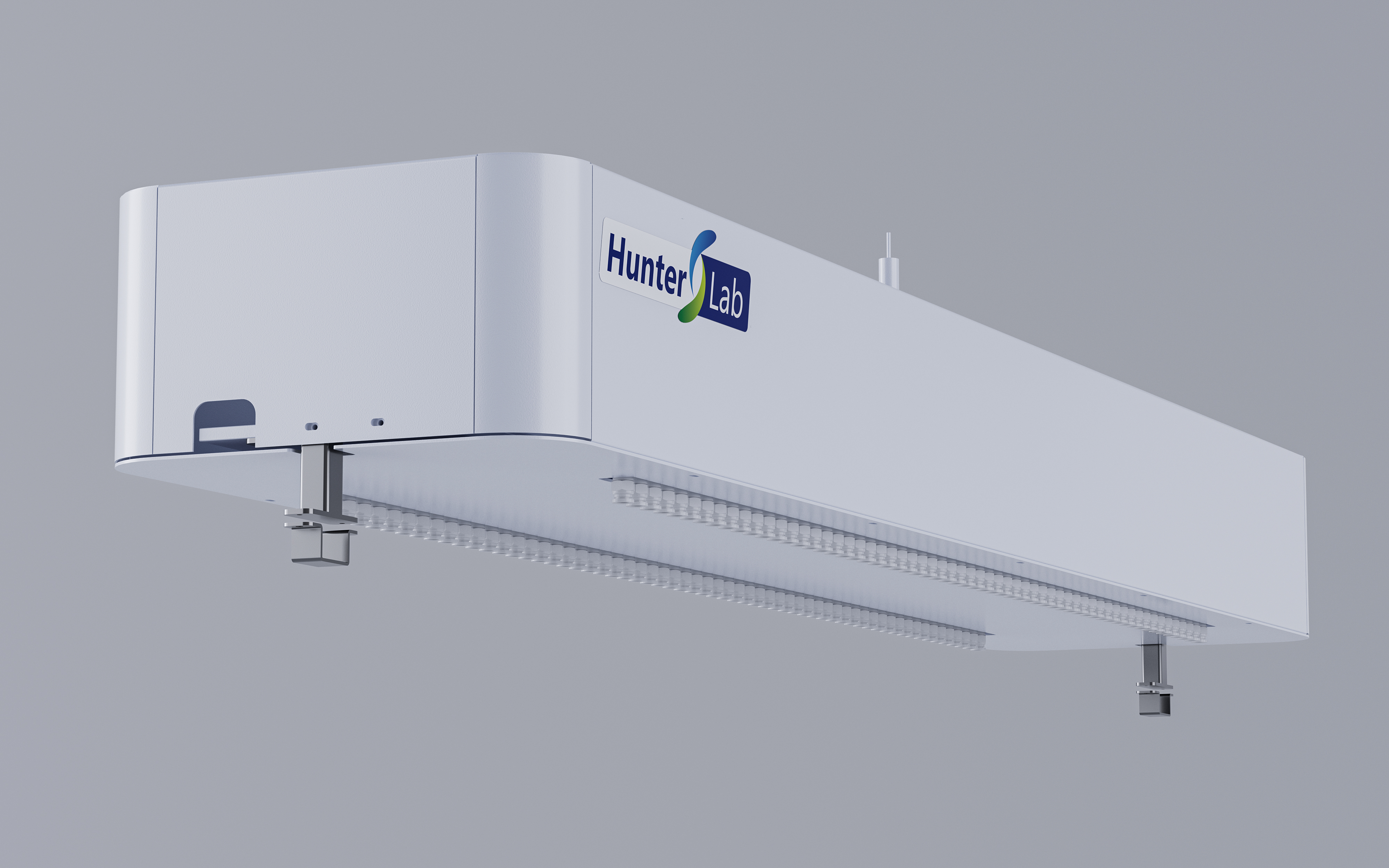
Feeding at scale is a scheduling problem before it is a biology problem
A large zebrafish facility is not defined by the number of tanks alone. It is defined by the number of feeding events that have to happen on time, every day, across many racks and many rooms. A small lab might manage with a hand-written schedule and a flexible team. A facility with hundreds of tanks does not have that luxury. The feeding routine becomes a logistics operation, and logistics operations fail when they depend on perfect human coordination.
The biology of feeding is well understood. Zebrafish need regular meals during the light phase, and larvae need more frequent small meals than adults. The hard part is delivering those meals consistently when the facility is large. Automated feeding systems are popular in these settings because they turn a scheduling problem into a programmable routine.
Consistency across hundreds of tanks is hard to maintain by hand
Manual feeding depends on the person doing it. One technician might scoop a slightly larger portion than another. A feeding round that starts at 8 a.m. one day might start at 9 a.m. the next. Over weeks, those small differences create uneven growth, uneven spawning, and data that is harder to compare across tanks.
Automated feeding systems reduce that variability. Feed is delivered in programmed amounts at programmed times. The same schedule applies to every rack. For large facilities that run multiple studies in parallel, that consistency is not a convenience. It is a requirement for reproducible results.
| Feeding factor | Manual routine | Automated feeding system |
|---|---|---|
| Timing | Depends on staff availability | Programmed and repeatable |
| Portion size | Varies between operators | Consistent across tanks |
| Weekend coverage | Requires scheduling and overtime | Unattended operation |
| Record keeping | Often incomplete | Digital log |
| Cross-user consistency | Low | High |
Labor coverage on weekends and holidays drives the decision
The strongest argument for automated feeding in large facilities is not speed. It is coverage. A large colony needs to be fed every day, including weekends and holidays. Manual coverage means rotating staff, scheduling overtime, and relying on people to show up when they would rather be elsewhere. That pressure builds over time and contributes to turnover in animal care roles.
Automated systems do not call in sick. They do not need holiday coverage. Staff still monitor the animals and respond to problems, but the daily feeding task no longer depends on someone being on site. For facilities that run long-term studies, that shift removes a recurring source of stress.
Data logs connect feeding to colony performance
A feeding event is also a data point. When a batch of embryos develops differently from another, the feeding record can help explain why. Automated systems log delivery time, amount, and any errors. That log can be linked to water quality records, spawning dates, and larval survival data.
Manual feeding rarely produces that kind of documentation. Notes get lost, times are estimated, and the feeding history becomes a gap in the experimental record. For facilities that need traceability, the digital log is one of the most valuable features of an automated system.
Integration with light cycles and water quality routines
Automated feeding does not operate in isolation. It has to fit the light cycle and the water management routine. A standard photoperiod of 14 hours light and 10 hours dark sets the daily rhythm. Feeding is usually scheduled during the light phase. A feeder that runs outside that window may deliver food when fish are inactive, which wastes feed and degrades water quality.
Flow rate matters too. In a recirculating system, feed that enters a high-flow tank can be swept toward the drain before fish eat it. Integration means adjusting the feed rate, pellet size, or delivery point to match the flow. Some facilities briefly reduce flow during feeding, but that adds complexity and should be tested carefully.
-
Program feeding during the light phase.
-
Match delivery to the flow rate in each tank.
-
Avoid feeding immediately before a water change.
-
Test delivery in a single tank before expanding across a rack.
Where automation helps and where human judgment still matters
Automated feeding systems are not a substitute for observation. They cannot see a sick fish, a clogged line, or a tank with unusual debris. They cannot decide that a particular genetic line needs a different diet or that a batch of larvae should be fed more frequently. Those judgments still require trained staff.
There is also a maintenance burden. Hoppers need refilling. Delivery lines need cleaning. Timers and sensors need checking. A system installed without a maintenance plan will eventually fail, and the failure may not be obvious until a feeding event is missed.
A large facility in eastern China learned this during a transition to automated feeding. The first installation used standalone timers that were not connected to the central light controller. Feed was delivered before the lights came on, and the fish ignored it. Uneaten food decayed and water quality dropped. The team revised the setup, tied the feeders to the light cycle, adjusted flow rates in the receiving tanks, and added a weekly cleaning routine. The second attempt worked. The fish were fed on schedule, and the feeding logs became part of the facility's daily records.
Hunter Lab (Hunter) builds zebrafish laboratory equipment with attention to the practical details that large facilities depend on. The manufacturing and quality control side supports the consistency that long-term colony management requires. For facilities weighing automated feeding for daily operations, that kind of build discipline is part of the foundation.








