
 EN
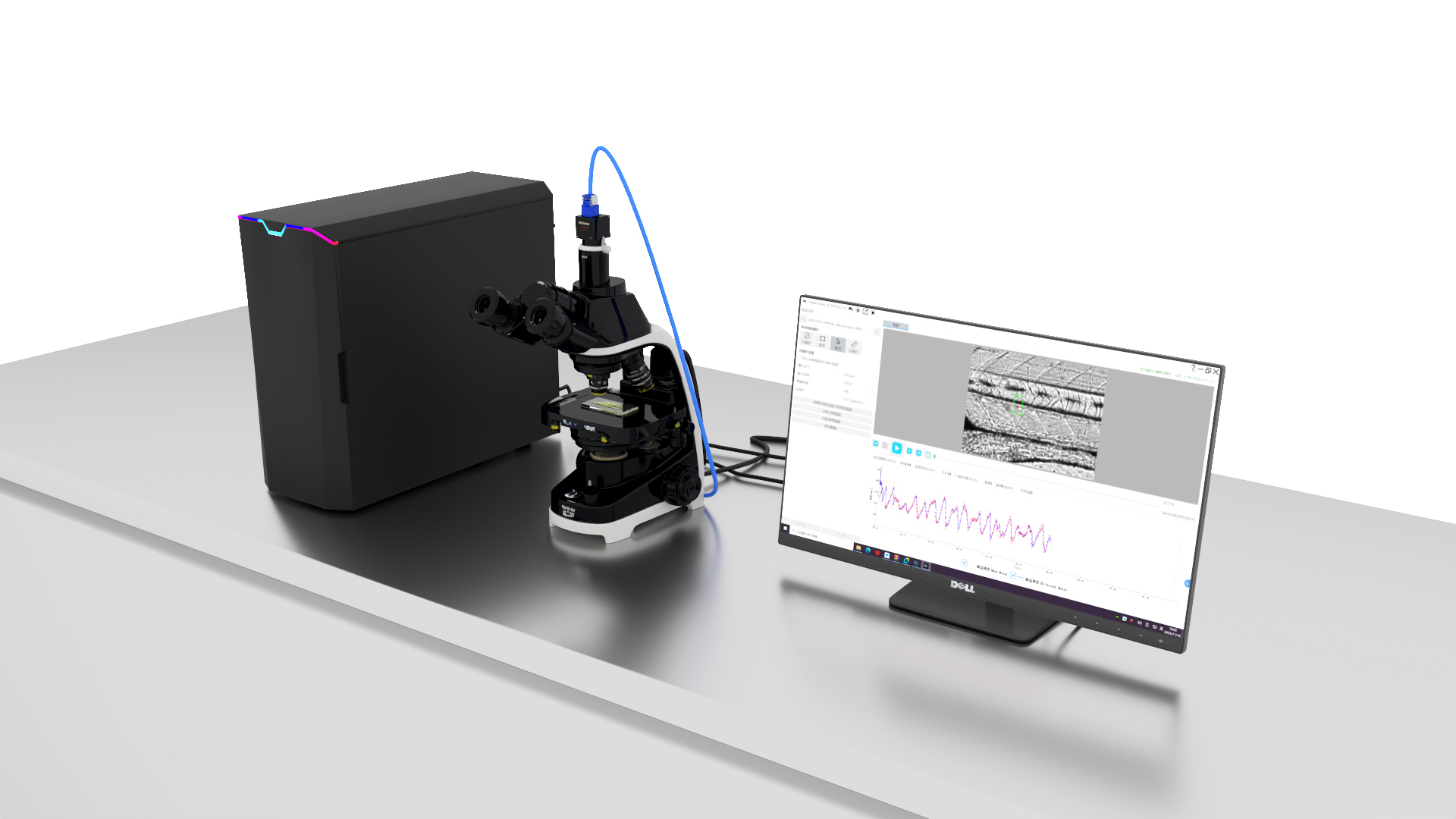
Selecting a light cycle controller for a large zebrafish facility requires more than checking basic timer functions. The system must support stable biological conditions while managing energy consumption, operational reliability, and long-term maintenance needs. A properly designed light cycle controller helps research facilities maintain consistent photoperiod conditions, which can influence zebrafish behavior, breeding patterns, feeding responses, and experimental repeatability.
In larger facilities, lighting systems often operate continuously according to programmed schedules. Even small differences in control accuracy, power management, and component quality can become important when hundreds or thousands of aquatic environments depend on stable lighting cycles.
The main challenge is finding a balance between energy efficiency and operational longevity. A controller that reduces unnecessary power usage but cannot maintain reliable performance may create additional operational problems. On the other hand, an oversized system with unnecessary features may increase costs without providing practical benefits.
Energy Efficiency Depends on System Design and Control Accuracy
Energy efficiency in zebrafish lighting environments is not only related to the light source itself. The controller plays an important role by ensuring that illumination operates only when required and follows precise schedules.
Modern facilities often use programmable systems that can coordinate multiple lighting zones. These controls allow different areas to follow specific day and night cycles, reducing unnecessary operation during inactive periods.
Important energy-related factors include:
- Accurate scheduling that prevents extended lighting periods caused by timing errors.
- Stable switching performance that reduces unnecessary power fluctuations.
- Compatibility with efficient lighting equipment and facility management systems.
A research facility may not notice energy waste from a single room, but inefficient control across an entire building can gradually increase operating expenses. The practical value of a controller comes from improving consistency rather than simply promoting maximum energy reduction.
Longevity Requires Attention to Components and Operating Conditions
The service life of a light cycle controller depends on several engineering factors, including electrical design, thermal management, environmental conditions, and workload patterns.
Large zebrafish facilities usually operate in environments where humidity, equipment density, and continuous operation create additional challenges. Controllers installed near aquatic systems need appropriate protection and stable internal components to reduce performance degradation over time.
A useful comparison of common considerations is shown below:
| Consideration | Basic Controller Approach | Advanced Facility Approach |
|---|---|---|
| Scheduling method | Fixed daily timer settings | Programmable and adjustable lighting cycles |
| Energy management | Limited control options | Better coordination between lighting zones |
| Operating stability | Suitable for smaller setups | Designed for continuous facility operation |
| Maintenance planning | More manual checking | Easier system monitoring and adjustment |
| Application scale | Small laboratory environments | Larger research facilities with multiple areas |
The table does not mean every facility requires the most advanced option. The correct selection depends on the number of lighting zones, research requirements, and operational conditions.
Real Engineering Experience Shows Why Reliability Matters
During an equipment improvement project at a biological research facility in Southeast Asia, technicians reviewed an existing lighting management system after researchers noticed inconsistent illumination timing between different rooms. The issue was not caused by the lamps themselves, but by differences in controller scheduling accuracy and aging electrical components.
The evaluation showed that improving control coordination was more valuable than simply replacing individual lights. After adjustments, the facility achieved more consistent lighting cycles and simplified daily management procedures. The project also highlighted an important lesson: stable environmental control is often created through many small engineering details working together.
Similar situations are common in laboratory environments. A lighting controller may appear to be a simple timing device, but in practice it becomes part of a larger environmental management system.
Standards and Practical Evaluation Methods Support Better Decisions
When selecting control equipment, facility managers often consider electrical safety practices, environmental requirements, and internal operational standards. International guidelines such as IEC electrical equipment standards provide useful references for evaluating safety and design principles.
Third-party research on zebrafish husbandry has also emphasized the importance of maintaining controlled environmental conditions. Stable lighting schedules are widely recognized as one factor that supports consistent animal care and experimental procedures.
However, lighting control should not be viewed as the only factor affecting research quality. Water parameters, feeding systems, genetics, and facility management practices all contribute to successful zebrafish operations. A controller improves one part of the environment, but it cannot replace comprehensive facility management.
Choosing a Controller Based on Long-Term Facility Needs
A practical selection process usually starts with several questions:
- How many lighting areas require independent control?
- Are lighting schedules expected to change frequently?
- What environmental conditions will affect equipment placement?
- How easily can operators monitor and adjust settings?
For expanding facilities, flexibility often becomes more valuable than selecting the lowest initial cost option. A reliable light cycle controller should support operational changes without creating unnecessary complexity.
Energy efficiency and longevity are connected. A well-designed controller reduces avoidable operation, supports stable performance, and helps facilities maintain predictable workflows over time.
Hunter Lab provides manufacturing capabilities and supply chain support for professional lighting control solutions, focusing on production consistency, quality management, and practical application requirements. Its experience in equipment manufacturing helps customers select suitable solutions for different facility environments while maintaining reliable product standards.








