
 EN
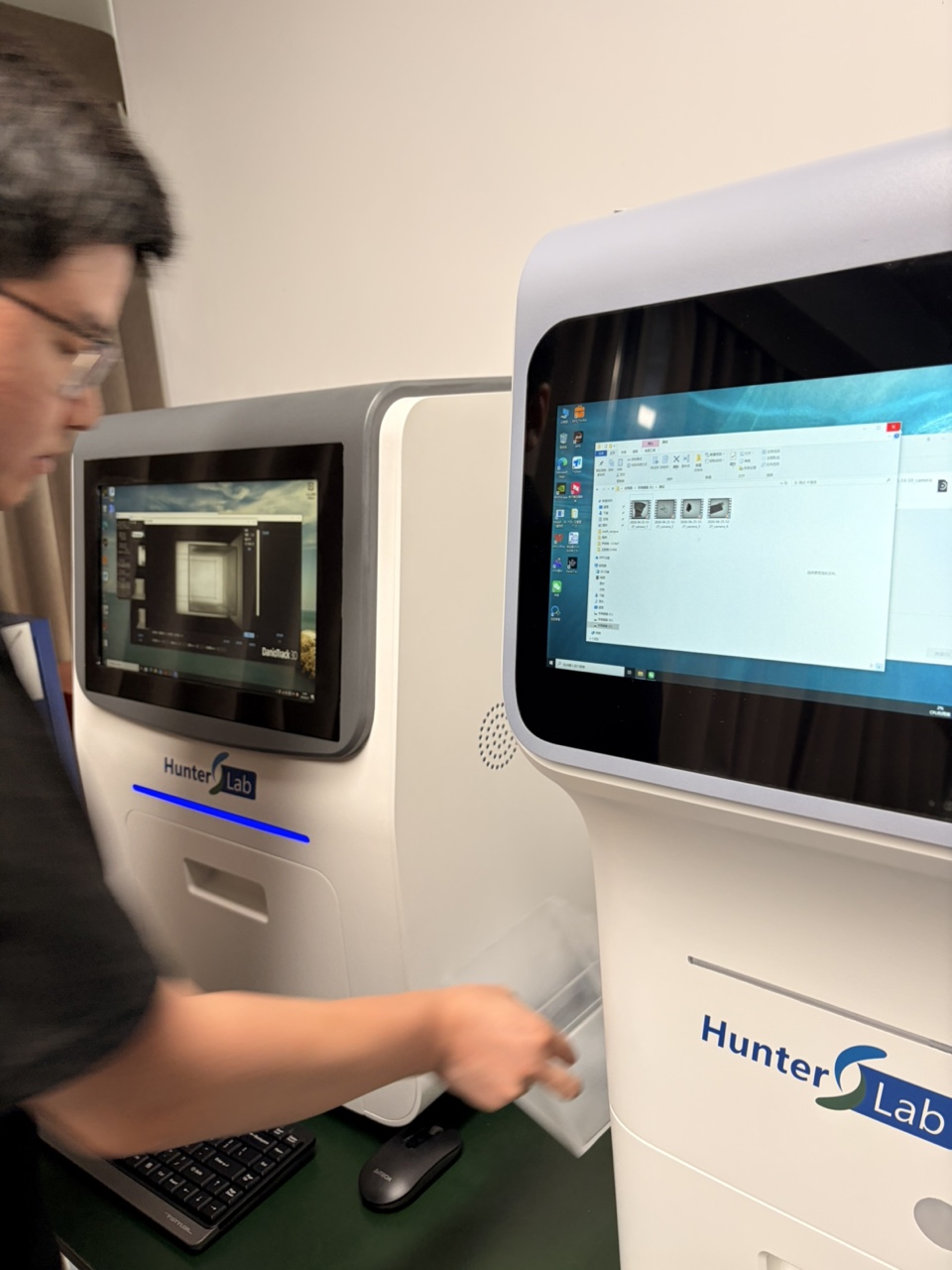
A Zebrafish Water Quality Monitor is more than a source of isolated readings. For a shared research facility, it can turn temperature, pH, conductivity, dissolved oxygen, and related water signals into a record of operating conditions. That record helps teams investigate variation, coordinate maintenance, and document what happened before and after an alert. The more useful question is not merely whether a value is in range, but whether the pattern is changing, where it appears, and who needs to respond.
For facility managers, the value of a Zebrafish Water Quality Monitor lies in context. A single daily result may look ordinary while a short excursion, a repeating overnight drift, or a mismatch between supply and return water points reveals a developing issue. Water conditions can interact, so a change in temperature may alter how staff interpret dissolved-oxygen readings, pH movement, and animal observations. A practical monitoring program combines the data stream with local SOPs, calibration records, tank locations, husbandry notes, and corrective-action logs.
Start with the facility questions the data should answer
A Zebrafish Water Quality Monitor should support decisions that the facility already needs to make. Before selecting dashboard views or alert thresholds, define the questions. Is the team trying to spot a distribution-system change? Compare a remote rack with the central sump? Check whether a maintenance event coincided with a shift in conditions? Or provide traceable context when a research group sees an unexpected outcome?
- Stability: Are readings holding near the facility’s approved operating targets over time?
- Location: Does a change appear at the source, in the sump, at a supply point, or near a particular rack?
- Direction: Is the signal drifting gradually, cycling at a repeatable time, or changing abruptly?
- Response: Was an alert acknowledged, checked with a secondary method, assigned to an owner, and closed with a confirmatory reading?
That framing makes data insights usable in day-to-day facility management. It also keeps a monitor in its proper role: it supports observations and documented follow-up; it does not replace water testing plans, equipment inspection, or animal-welfare assessment.
Which operational insights can a monitor reveal?
1. Trends are often more useful than a pass-or-fail snapshot
A Zebrafish Water Quality Monitor can show the rate, duration, and timing of a change. Consider conductivity that remains inside a local operating range but moves steadily in one direction over several checks. That pattern may justify a review of make-up water, dosing, evaporation, or instrumentation before it affects more locations. The same is true for recurring pH movement or a dissolved-oxygen pattern that aligns with equipment cycles. Facility management gains a timeline for asking focused questions rather than reacting only after a threshold is crossed.
Use rolling views that show the latest day, week, and month. A daily average alone can hide short events. Pair the plot with annotations for filter service, water changes, feeding changes, pump work, alarm tests, and unusual room conditions. Over time, these trends help distinguish an isolated reading from a repeatable operational signature.
2. Comparing monitoring points exposes distribution differences
One central reading does not necessarily describe every tank’s exposure. A Zebrafish Water Quality Monitor program can compare source water, sump water, supply lines, returns, distant rack positions, high-biomass areas, and temporary holding units. A difference between locations can be as informative as either reading in isolation. If a return point begins to diverge from the supply while nearby points remain stable, the response team has a narrower inspection path.
For shared facilities, tag each data channel with a clear location, system, probe ID, and calibration status. That small design choice makes later analysis practical. When a user reports an issue, staff can retrieve the relevant time window instead of sorting through an unlabelled export.
3. Correlated signals create a better maintenance picture
A Zebrafish Water Quality Monitor can help staff examine related signals together. For example, a temperature change may influence dissolved oxygen, while changes in loading or water turnover may be reflected in several measurements. Correlation does not establish cause, but it helps staff decide what to inspect first. The manager can compare probe data with flow checks, aeration status, filtration records, stocking changes, and staff observations.
This is where analytics become useful without becoming complicated. Start with a simple incident timeline: timestamp, location, readings, alarm state, observed equipment condition, action owner, action taken, and a later verification reading. After several events, the facility can identify recurring handoff gaps, maintenance intervals worth reviewing, or sensors that need closer calibration oversight.
4. Alerts can become documented response workflows
The immediate value of a Zebrafish Water Quality Monitor is timely awareness. The longer-term value comes from the response record. For each alert class, define who receives it, what they verify, which local SOP applies, when escalation occurs, and how the event is closed. A facility should establish its own limits and escalation logic with its veterinary, husbandry, engineering, and research leadership teams; generic values should not override local requirements.
A useful workflow has four parts: detect the change, verify the reading and probe condition, inspect the relevant system and animals, then record the corrective action and follow-up result. This creates data insights that are auditable and easier to communicate across shifts. It also makes alarm testing a managed activity rather than an afterthought.
Turn monitor data into a facility management routine
A Zebrafish Water Quality Monitor delivers more value when its data are reviewed at more than one cadence:
- Per shift: Review active alerts, confirm ownership, and annotate unusual readings or interventions.
- Weekly: Review short-term trends by location, compare repeat excursions, and check calibration or maintenance status.
- Monthly: Summarize incidents, response times, recurring locations, and actions needing SOP or training updates.
- Per study or event: Export the relevant operating window when investigators need environmental context for interpreting an unexpected result.
Ask a direct question during these reviews: does the facility have enough context to explain why this event occurred and how staff responded? If not, improve the annotations, point labels, or escalation workflow before adding more metrics. Clear ownership and consistent records often matter more than a crowded dashboard.
A practical data model for zebrafish facilities
To make a Zebrafish Water Quality Monitor useful across teams, connect each measurement with metadata: date and time, location, instrument or probe ID, calibration state, system status, relevant maintenance event, reviewer, and response ticket. This design lets facility management filter by rack, parameter, equipment event, or study period. It also makes handoffs between animal-care, engineering, and research teams more precise.
Keep interpretation proportional. A monitor can indicate that conditions changed; it cannot by itself identify every biological consequence or establish a causal explanation. Review the data alongside local husbandry observations, validated manual checks, and the facility’s approved procedures. That boundary supports careful decisions and avoids over-reading a single signal.
What should managers look for when reviewing monitor data?
Look for a Zebrafish Water Quality Monitor workflow that produces understandable time-stamped records, supports comparison across meaningful locations, and fits local escalation practices. It should make it easier to see whether a value is stable, drifting, or changing alongside another parameter. For a multi-user facility, the most valuable output is a shared operational story: what changed, where it changed, what staff checked, and what the later readings showed.
Used this way, a Zebrafish Water Quality Monitor strengthens facility management by converting routine measurements into evidence for maintenance planning, communication, and continuous improvement. The goal is not more data for its own sake. It is a clearer, traceable basis for keeping water-quality management aligned with the facility’s approved operating practices.








