
 EN
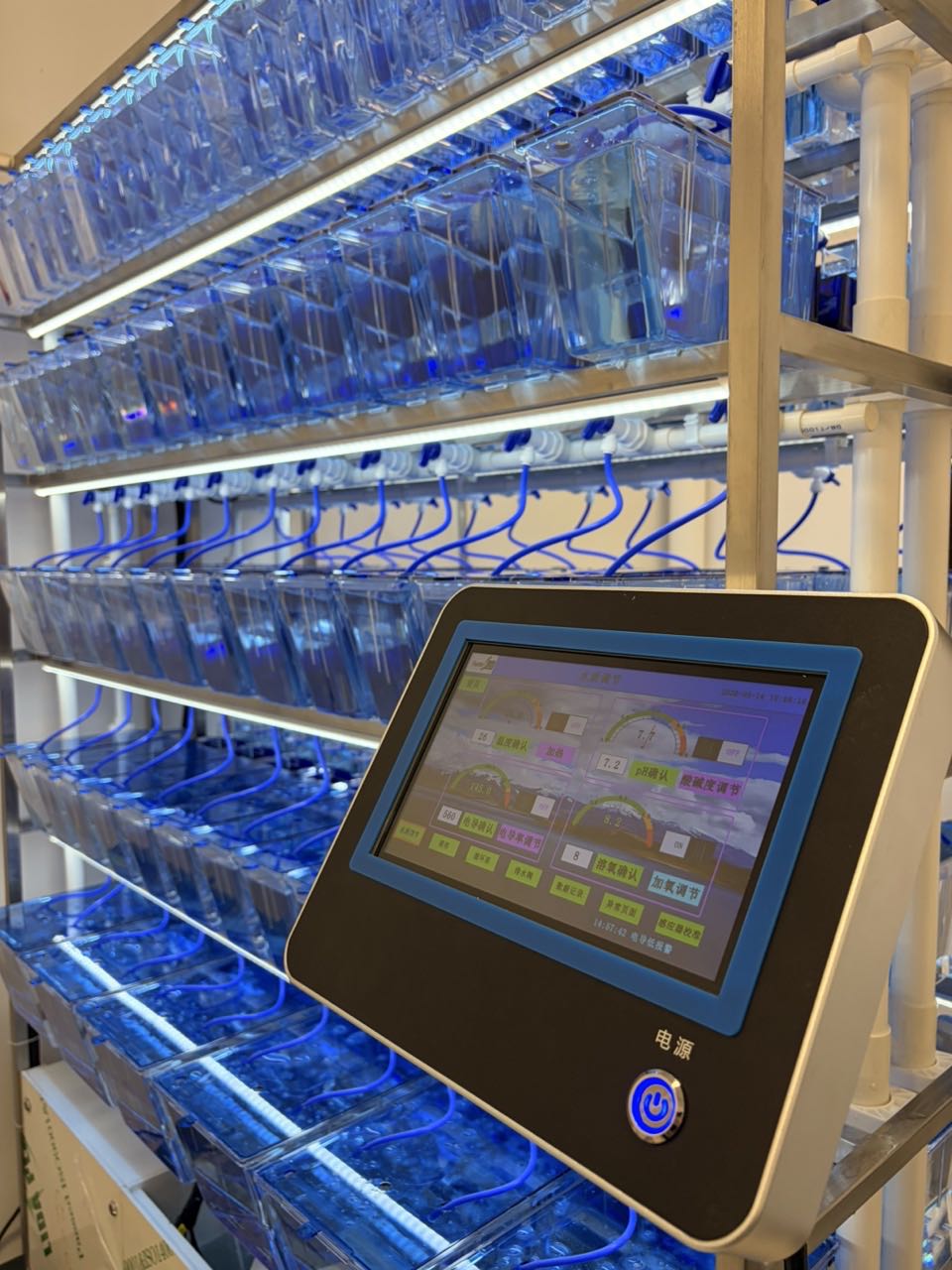
What are the software options for a zebrafish phenotype analysis system?
Choosing a Zebrafish Phenotype Analysis System is not simply a choice of camera or assay hardware. The software determines whether images, trajectories, annotations, and experimental metadata become an interpretable result or an unmanageable folder of files. For a lab equipment procurement manager, the practical question is which software option fits the phenotype endpoint, throughput, staff skills, and reporting requirements already in the lab.
A useful decision starts by separating four jobs that are often bundled under “analysis”: acquisition control, image or video processing, phenotype quantification, and data management. A strong platform may cover all four; a modular workflow may use different tools for each. Neither approach is automatically better. It depends on where the experimental bottleneck sits.
Start with the phenotype, not the software name
Before comparing a Zebrafish Phenotype Analysis System, write down the primary endpoint. Morphology, cardiac motion, fluorescence intensity, larval locomotion, startle response, and survival each place different demands on analysis. A behavior workflow needs reliable identity tracking, regions of interest, time-series export, and transparent rules for excluding poor-quality tracks. An imaging workflow needs calibration, segmentation, measurement definitions, and a way to review individual wells or larvae behind a summary value.
It is tempting to ask whether a package is “AI-enabled.” That label is less useful than asking which step is automated, what input quality it expects, and how a user can inspect an exception. A user interface should make it possible to trace a reported phenotype back to the raw frame, video, or image set. If that trail is missing, faster analysis can create a harder validation problem later.
Four practical software options
1. Integrated instrument software
An integrated option is supplied with a dedicated imaging or behavior instrument. It usually links acquisition settings, plate maps, exposure or stimulation events, tracking, and routine reports in one platform. This can be a sensible choice for a core facility or screening team that needs repeatable workflows across several operators. The advantage is not merely convenience: fixed templates can help preserve metadata that would otherwise be lost between acquisition and analysis.
The trade-off is configuration freedom. Ask whether a user can define phenotype thresholds, review failed segmentation, export per-animal records, and retain raw data outside the vendor environment. A polished user interface is valuable, but a workflow should still support auditability when a result is questioned.
2. Research-configurable tracking and analysis software
This category includes open or academically developed tools that emphasize configurable tracking, regions of interest, and custom metrics. For example, ZebraZoom describes free tools for tracking, kinematic data analysis, and behavior analysis. Such software can be attractive when a study requires a nonstandard arena, a custom behavioral definition, or control over intermediate outputs.
The hidden cost is implementation effort. A team should confirm who will maintain scripts, document versions, validate updates, and train new users. In published zebrafish tracking workflows, per-fish data may be exported for processing and visualization in tools such as MATLAB or R. That flexibility is powerful, but it shifts more responsibility for reproducibility onto the laboratory.
3. General image-analysis software with zebrafish workflows
General-purpose image analysis environments can work well for morphology, fluorescence, vascular features, organ size, or repeated imaging when a lab has microscopy expertise. Their strength is adaptability: users can design segmentation and measurement workflows around a specific assay rather than wait for a dedicated package to add an endpoint.
However, the laboratory must validate the workflow against representative images, including dim samples, motion blur, variable orientation, and borderline phenotypes. A published protocol may describe an optimal developmental stage; in a local setup, it may need refinement because optics, anesthesia, strain, or illumination differs. A suitable Zebrafish Phenotype Analysis System should let the user record those operating choices instead of hiding them inside a preset.
4. A modular pipeline with a database or statistical layer
A modular approach connects acquisition software, a measurement tool, and a downstream database or statistical environment. This option is particularly useful when several assay types must be compared in one project. It also supports laboratories that need to preserve well-level metadata, treatment identity, developmental stage, observer notes, and quality-control decisions alongside derived phenotype values.
Data structure matters here. ZFIN phenotype annotation uses combinations of controlled terms, including PATO, ZFA, GO, and ChEBI, rather than relying on one pre-composed label. A local laboratory does not need to reproduce a public database, but it should retain sufficiently clear metadata and phenotype definitions to make exports understandable months later. What begins as “did this compound change activity?” can become a more useful question about which movement feature changed, under which conditions, and with what confidence.
How to compare the options in a real workflow
| Decision question | Why it matters | Evidence to request |
|---|---|---|
| Can the system preserve raw data and per-animal results? | Summary charts alone cannot resolve unexpected findings. | A sample export plus a trace from a result to the source image or video. |
| Can users review tracking, segmentation, and exclusions? | Automated analysis needs transparent quality control. | An exception-review screen and a documented exclusion log. |
| Does it fit the laboratory’s throughput? | Batch processing, plate layouts, and storage needs change with scale. | A demonstration using the intended assay format and file volume. |
| How portable are the data? | Exportable tables and metadata reduce lock-in and support statistics. | CSV, image, video, and metadata export examples. |
| Who supports validation and training? | A tool is useful only when staff can run and troubleshoot it consistently. | Training scope, version policy, and application-support process. |
Run a short acceptance test before buying
Ask each supplier or software team to process a small, representative dataset rather than a curated demonstration file. Include normal larvae, borderline phenotypes, and at least one recording with the artifact your lab encounters most often. Define the expected output first: for example, a per-animal table, a plate-level visualization, an operator review step, and a reusable report. Then compare the time required, the number of manual interventions, and the clarity of the exported record.
For institutional purchasing, this exercise also creates useful documentation for the PI, core-facility lead, and procurement office. A zebrafish-specialized supplier such as Hunter Lab may be able to discuss workflow fit in zebrafish applications, but the final selection should rest on a demonstrated match between the assay, the software, and the laboratory’s validation plan—not on a generic feature list.
Conclusion: choose the workflow you can defend
The most suitable Zebrafish Phenotype Analysis System is the one that makes phenotype measurements repeatable, reviewable, and portable for your intended study. Integrated systems suit standardized, multi-user workflows; configurable tools suit novel assays; image-analysis environments suit custom quantification; and modular pipelines suit cross-assay data programs. Prioritize transparent quality control, usable exports, and a user interface that helps staff understand what the system measured. Those criteria make the resulting analysis easier to reproduce and easier to explain.








