
 EN
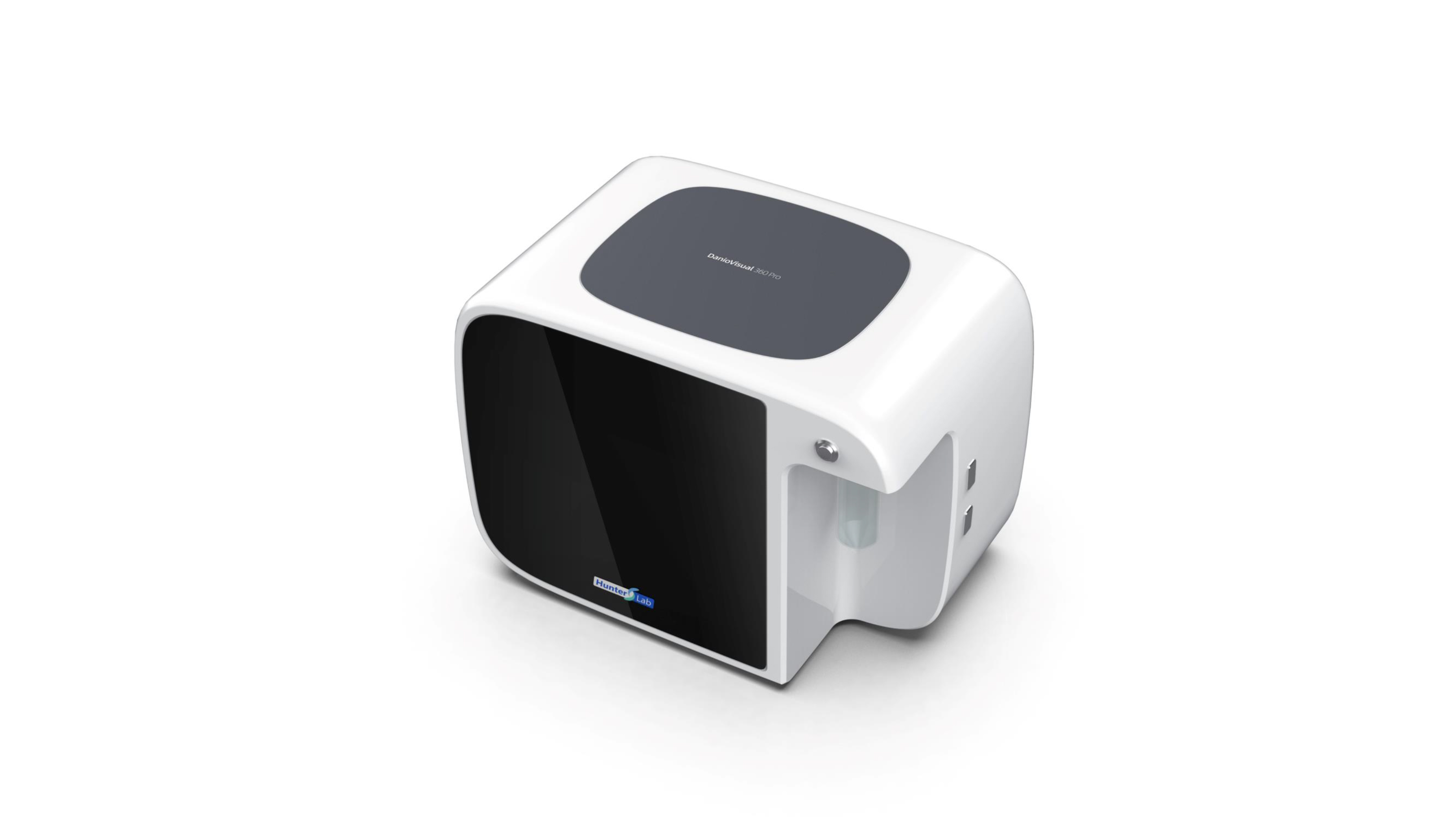
What are the data logging capabilities of a zebrafish water quality monitor?
A Zebrafish Water Quality Monitor is most useful when it does more than show a reading at the moment someone walks past a rack. Its data logging capability should turn changing water conditions into a traceable history: what was measured, when it changed, how long the change lasted, who responded, and whether the system returned to its expected operating range. For a shared facility, that history can be as important as the live display because it connects husbandry conditions to experimental context.
Continuous aquatic-monitoring designs commonly focus on temperature, pH, conductivity, and dissolved oxygen. The exact parameter set depends on the facility and sensor configuration, so a buyer should verify what a particular monitor measures rather than assume every instrument covers every endpoint. The practical question is not simply “Does it log data?” but “Can the logged data support a defensible review of water quality over time?”
What data should a Zebrafish Water Quality Monitor log?
At a minimum, good data logging preserves each measurement with a timestamp, parameter name, unit, and source location. If a facility has multiple loops, rooms, or racks, the record should make it clear which point produced the value. A raw number without location and time context is hard to investigate later.
For each supported probe, the log should retain the measured value and, where the system provides it, instrument state information such as communication loss, sensor fault, calibration due status, or an alarm event. This distinction matters. A flat line could indicate stable water quality, but it could also indicate a disconnected sensor. Records that retain device-status events make those possibilities easier to separate.
- Time resolution: Select an interval that captures meaningful changes without producing an unmanageable data volume. Fast-changing signals may need more frequent sampling than slow background trends.
- Continuity: Confirm how the system handles power interruptions, network loss, and restarted sessions. Missing periods should remain visible rather than being silently filled.
- Context: Store sensor or rack identifiers, units, alarm state, and relevant configuration changes alongside readings.
- Retention: Define how long the facility needs records for operational review, investigations, or applicable institutional requirements.
How trend analysis turns records into operational evidence
A table of readings is useful; trend analysis is what helps a team see whether a process is drifting before it reaches an alarm threshold. A monitor or its connected software may provide line charts, selectable date ranges, daily summaries, and overlays for alarm events. Those views allow staff to compare a short disturbance with a gradual shift that would be invisible in a single spot check.
For example, a recurring conductivity change after maintenance, a slow temperature rise during a busy imaging day, or repeated pH excursions at a particular time of day deserves a different response from an isolated reading. The goal is not to declare every variation a failure. Instead, the team should establish its own expected patterns, document acceptable operating ranges, and investigate changes that are unusual for that system.
Trend review is also a safeguard against a common shortcut: treating more parameters as automatically better data. Every added channel needs a defined owner, review cadence, and response rule. In practice, a smaller set of well-maintained signals with clear follow-up procedures can be more valuable than a crowded dashboard that nobody reviews.
What reporting capabilities should facilities evaluate?
Useful reporting starts with flexible export. A facility may need a simple PDF-style summary for a weekly husbandry meeting, a CSV or spreadsheet export for a deeper investigation, or an image of a trend chart for a study record. Before selecting a Zebrafish Water Quality Monitor, ask whether exports include the original timestamps, parameter units, location labels, alarms, and data gaps—not only a calculated average.
Reporting becomes more credible when it can show both the normal record and exceptions. A practical report can include the reporting period, minimum and maximum observed values, number and duration of alarms, acknowledged interventions, unresolved gaps, and reviewer sign-off where the local SOP calls for it. That format helps a facility move from “the system looked fine” to an auditable statement about what was reviewed.
Build a review routine around the record
- Assign daily or shift-level review for live alarms and sensor-status alerts.
- Set a weekly review for trend charts, recurring excursions, and missing-data periods.
- Record corrective actions in the facility’s chosen log or system, linking them to the relevant time window.
- Use monthly reporting to check calibration status, recurring conditions, and whether alarm limits remain appropriate.
Compliance and data integrity: what logging can and cannot prove
For facilities working under internal quality procedures or regulated research expectations, compliance depends on the applicable policy, jurisdiction, study type, and record-control requirements. A monitor can support that work by preserving a consistent history, controlling access where those features are available, and making reports reproducible. It does not make a facility compliant by itself.
Evaluate whether the workflow can document calibration, configuration changes, alarm acknowledgement, user actions, and corrections without obscuring the original record. If audit trails, electronic signatures, retention rules, or validated software are required for a particular program, confirm those capabilities directly with the supplier and against the organization’s quality team requirements. Do not infer them from the presence of a chart or export button.
A practical selection checklist
When comparing options, ask the supplier to demonstrate the complete path from sensor reading to historical review. Request a sample export, simulate an alarm, inspect how a data gap appears, and ask how calibration or configuration events are recorded. A strong Zebrafish Water Quality Monitor supports staff judgment with a transparent record; it should not force users to reconstruct events from memory.
The most valuable outcome is a reviewable environmental history that helps protect animal welfare, explains experimental context, and supports prompt corrective action. Start with the parameters your facility genuinely needs, define who will review the records, and choose data logging, trend analysis, reporting, and compliance-support features that match that operating plan.








