
 EN
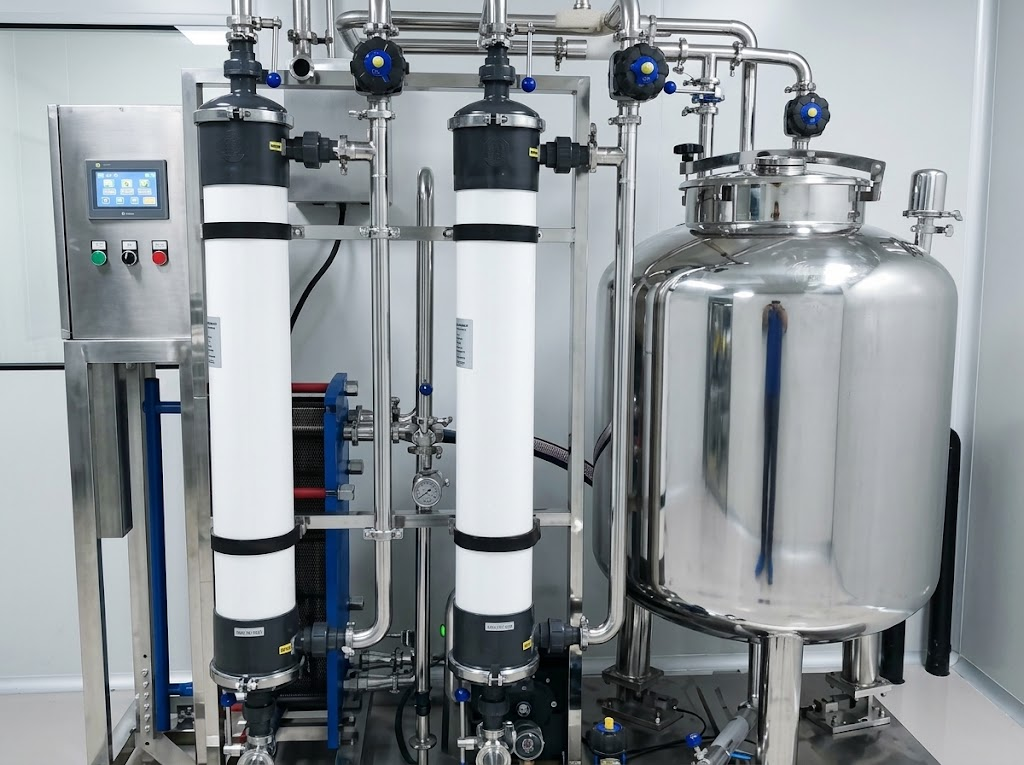
A Zebrafish Breeding System has to do more than hold adults until spawning day. It needs to support predictable pair selection, clean egg collection, traceable records, and a husbandry routine that fits the people available to run it. For a new research group, a standalone Zebrafish Breeding System can make early work manageable. For a shared facility, a centralized Zebrafish Breeding System can help align routines across many users. The more useful question is which operating model matches your colony, space, staffing, and expected growth.
For facility planning, A practical Zebrafish Breeding System should keep breeding activity visible to the team while preserving enough flexibility to change protocols, expand capacity, or isolate a workflow when research priorities shift.
Start with the breeding workflow, not the rack count
Before comparing equipment footprints, map what happens from fish selection to embryo handoff. A Zebrafish Breeding System usually supports sex separation or controlled pairing, tank or insert preparation, spawning, egg collection, labeling, cleaning, and return of adults to housing. Each handoff can introduce variation when responsibilities or records are unclear.
Ask who will prepare pairs, who checks collection timing, where embryos are counted or screened, and how breeding events are logged. A standalone Zebrafish Breeding System may suit a small team that owns all of those steps. A centralized Zebrafish Breeding System may suit a core facility where multiple projects need consistent booking, cleaning, and record conventions.
When a standalone zebrafish breeding system fits
A standalone Zebrafish Breeding System keeps the breeding workflow close to the experiment. That can be helpful for a laboratory working with a limited number of lines, changing schedules, or particular crosses. Staff can arrange tanks around a particular protocol, observe pair behavior directly, and adjust collection timing without coordinating a room-wide calendar.
- Local control: a standalone Zebrafish Breeding System lets one group own its pair setup, labels, and cleaning sequence.
- Phased entry: a laboratory can establish the breeding routine before committing to a large facility layout.
- Protocol flexibility: unusual crosses or time-sensitive embryo collection can be scheduled around one research program.
The trade-off is that distributed systems can create more separate checks for water, supplies, and documentation. A standalone Zebrafish Breeding System needs the same discipline as a larger operation: defined cleaning responsibilities, backup coverage, and a clear response when water-quality readings change.
When a centralized zebrafish breeding system fits
A centralized Zebrafish Breeding System brings breeding operations into a shared workflow. This model can make sense when a facility manages many lines, several user groups, or regular high-throughput collections. Common procedures can make training easier, and centralized logging can show which lines were paired, when embryos were collected, and whether capacity is approaching a bottleneck.
- Shared standards: a centralized Zebrafish Breeding System can align labeling, sanitation, and monitoring across users.
- Visible capacity: facility managers can plan staging space, breeding windows, and staff coverage from a single operational view.
- Repeatable handoffs: a common collection and nursery process can reduce ambiguity between animal-care and research teams.
Centralization also calls for deliberate access rules. A Zebrafish Breeding System used by many teams needs a booking method, traceable cleaning records, and contingency space for urgent crosses. Standardization should not force every study into one timetable; it should make exceptions visible and manageable.
Use water quality and monitoring as the common design layer
Whether the layout is standalone or centralized, the Zebrafish Breeding System should give staff a dependable way to monitor water conditions. Published housing guidance lists reference ranges including ammonia below 0.1 mg/L, nitrite below 0.3 mg/L, nitrate below 25 mg/L, pH 6.5 to 8, conductivity from 150 to 1700 µS/cm, and general hardness from 3 to 8 dGH. The same guidance describes daily monitoring of pH and conductivity and weekly checks of nitrogen compounds. Local veterinary oversight, approved protocols, and experimental requirements should determine the final facility plan.
For a standalone Zebrafish Breeding System, the key is making checks easy to perform and record at the point of use. For a centralized Zebrafish Breeding System, the priority is making the data understandable across rooms, shifts, and user groups. In either arrangement, a monitor without an assigned owner is not a monitoring plan.
Design for expansion without disrupting the breeding routine
A flexible Zebrafish Breeding System separates what must remain consistent from what may change. Keep documentation fields, cleaning criteria, and escalation responsibilities stable. Leave physical and scheduling room for new lines, temporary quarantine workflows, or higher collection frequency. That flexibility matters when an academic group grows into a shared resource or when a centralized facility needs a temporary local workflow for a demanding project.
When evaluating options, ask whether the layout allows staff to add capacity without rewriting every operating procedure. Before purchase, confirm what training, application consultation, and modular expansion support the supplier can provide; no configuration fits every colony in the same way.
A practical selection checklist
- Define the expected number of active lines and breeding events per week.
- Map the route from pair selection to embryo handoff and assign ownership at each point.
- Decide which records must be shared across teams and which can remain project-specific.
- Set monitoring, cleaning, and escalation responsibilities before the Zebrafish Breeding System goes live.
- Reserve a path for added tanks, new users, or temporary isolation procedures.
A well-planned Zebrafish Breeding System is not defined solely by whether it is standalone or centralized. It is defined by how well the layout supports reproducible breeding work today and orderly change tomorrow. Start with the workflow, test the handoffs, and choose the degree of centralization that your team can operate consistently.








