
 EN
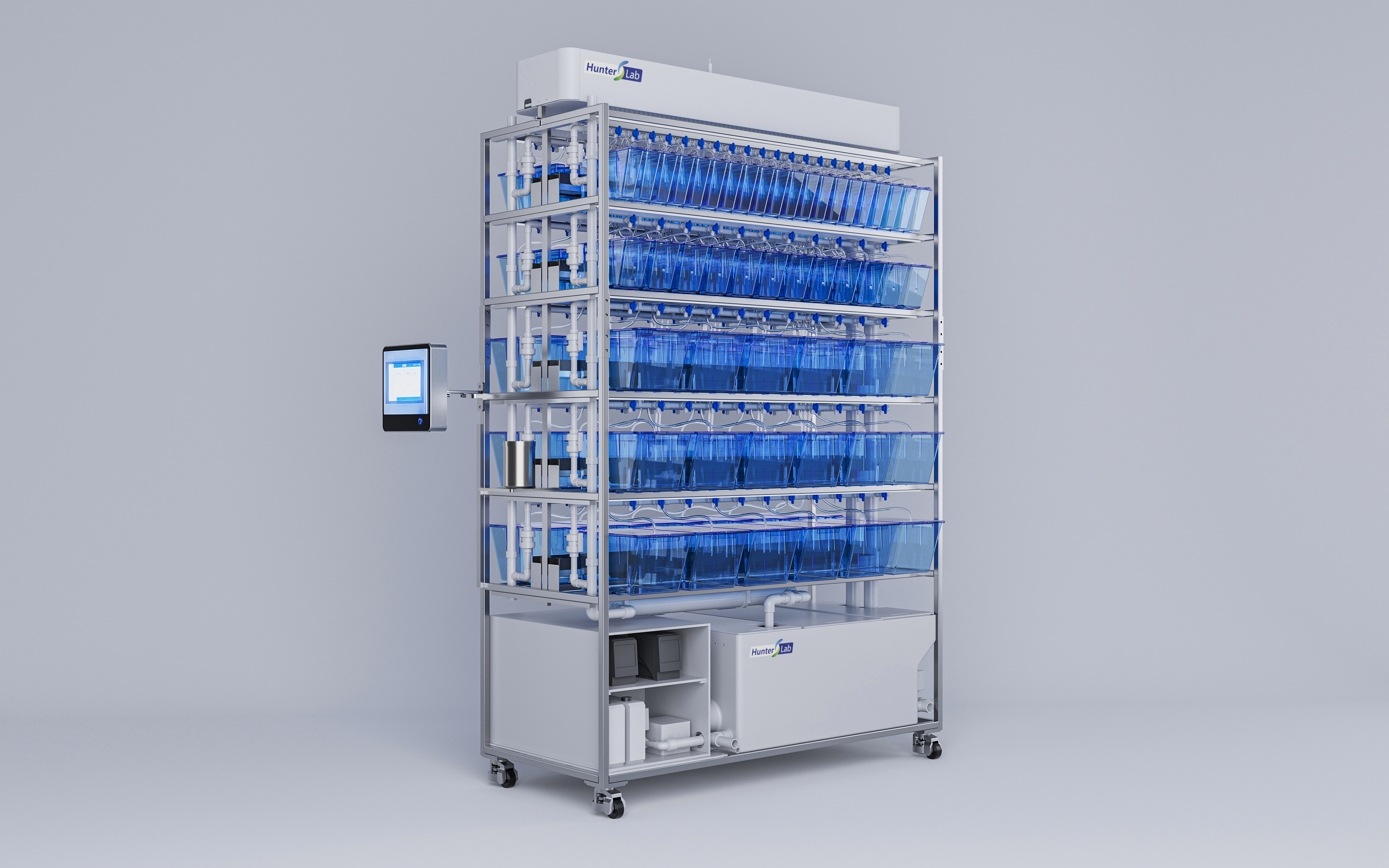
Adding a Zebrafish Automated Feeding System is not simply a way to put feed delivery on a schedule. In a busy aquatic facility, it changes a daily husbandry task into a controlled workflow with settings, handoffs, cleaning routines, and records. That is why seamless integration matters as much as the dispensing mechanism itself.
For a core facility, the useful question is not “Can the system release feed?” It is: can the Zebrafish Automated Feeding System fit the rack layout, diet plan, staffing pattern, and validation practices your lab already uses? A workable answer starts with the current workflow rather than a catalog of features.
Start with the workflow that already exists
Map one normal feeding day before changing it. Note who prepares feed, who checks tanks, when staff record exceptions, and what happens during weekends or holidays. Include upstream work such as feed storage and downstream work such as cleaning a dispenser, inspecting outlets, and documenting a missed or adjusted run. This small exercise often exposes the setup step nobody mentions: a device can be physically compatible with a rack while still creating an awkward handoff between animal-care staff and researchers.
In shared laboratories, feeding is tied to more than time. It can affect tank observations, maintenance windows, imaging schedules, and the practical rhythm of a workflow. Define those touchpoints first. For example, decide whether a scheduled run should pause during a planned tank intervention, who is allowed to change a program, and how a manual feeding event is logged. The right arrangement depends on the facility; there is no single schedule that suits every population, diet, or study design.
Make calibration a launch requirement, not an afterthought
A Zebrafish Automated Feeding System needs a local delivery check before it becomes part of routine husbandry. Particle behavior, humidity, feed formulation, tubing geometry, and outlet condition can all affect what reaches a tank. In a published report on an automated zebrafish feeder, delivery was calibrated by adjusting the container opening and servo rotation. That example is useful because it illustrates a principle, not a universal setting: local calibration is part of the system.
Build a short commissioning plan around repeatability. Run planned releases into a collection vessel, record the observed delivery, inspect distribution across the intended positions, and repeat after staff reload or clean the unit. Then compare the record with the dose your husbandry team expects. If a result drifts, investigate the feed path before changing the biological interpretation. Automation can introduce its own errors, especially when a setting is assumed to be stable after installation.
Use a simple acceptance checklist
- Confirm that each dispenser position corresponds to the correct rack location or tank group.
- Verify the program’s timing, frequency, and delivery setting against the written feeding plan.
- Record a baseline delivery check for the feed type used in the facility.
- Assign a named owner for refilling, inspection, cleaning, and exception review.
- Define the manual fallback procedure before relying on unattended runs.
This approach keeps seamless adoption concrete. It also makes it easier to train new staff: they inherit a documented process rather than an informal collection of settings.
Connect automation to husbandry decisions
A practical Zebrafish Automated Feeding System should support the decisions your team already makes. Published automated-feeder work has described configurations for feeding frequency, timing, quantity, and tank selection. Those categories make a useful review framework for any laboratory. Ask which settings are adjustable, where the changes are recorded, and how the team verifies that an adjustment has taken effect.
Do not assume that a more elaborate program produces better husbandry. Start with the smallest set of settings that your team can explain, inspect, and maintain. If different populations require different schedules, document the rationale and create a review point after implementation. A gradual rollout, using one rack zone or one well-defined population at a time, can reveal issues in integration without disrupting the entire facility.
Plan for cleaning, environment, and recovery
Dry-feed systems operate in real rooms, not ideal diagrams. Humidity, residues, refill practices, and access constraints deserve the same attention as the schedule screen. Create a cleaning and inspection cadence that states what is checked, what is replaced when needed, and how the team records an obstruction or unusual delivery. A system may be technically compatible with your racks, but it must also be accessible enough for those routine tasks to happen consistently.
Recovery planning is equally important. Decide how staff will recognize a missed run, how they will document corrective action, and when they will return to manual feeding. This is not a sign that automation is unreliable. It is normal operational design: every controlled process needs an exception path. The goal is to preserve continuity of care and make the response understandable for the next shift.
Choose support that understands zebrafish work
When evaluating a Zebrafish Automated Feeding System, it helps to work with a provider whose focus includes zebrafish instruments and applications. Hunter Lab specializes in zebrafish laboratory equipment, which can make technical conversations more relevant to the daily realities of aquatic research facilities. Still, evaluate any proposed solution against your own species stage, feed protocol, infrastructure, and institutional procedures.
Ask specific questions: What information is needed to assess placement? Which tasks remain manual? How is staff training approached? What documentation will your facility retain after installation? Those questions move the conversation from equipment selection to a sustainable workflow.
Integration is the measurable outcome
The value of a Zebrafish Automated Feeding System appears when the process is understandable from feed preparation through verification and exception handling. Rather than judging success on installation day, review whether staff can calibrate delivery, follow the cleaning plan, trace schedule changes, and respond appropriately when conditions differ from plan. That is the kind of integration that supports a laboratory over time.
Before making a final choice, turn the sections above into a site-specific checklist and review it with animal-care staff, researchers, and the person responsible for facility operations. The result should be a feeding process your team can operate deliberately, rather than treating it as an automated action running in the background.








