
 EN
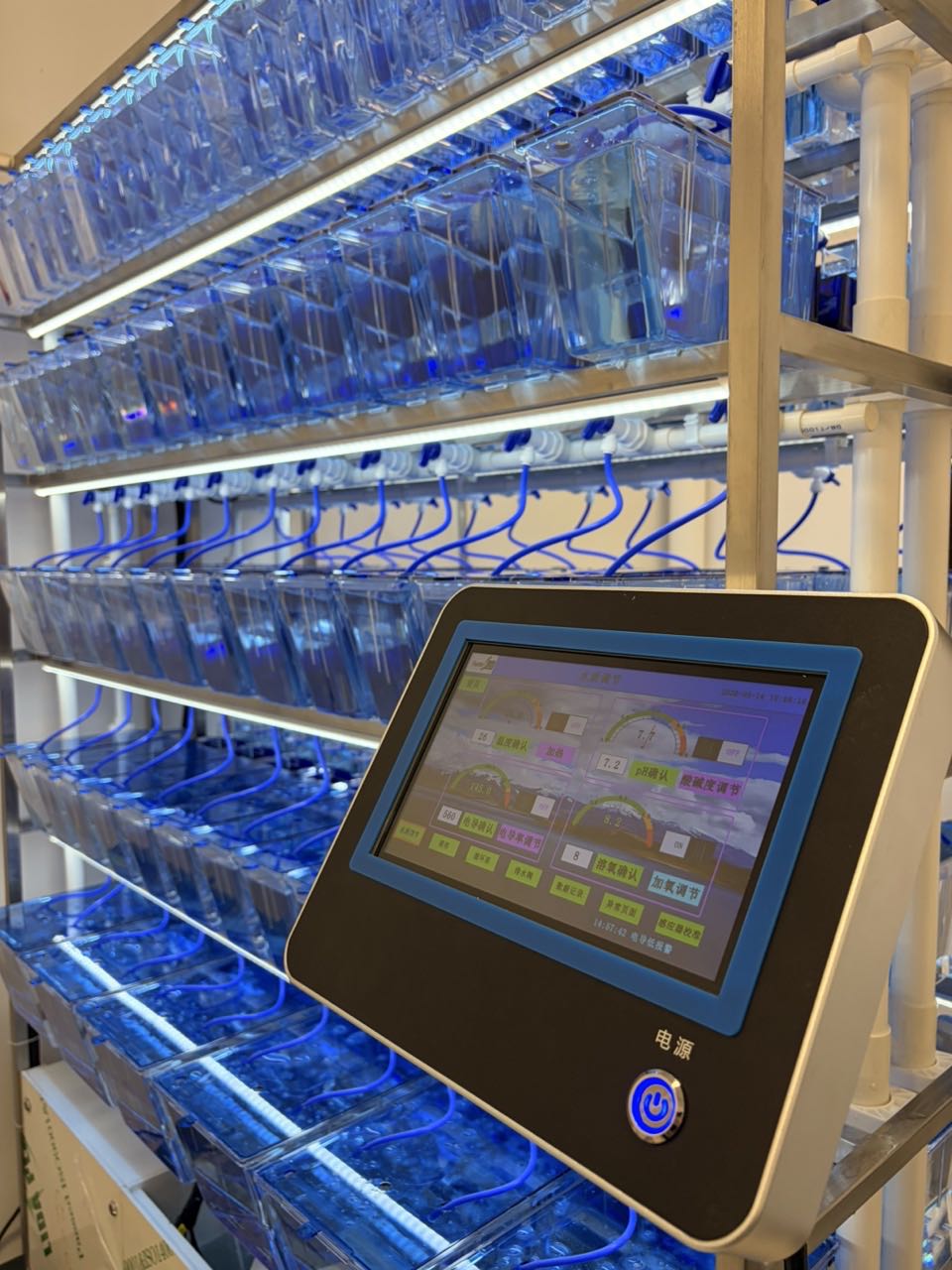
Improving Zebrafish Breeding Workflow Through Automation
Embryo collection is one of the most time-sensitive steps in zebrafish research. A healthy breeding population can produce a large number of embryos, but collecting and sorting those embryos manually often requires significant labor, careful timing, and consistent handling procedures.
An automated zebrafish reproduction system helps research facilities improve this workflow by integrating breeding management, scheduled reproduction control, and more organized embryo collection processes. Instead of relying entirely on manual observation and repeated handling, automation provides a structured approach that helps reduce unnecessary delays during daily operations.
The main goal of automation is not simply faster collection. A well-designed system aims to improve consistency, reduce operator workload, and create a more predictable breeding environment. This becomes especially valuable for facilities managing multiple breeding groups or conducting repeated experiments that require synchronized embryo availability.
How Automated Systems Improve Embryo Collection Efficiency
Traditional embryo collection usually depends on several manual steps. Staff members need to prepare breeding tanks, monitor reproductive timing, transfer fish, and collect embryos within appropriate time windows.
An automated zebrafish reproduction system can support these activities by controlling important workflow elements, including:
- Scheduled breeding cycles that reduce manual coordination.
- Controlled environmental conditions that support stable reproduction patterns.
- Organized collection procedures that simplify embryo handling.
The improvement comes from reducing small operational interruptions. In many laboratories, the biggest time losses are not caused by a single difficult task, but by repeated preparation, checking, and coordination between different daily activities.
Automation helps convert these scattered tasks into a more consistent process, allowing technical teams to spend more time on research activities rather than routine management.
The Technology Behind Automated Zebrafish Reproduction
The working principle of an automated reproduction system combines mechanical design, environmental control, and workflow management. The system is typically designed around the natural reproductive behavior of zebrafish.
A common process includes:
- Maintaining breeding conditions within controlled parameters.
- Supporting scheduled mating periods.
- Separating or collecting embryos according to operational requirements.
- Improving visibility and access during routine procedures.
The system does not replace biological understanding. Zebrafish reproduction is still influenced by factors such as genetics, nutrition, environmental conditions, and fish health. Automation provides better process control, but successful breeding still depends on proper husbandry practices.
A comparison between manual workflows and automated approaches can help explain the practical differences:
| Workflow Factor | Manual Embryo Collection | Automated Reproduction System |
|---|---|---|
| Breeding schedule management | Requires frequent operator coordination | More structured scheduling process |
| Collection timing | Depends on staff availability | Supports planned collection periods |
| Daily workload | Higher repetitive handling requirements | Reduced routine intervention |
| Process consistency | May vary between operators | More standardized workflow |
| Data organization | Often managed through manual records | Easier integration with digital tracking |
The purpose of automation is not to remove researchers from the process, but to create a more stable foundation for laboratory operations.
Engineering Experience Highlights the Value of Workflow Design
During a laboratory workflow improvement project at a life science research facility, technical staff reviewed embryo collection procedures after noticing that daily preparation tasks were affecting research schedules. The issue was not caused by fish reproduction performance itself, but by repeated manual steps required before and after breeding periods.
After reorganizing the workflow and introducing more automated management methods, the facility achieved smoother daily operations and reduced unnecessary handling activities. The project showed that improving the overall process design often creates more value than focusing only on individual equipment features.
This type of experience is common in research environments. Equipment performance matters, but practical usability, maintenance convenience, and compatibility with existing procedures are equally important factors.
Balancing Automation Benefits with Real Laboratory Requirements
Although automated reproduction systems provide clear workflow advantages, they are not a universal solution for every facility. Smaller research groups with limited breeding activities may find manual approaches sufficient.
Before selecting an automated zebrafish reproduction system, several factors should be evaluated:
- The number of breeding groups managed regularly.
- The frequency of embryo collection requirements.
- Available laboratory space and operational procedures.
- Staff experience with automated equipment.
Industry guidelines for zebrafish care, including recommendations from research organizations and laboratory animal management groups, emphasize the importance of maintaining stable environmental conditions and proper handling procedures. Automation should support these principles rather than replace them.
A realistic evaluation considers both advantages and limitations. Automated systems can improve repeatability and reduce routine workload, but biological variation remains a natural part of zebrafish research.
Selecting the Right System for Long-Term Research Operations
For growing research facilities, embryo availability often becomes an important factor affecting experimental planning. A reliable reproduction workflow helps researchers organize studies more effectively and maintain consistent sample preparation.
The most suitable system depends on operational goals rather than simply the highest level of automation. Key considerations include workflow flexibility, equipment reliability, manufacturing quality, and supplier support capability.
Hunter Lab focuses on laboratory equipment manufacturing with attention to production control, quality management, and supply chain coordination. Through practical engineering experience and manufacturing capabilities, Hunter Lab supports research facilities seeking stable and efficient solutions for zebrafish reproduction workflows.








