
 EN
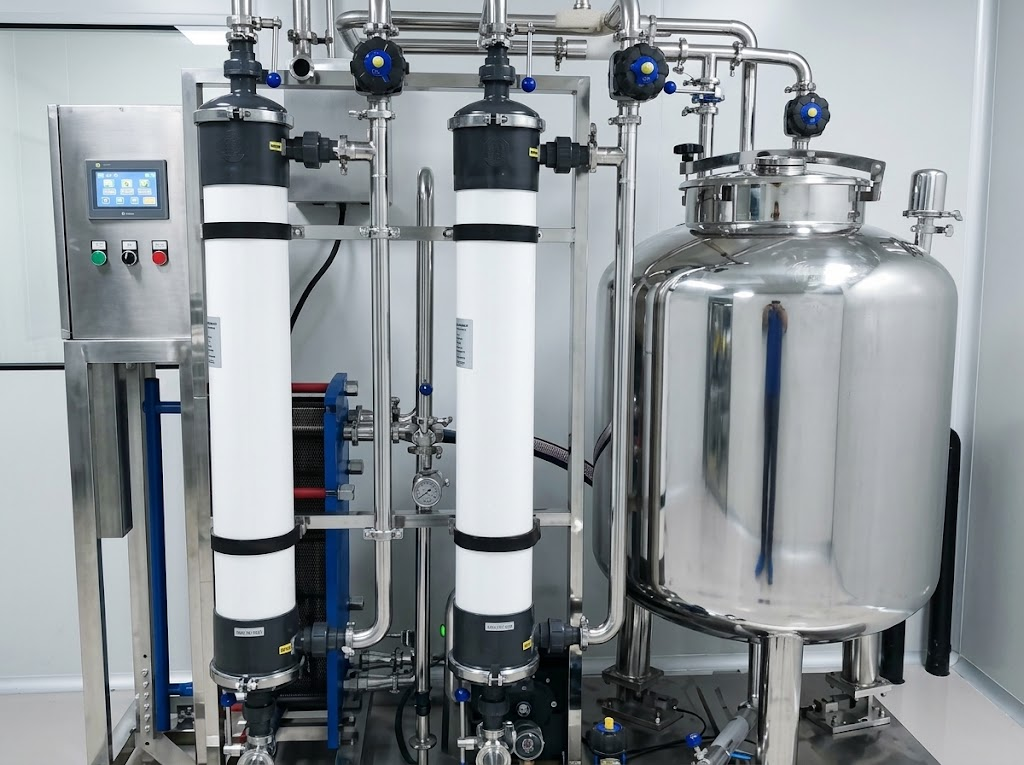
How to Maintain Constant Flow for 30+ Days in Zebrafish Exposure Systems
A Zebrafish Flow-Through Exposure System can look stable on day one and still drift enough by week three to weaken confidence in an exposure study. For a core facility or study team, the useful goal is not simply to see water moving. It is to demonstrate that each exposure chamber receives the intended, repeatable delivery throughout the run and that any deviation is found early enough to protect the data.
Long studies make small operating problems consequential. A slowly fouling screen, a pinched tube, a reservoir level change, or an unnoticed air pocket can alter residence time and exposure conditions without producing an obvious alarm. The maintenance approach below treats constant flow as a documented control, not a one-time setup task.
Start with a flow definition that can be checked
Before animals or test material enter the system, write down what “in control” means for each channel. In a Zebrafish Flow-Through Exposure System, that definition should identify the intended delivery rate, the acceptable operating band approved in the study plan, the measurement method, and the person responsible for review. Use the same collection vessel, timing interval, and reading convention every time. Changing the method mid-study can make an apparent trend impossible to interpret.
Map the hydraulic path from source reservoir to chamber outlet. Include pumps, manifolds, tubing, connectors, flow restrictors, filters, screens, valves, and waste lines. Give each channel a durable label. This simple map matters when a multi-channel system develops a difference: it helps the operator isolate the branch instead of making broad adjustments that disturb every chamber.
Build stability into the first day
Prime the whole liquid path
Prime lines deliberately and remove visible bubbles before the exposure clock starts. A bubble can compress, migrate, or interrupt a narrow path; it is not merely cosmetic. Inspect low points, joins, and vertical rises where air commonly collects. After priming, let the system run long enough to confirm that measured output is stable rather than recording a single favorable reading.
Balance resistance across channels
Parallel channels do not automatically share flow equally. Tubing length, inner diameter, connector geometry, debris, and valve position all contribute resistance. Keep channel hardware as matched as the protocol permits, and record any deliberate difference. When one branch reads low, inspect that branch first for obstruction or a routing error instead of increasing pump output for the entire Zebrafish Flow-Through Exposure System.
Protect the source condition
For a long-term run, source volume and mixing are part of flow reliability. Confirm that reservoir replenishment, mixing, and level control follow the study plan. A falling level can change pump behavior, while poor mixing can make a stable volumetric rate look better than the actual exposure delivery. Keep sample-taking practices separate from replenishment practices so neither silently changes the other.
Use a daily routine that finds drift early
A practical daily check is short, consistent, and recorded. The exact acceptance limits belong in the protocol, but the routine should answer the same questions each day:
- Is the measured outlet flow for every active channel within its approved band?
- Are reservoir levels, pump operation, and visible mixing normal for the planned run?
- Do tubing, connectors, chamber screens, and waste paths show leaks, kinks, fouling, deposits, or bubbles?
- Is the water pathway free of feed residue, biofilm, shed material, or precipitate that could increase resistance?
- Were any adjustments made, and was flow rechecked after the adjustment?
The important habit is trend review. Record values in a channel-by-channel log and look at direction, not only pass/fail status. A channel that remains technically inside its band but declines for several days deserves investigation before it becomes a failed channel. This is especially valuable in long-term work, where a gradual change can align with biological observations and create an avoidable confound.
Separate flow problems from exposure-chemistry problems
When results become inconsistent, do not assume the pump is the cause. First verify physical delivery with the same measurement method used at setup. Then review reservoir preparation, replenishment, mixing, sample timing, and handling records. In a Zebrafish Flow-Through Exposure System, a normal outlet rate does not by itself prove that every chamber received a consistent concentration; it proves only that hydraulic delivery met the selected check.
This distinction keeps troubleshooting disciplined. A low-flow finding points to the pathway. A concentration or response anomaly with normal flow points to additional questions about the source, stability, sampling, or biology. Documenting both observations prevents a later review from treating unlike problems as one event.
Schedule preventive service around known sources of resistance
Many flow failures are gradual. Put cleaning and inspection tasks on a schedule that is appropriate for the water chemistry, feed load, organism stage, and equipment instructions. Screens and filters need attention before they visibly block. Tubing needs inspection before it hardens, clouds, collapses, or accumulates deposits. Waste paths need confirmation because a downstream restriction can affect upstream chamber behavior.
Do not turn preventive maintenance into undocumented mid-run redesign. If a component is cleaned, replaced, or re-routed, record the reason, time, affected channels, and post-service flow verification. Where the study plan requires it, document the impact assessment and any corrective action. A clear maintenance record is more useful than a memory of having “fixed the line.”
Create an escalation rule before a 30-day run begins
The most reliable teams decide in advance what happens when flow is outside the approved band, trending downward, or impossible to measure. An escalation rule can specify who is notified, which observations must be recorded, whether the affected channel is isolated, how the exposure interval is assessed, and when a corrected reading must be obtained. Conditional qualification matters here: the right response depends on the approved study plan, the duration of the deviation, and whether other exposure controls were affected.
One setup step is often missed: verify the backup path under normal conditions. If a spare pump, tubing set, or power plan exists, make sure the team can use it without improvising connections during an active study. Reliability improves when the response is rehearsed rather than invented at the moment of failure.
Make the log useful at the final review
For each check, capture date and time, operator, channel identifier, measured flow, method, reservoir observation, visible condition, action taken, and recheck result. Include photographs only when they are permitted and genuinely help document a leak, deposit, or tubing issue. At the end of a 30+ day study, this log lets the team connect operational events to data interpretation without overstating cause and effect.
In practice, the most dependable Zebrafish Flow-Through Exposure System is maintained through repeatable measurement, early trend detection, controlled cleaning, and transparent documentation. Constant flow is not a promise made at installation. It is evidence accumulated every day of the exposure.
Operational checklist for long-term reliability
- Define channel-specific flow targets, approved bands, and one repeatable measurement method.
- Prime, inspect, and stabilize all paths before the exposure begins.
- Measure and log each active outlet on a fixed daily schedule.
- Review trends and investigate a persistent decline before it becomes an out-of-band event.
- Control solids, deposits, reservoir level, and waste-path restrictions through planned maintenance.
- Document every intervention and verify flow again after service.
- Use prewritten escalation and backup procedures when a deviation occurs.
With those controls in place, constant flow, long-term consistency, and operational reliability become reviewable parts of the study rather than assumptions.








