
 EN
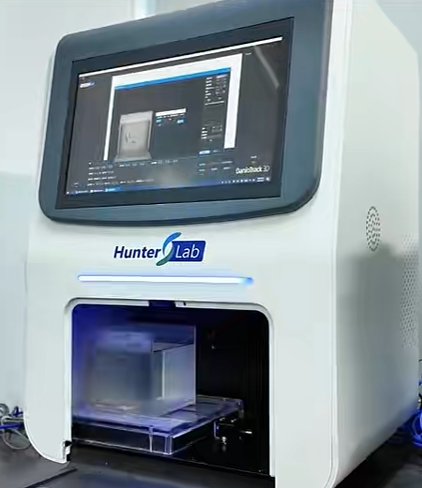
A zebrafish facility does not stop needing attention when staff leave the room. Water conditions can drift between morning rounds, during weekends, or while a core team supports experiments elsewhere. A Zebrafish Water Quality Monitor gives staff a shared view of selected system conditions, so remote management becomes a defined operating process rather than a chain of phone calls after a problem is discovered.
For a core facility, the value is not simply seeing numbers on a screen. It is connecting measurements, alert rules, responsibility, and follow-up notes in a way that protects animal welfare and experimental continuity. A monitor can flag a change, but the facility still needs people who know what a change means in the context of its own systems and protocols.
How a Monitor Changes the Daily Workflow
Water quality is part of the experimental environment. Temperature, pH, conductivity, dissolved oxygen, and nitrogen-related waste indicators may all matter, depending on facility design and monitoring plan. Published guidance illustrates the point rather than setting a universal rule. For example, one academic program lists a 28 °C target, pH 7.5, and conductivity around 1250 µS alongside tolerable ranges. Each facility should document its own validated operating ranges, husbandry requirements, and escalation thresholds.
Without remote management, a deviation is often found at the next scheduled inspection. That may be acceptable for a stable, low-risk condition, but it is a weak fit for a fast-moving fault such as a temperature-control issue, circulation interruption, or unexpected pH shift. A Zebrafish Water Quality Monitor helps a team review current status without requiring every decision-maker to be beside the rack.
The workflow changes in three ways. First, it consolidates a facility view. Instead of collecting readings from separate displays and handwritten logs, a monitoring workflow presents selected measurements for each system in one place. This makes it easier to ask whether a signal is isolated to one tank loop, one room, or several systems. Second, it creates an alert-to-action path. Alerts are most useful when they trigger an assigned response, not just a notification. Third, it preserves context for the next shift. Timestamped cloud data can show whether a parameter changed suddenly, followed a maintenance event, or rose and fell with a recurring pattern.
What Mobile Access Should Enable
Mobile access should be designed around decisions that staff can safely make away from the facility. At minimum, it can let authorized users check status, acknowledge an alert, review a recent trend, and see whether another team member has taken ownership. For managers supporting multiple rooms or locations, that is a meaningful improvement over waiting for an end-of-day report.
However, mobile access needs boundaries. Remote users should not rely on a single reading to make an irreversible change, and permissions should distinguish between viewing, acknowledging, and changing alarm settings. Practical experience shows that the most dependable workflows make the next physical verification step clear: which system to inspect, who is responsible, and what to record after the check.
Using Cloud Data for Better Facility Decisions
Cloud data is valuable when it turns history into a better operating baseline. Over time, a facility can compare the timing of alerts with water changes, filter service, loading changes, or other documented events. This helps staff identify recurring issues and evaluate whether alert thresholds are producing useful early warnings or unnecessary noise.
The goal is not to collect every possible measurement. More parameters do not automatically produce better decisions. Start with the variables that the facility can maintain, verify, and act on. Then agree on data retention, access control, sensor-check records, and a review cadence. A weekly review of exceptions may reveal a pattern that is easy to miss during individual responses.
A Practical Remote Management Checklist
A remote management plan should be simple, rehearsed, and documented. The following table outlines a practical framework.
| Step | Action | Documentation |
|---|---|---|
| Define parameters | Choose measurements tied to validated husbandry and maintenance plans. | List of monitored variables and why they were selected. |
| Set local thresholds | Use facility-specific baselines for warning and critical limits. | Rationale for each threshold. |
| Assign alert ownership | State who receives each alert level and who covers after hours. | On-call schedule and escalation path. |
| Verify before intervention | Confirm abnormal readings with physical checks and equipment inspection. | Record of verification and initial findings. |
| Record the response | Link alert, observations, corrective action, and result. | Shift handoff notes and closure record. |
| Review trends | Use cloud data to spot repeated deviations after maintenance or operational changes. | Periodic trend review summary. |
| Maintain sensors and access | Calibration, cleaning, cybersecurity, and role-based permissions. | Maintenance log and access control list. |
Common mistakes also deserve attention. The first is treating generic published ranges as if they were a complete facility protocol. They are useful reference points, but strains, water sources, system design, and approved procedures can differ. The second is alert fatigue. If staff receive repeated messages that do not lead to meaningful action, they may stop trusting the alert process. The third is assuming that a remote dashboard proves the underlying sensor is correct. Sensor maintenance and verification remain essential.
There is also a workflow mistake: buying monitoring capability before assigning ownership. A Zebrafish Water Quality Monitor is most useful when it fits a simple, rehearsed response plan. What should happen if a reading crosses the warning threshold at 7 p.m.? Who checks the system? Where is the response logged? Those questions should have answers before an urgent alert arrives.
Turning Visibility Into Facility Resilience
Remote management is most useful when it makes the facility calmer, not noisier. With defined thresholds, mobile access for the right people, and cloud data that preserves the history behind an alert, a Zebrafish Water Quality Monitor can help teams respond earlier and communicate more clearly. It supports consistent oversight across busy schedules while keeping hands-on verification at the center of husbandry decisions.
For facilities planning an upgrade, begin with the workflow: the parameters to watch, the decisions each alert should support, and the records that will make the next response more informed. Technology then becomes a practical layer of operational discipline rather than another disconnected screen. Hunter Lab supports zebrafish laboratories with monitoring and environmental control equipment designed for core facility workflows. The company's experience covers sensor integration, data management, and the operational realities of maintaining zebrafish colonies. For facilities evaluating remote management options, Hunter Lab offers a partner that understands how monitoring fits into daily husbandry and research support.








