
 EN
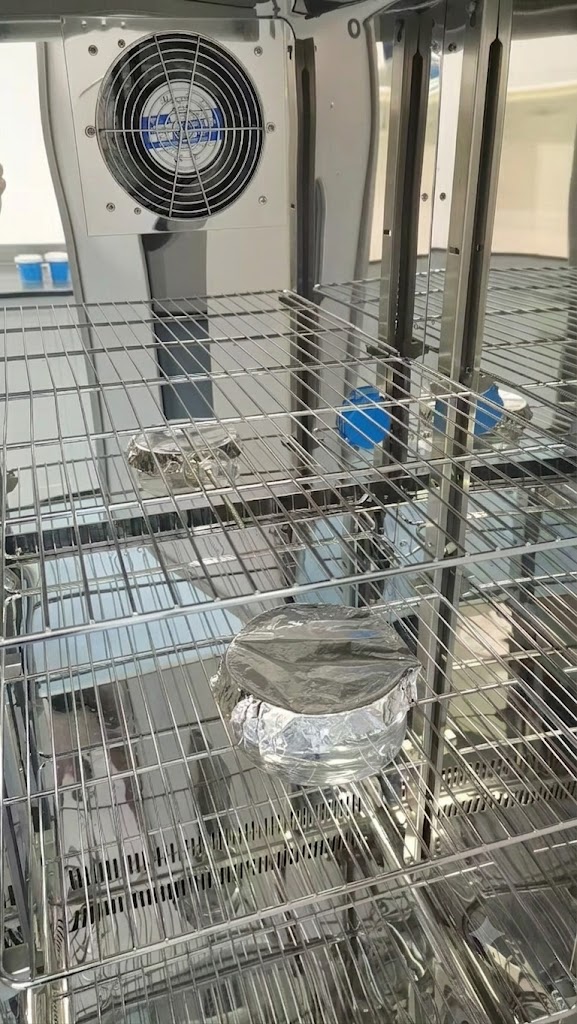
In embryo-based safety work, a Zebrafish Incubator is not simply a place to hold plates. It is part of the experimental environment that helps a lab keep developmental timing, exposure conditions, and observation windows interpretable. For teams running toxicology testing, the useful question is not whether a Zebrafish Incubator can replace assay design or endpoint review. It cannot. The question is whether it gives the workflow a stable, documented setting while embryos develop during an exposure study.
From a drug-discovery perspective, that distinction matters. A small shift in incubation conditions can complicate the comparison between treated and control groups. This is the kind of question where the details of your setup matter a lot: the plate format, medium, light schedule, temperature verification, and handling routine all belong in the study record.
Why incubation belongs in the toxicology workflow
A zebrafish embryo study usually has three connected parts: preparing the exposure, maintaining embryos during the observation period, and recording endpoints. A Zebrafish Incubator supports the middle part by creating a controlled location for plates or vessels between checks. That helps the team separate a possible compound-related observation from a change caused by an inconsistent holding environment.
For example, OECD Test Guideline 236 describes fish embryo acute toxicity testing with newly fertilised zebrafish eggs exposed for 96 hours and reviewed at 24-hour intervals. The guideline includes temperature control within the test chambers as a validity condition. A Zebrafish Incubator therefore supports good laboratory practice by making the environmental part of that schedule easier to manage and document; it does not, by itself, make a study compliant with any method or regulatory requirement.
Incubation affects the pace of development. That is important because a delayed developmental feature, a missed heartbeat, or an altered hatching pattern has meaning only against an appropriate developmental baseline. Temperature can influence developmental timing, so the setpoint should be justified by the assay and verified where the samples are actually held. If your protocol uses the FET framework, current applicable guidance should be checked rather than copied from a general zebrafish husbandry routine.
What a Zebrafish Incubator contributes during exposure
The practical contribution of a Zebrafish Incubator is repeatability of the holding environment. When replicate plates experience similar conditions, the lab has a clearer basis for comparing concentration groups, runs, and control performance. A Zebrafish Incubator can also reduce the number of ad hoc moves between rooms, benches, and shared equipment, which is useful when timed observations must be consistent.
Still, the equipment should be viewed as one control within a broader system. Before an exposure begins, teams should define how they will verify temperature, manage light and dark periods if relevant, label plates, monitor water or medium quality, and record deviations. The incubator display alone is not a complete verification plan. A sensible workflow uses independent checks appropriate to the assay and records what happened at each scheduled observation.
A representative plate workflow
- Prepare treatment and control plates according to the approved protocol, with traceable labels.
- Confirm the intended holding conditions before placing embryos in the Zebrafish Incubator.
- Place comparable groups consistently so the physical arrangement does not become an unrecorded source of variation.
- At each observation window, remove only the plates needed, document findings, and return them promptly to the Zebrafish Incubator.
- Log deviations such as an out-of-range reading, an extended door-open interval, or an unexpected interruption.
This approach does not remove biological variation. It makes one major part of the environment more visible and more manageable, which is valuable when the observed effect is subtle.
How controlled incubation helps interpret endpoints
In a 96-hour embryo toxicity workflow, researchers may record observations such as egg coagulation, lack of somite formation, failure of tail-tip separation, and lack of heartbeat. These are biological observations, not incubator readouts. Yet a Zebrafish Incubator supports their interpretation because it helps maintain a known environmental context while those endpoints emerge.
Consider a lab comparing several concentrations after a defined exposure. If the control group develops differently from its expected baseline, the team needs to investigate more than compound concentration. Handling time, plate placement, temperature stability, and normal stage-related development may all be relevant. A Zebrafish Incubator gives the team an environmental control point to review rather than leaving that condition implicit.
The same principle applies to incubation before imaging or scoring. Keep the transfer process consistent, establish how long plates are outside the chamber, and avoid treating a single assay condition as universal. In practice, the more precise the endpoint, the more important it is to understand the context in which the embryos were held.
Selection questions for a Zebrafish Incubator
When evaluating a Zebrafish Incubator, begin with the assay instead of a marketing checklist. The right approach depends heavily on the required temperature range, plate capacity, workflow throughput, room conditions, and documentation practices. A Zebrafish Incubator for routine embryo holding may need different features from equipment used in a tightly scheduled developmental toxicology program.
- Temperature control and verification: Ask how the usable range, uniformity, recovery after access, and independent verification fit your protocol.
- Capacity and layout: Confirm that plate arrangement allows clear sample identification and a repeatable loading pattern.
- Light management: Decide whether a controlled light cycle matters to your study design and how it will be documented.
- Cleaning and access: Review how the chamber can be cleaned and how frequent access may affect the routine.
- Records and support: Match the instrument to the monitoring, maintenance, and training expectations of the lab.
For facilities building zebrafish capabilities, a specialist conversation can be helpful because assay design, housing practice, and instrumentation are interdependent. Hunter Lab focuses on zebrafish instruments and applications, so the discussion can start with the intended research workflow rather than a generic appliance specification.
Where the Zebrafish Incubator fits—and where it does not
A Zebrafish Incubator supports controlled incubation; it does not establish chemical concentration, select endpoints, validate an assay, or determine the biological meaning of a result. Those responsibilities stay with the protocol, controls, trained operators, and scientific review. That boundary is useful because it keeps procurement decisions grounded in the actual test workflow.
For toxicology testing, the strongest use case is straightforward: use a Zebrafish Incubator to hold embryos under defined conditions, record those conditions, and make scheduled observations easier to compare. When paired with an appropriate protocol and disciplined documentation, a Zebrafish Incubator becomes a practical part of a more interpretable embryo testing program.








