
 EN
Why Embryos Are Vulnerable to Microbial Buildup
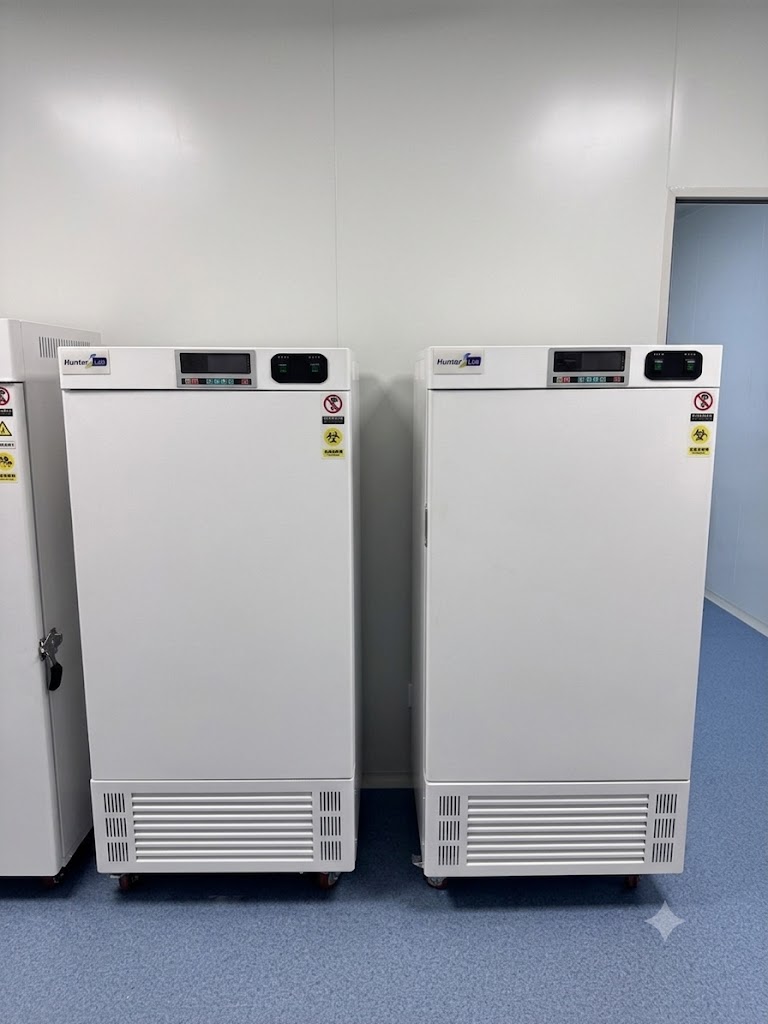
A zebrafish incubator does more than hold embryos at a target temperature. In a well-run embryo workflow, it reduces the warm, wet, nutrient-rich microenvironments that allow fungal growth and bacterial growth to take hold. No enclosed cabinet makes an embryo batch sterile, but a properly designed and maintained incubator can make contamination easier to prevent, spot, and contain.
Zebrafish embryos are often held in small volumes of embryo medium. At incubation temperature, organic residue, dead embryos, feed particles carried on tools, and standing droplets become opportunities for microbes. Fungal growth may first appear as fuzzy material around compromised eggs, while bacterial growth can show up as cloudiness, odor, surface film, or an unexplained decline in embryo quality. Those signs are a prompt to isolate affected material and review the workflow, not a diagnosis on their own. Contamination control is a system: incubator, media preparation, plates, tools, handling routine, and cleaning record all have to work together.
Stable Temperature and Airflow Reduce Damp Pockets
A reliable zebrafish incubator keeps temperature from drifting during the day or cycling sharply after doors are opened. Embryos develop more consistently when their environment is stable, and staff can distinguish a husbandry issue from a temperature event instead of chasing several changing variables at once.
Temperature control does not directly kill fungi or bacteria. Warm conditions can actually support microbial metabolism if other controls fail. The protective value comes from avoiding overheating, repeated swings, and condensation patterns that create wet pockets. Condensation is easy to overlook. Water collecting on lids, shelf edges, or door seals can carry organisms between surfaces. An incubator with orderly airflow and clean, dry interior surfaces helps prevent persistent damp zones and makes spills visible before they become a recurring source.
Place plates so air can circulate and avoid blocking vents. Do not overcrowd shelves, because crowded loads obstruct airflow and make it harder to inspect every plate. Remove spills promptly using the disinfectant and contact time approved by the facility. Check seals, drain points, trays, and shelf corners during routine cleaning, not only after a problem occurs. A useful question for any team is where water can sit unnoticed for several days. Those locations deserve a defined inspection step.
Cleanable Surfaces Interrupt Surface Transfer
A zebrafish incubator is easier to keep clean when shelves, racks, and drip trays can be removed and disinfected without leaving inaccessible joints. Fungal growth and bacterial growth are often introduced on surfaces or through handling rather than appearing spontaneously in a closed chamber.
Published work on zebrafish facilities has evaluated cleaning and disinfection for shared items such as nets, tanks, and lids. The same operational lesson applies to incubation accessories. Cleaning removes residue, while an appropriate disinfectant step reduces the remaining microbial burden. Follow local standard operating procedures for product choice, concentration, contact time, rinsing, and staff protection. Do not mix cleaners, and do not introduce a disinfectant around embryos unless that use has been explicitly approved for the protocol.
| Risk Point | Why It Matters | Practical Control |
|---|---|---|
| Condensation on lids and seals | Carries organisms between surfaces | Inspect and dry during routine cleaning |
| Crowded shelves | Blocks airflow and hides spills | Keep spacing and limit plate density |
| Damaged lids | Causes uneven evaporation and droplets | Replace before loading |
| Shared tools | Transfers residue between batches | Dedicate and disinfect between uses |
| Dirty drip trays | Harbors persistent moisture | Remove and clean on a set schedule |
UV Treatment Limits and Early Removal
UV sterilization is sometimes part of the broader water-management system serving a zebrafish room. When water passes through a correctly specified and maintained UV unit, exposure can reduce viable microorganisms in that stream before it reaches tanks or preparation points. This can lower the opportunity for bacterial growth, especially in recirculating workflows.
UV sterilization has clear limits. It treats only the water that receives an adequate dose. It does not clean a dirty plate, remove biofilm from tubing, or sanitize the air and interior surfaces of a zebrafish incubator. UV lamp age, sleeve fouling, flow rate, and water clarity all influence performance. Treat it as one barrier in a layered program with documented maintenance, rather than as a reason to relax cleaning practices.
The most effective contamination response is often early action. Inspect embryo plates on a schedule, remove dead or visibly compromised embryos using clean tools, and separate suspicious plates from unaffected batches. An incubator with labeled shelf zones can support this workflow by keeping new, observation, and isolated material distinct. For batches with an established sanitation protocol, facilities may use controlled rinsing or approved embryo disinfection steps. Those methods need local validation because strain, developmental stage, embryo medium, and research purpose can affect what is appropriate.
A Practical Contamination-Control Checklist
Confirm incubator temperature and record any deviation before loading embryos. Load only clean, labeled plates and avoid placing wet containers directly onto shelves. Keep plates spaced for airflow and inspect lids for condensation. Check batches at defined intervals and remove affected embryos with clean, dedicated tools. Clean spills immediately and disinfect removable parts on the established schedule. Maintain the water system and verify UV sterilization according to the manufacturer and facility maintenance plan. Document recurring fungal growth or bacterial growth patterns so the team can trace a shared source.
A zebrafish incubator helps prevent fungal growth and bacterial growth by providing stable conditions, reducing condensation-prone areas, supporting cleanable workflows, and fitting into a broader barrier strategy that may include water treatment and UV sterilization. The strongest result comes from consistent habits: clean inputs, careful handling, routine inspection, and fast isolation of anything unusual. Hunter Lab supports zebrafish laboratories with incubators and environmental control equipment built for controlled aquatic research. The company's experience covers incubator design, temperature control, and the operational realities of maintaining zebrafish colonies. For facilities building an embryo-quality program, Hunter Lab offers a partner that understands how equipment, handling, and cleaning routines work together to reduce contamination risk.








