
 EN
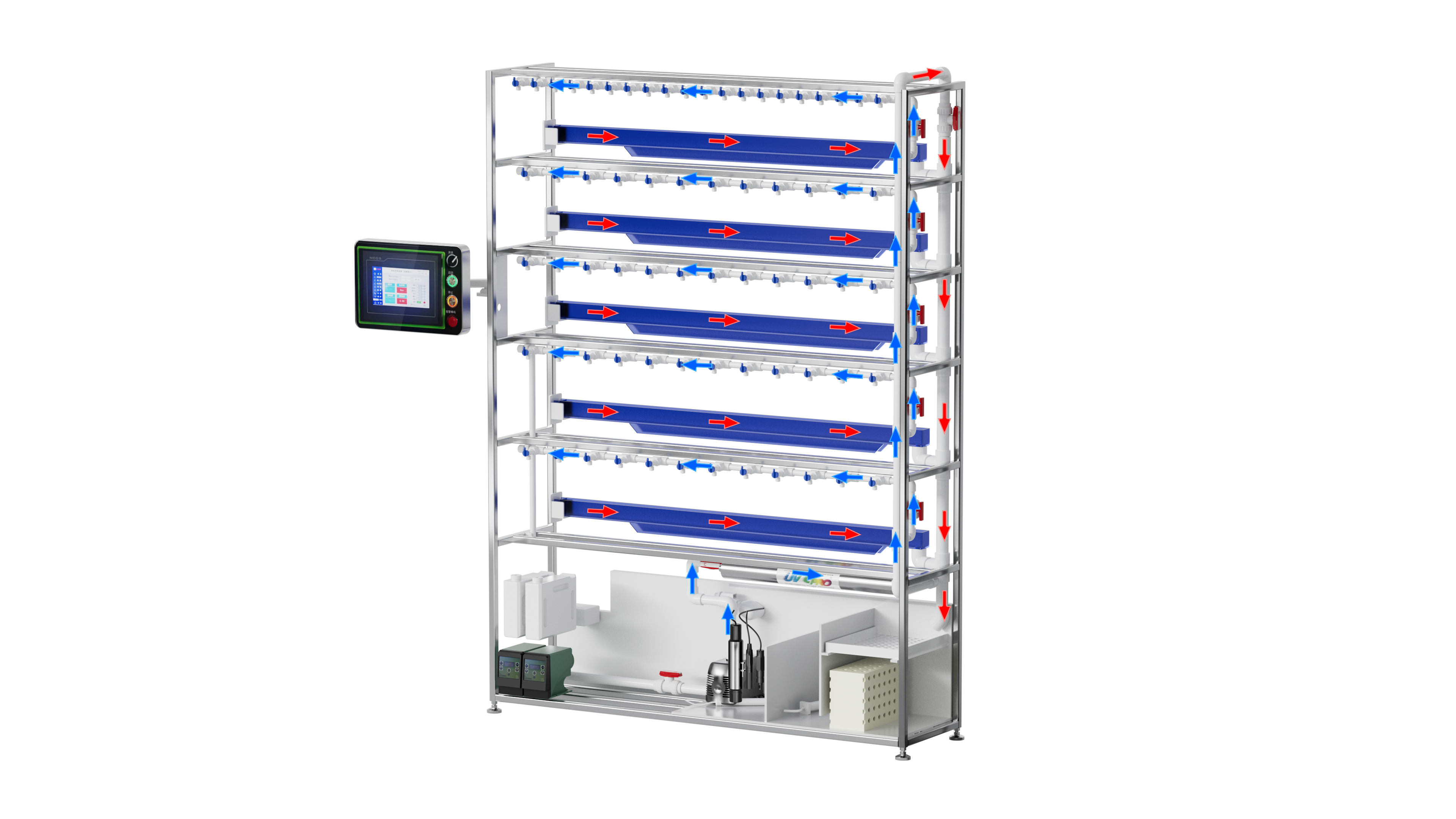
How does a zebrafish automated feeding system adjust portions for different age groups?
A Zebrafish Automated Feeding System does not decide what a fish needs simply by dispensing the same scoop to every tank. Its useful role is to turn a facility’s approved feeding plan into consistent, tank-specific delivery. That means setting a baseline by life stage, then adjusting for biomass, density, diet format, observed consumption, and the health of the group.
From a core-facility perspective, the important question is not “what is the appropriate starting dose?” It is whether the Zebrafish Automated Feeding System delivers the intended ration reliably enough that staff can see when the biological plan needs revision. Feed type, strain, water conditions, stocking density, and the local SOP all matter. A program that works well in one room should be validated before it is copied to another.
Start with a feeding program, not a dispenser setting
The controller in a Zebrafish Automated Feeding System usually manages variables such as tank identity, delivery time, feeding frequency, and a calibrated output unit. Those settings are operational controls; they are not substitutes for a husbandry decision. Before programming the system, a facility should define its diet, target cohort, feeding frequency, and the observations that will trigger a change.
This distinction matters because food particles, appetite, and growth expectations shift rapidly during early development. A practical system therefore stores a different recipe for each cohort rather than treating a “portion” as a fixed volume across the facility. The starting recipe should come from the facility veterinarian, animal-care program, or validated local protocol.
How portion adjustment changes by life stage
Larval fish: prioritize accessibility and frequent observation
For larvae, a Zebrafish Automated Feeding System must account for very small food particles and the fact that a small mechanical output can represent a meaningful biological change. A systematic review of zebrafish feed intake summarized proposed daily rates around 9–10% of body weight for larvae, but that figure is a research-derived starting point—not a universal machine setting. The appropriate dose still depends on the diet, larval age, density, and environmental conditions.
In practice, the larval program often uses smaller deliveries spread across the approved schedule. The facility should watch whether feed is accessible, whether it disappears at the expected rate, and whether water quality or debris suggests overdelivery. If a portion adjustment is needed, change one documented setting at a time and reassess the cohort rather than making a large, untracked jump.
Juveniles: match the schedule to rapid growth
Juvenile fish are in a fast-changing life stage, so their program commonly needs more frequent review than an adult maintenance program. The same review summarized proposed intake around 6–8% of body weight for juveniles. Another study described twice-daily feeding with an amount consumed within approximately five minutes, while noting that tank density affects the amount. These examples explain why a Zebrafish Automated Feeding System benefits from tank-level recipes instead of a single facility-wide setting.
For juvenile groups, portion adjustment is usually based on growth trend, body condition, size variation within the tank, and whether food remains after the planned observation window. A group that has been split, moved, or thinned should not inherit its previous output automatically. Recalculate the baseline from the current count or biomass estimate, then verify the physical delivery after the change.
Adults: maintain condition without normalizing waste
Adult maintenance feeding is different from supporting juvenile growth. The systematic review summarized a proposed rate near 5% of body weight for adults, again as a starting reference rather than a universal rule. With adults, a Zebrafish Automated Feeding System can make repeatability easier, but repeatability only helps if the ration is appropriate for the breeding status, diet, tank density, and facility objectives.
Adult tanks should be reviewed for body condition, spawning or research needs, uneaten material, and water-quality trends. A repeated leftover pattern is information: reduce the calibrated output, review frequency, or investigate whether the diet is flowing correctly. Do not assume that a lower observed intake means fish need less nutrition; illness, temperature, stress, or poor feed presentation may be the real cause.
What the system should calculate or store
A well-managed Zebrafish Automated Feeding System needs an auditable recipe rather than a vague “small,” “medium,” or “large” feed command. At minimum, the record should connect the tank to its age group, diet, feed frequency, calibrated release quantity, density or biomass reference, and last review date. When a cohort changes stage, the program should prompt a human review before the next cycle.
- Age-group rule: Assign a larval, juvenile, or adult starting recipe approved by the facility.
- Tank factor: Adjust for current count, biomass estimate, and any temporary reduction in appetite or activity.
- Diet factor: Keep calibration separate for each feed because equal volumes can carry very different mass and particle properties.
- Schedule factor: Use the facility’s approved frequency and timing instead of compensating for an unsuitable dose by adding unreviewed events.
- Review factor: Record leftovers, growth, body condition, mortality, and water-quality observations before changing the recipe.
Calibration connects programmed portions to actual food
Portion adjustment only works if the device has been calibrated with the exact diet being used. Documentation for an open-source automated feeder, for example, describes calibration by changing the food-container opening and servo rotation; its advanced configuration also supports quantity and density-related controls. The lesson is broadly useful: a Zebrafish Automated Feeding System dispenses a mechanical output, while the husbandry team defines the biological target.
We recommend weighing or otherwise measuring repeated test releases, documenting the average output and variation, and repeating the check whenever the diet, container, humidity exposure, outlet, or mechanical setting changes. This is the setup step people sometimes miss. A program can look precise on screen yet drift if dry feed bridges, compacts, or flows differently than it did during initial calibration.
A safe workflow for changing a tank recipe
- Confirm the cohort’s life stage, current count or biomass estimate, diet, and the reason for review.
- Check that the feeder’s physical output still matches the documented calibration for that diet.
- Apply the facility-approved portion adjustment to that tank’s recipe, not to unrelated tanks.
- Observe the next scheduled feeds for access, consumption, leftovers, and abnormal behavior.
- Record the result and revisit it after material changes such as grading, transfer, breeding changes, or a diet switch.
Why human review remains essential
A Zebrafish Automated Feeding System improves consistency, traceability, and the ability to run different feeding programs across many tanks. It does not replace trained judgment. Different age groups can require different particle sizes, frequencies, and rations, and the right program may change as fish grow or as a protocol changes.
The most reliable approach is therefore a feedback loop: set an age-appropriate baseline, calibrate delivery, observe the cohort, and document each revision. Used this way, a Zebrafish Automated Feeding System makes portion adjustment more repeatable while leaving nutritional decisions where they belong—with the facility’s validated husbandry plan and qualified staff.








