
 EN
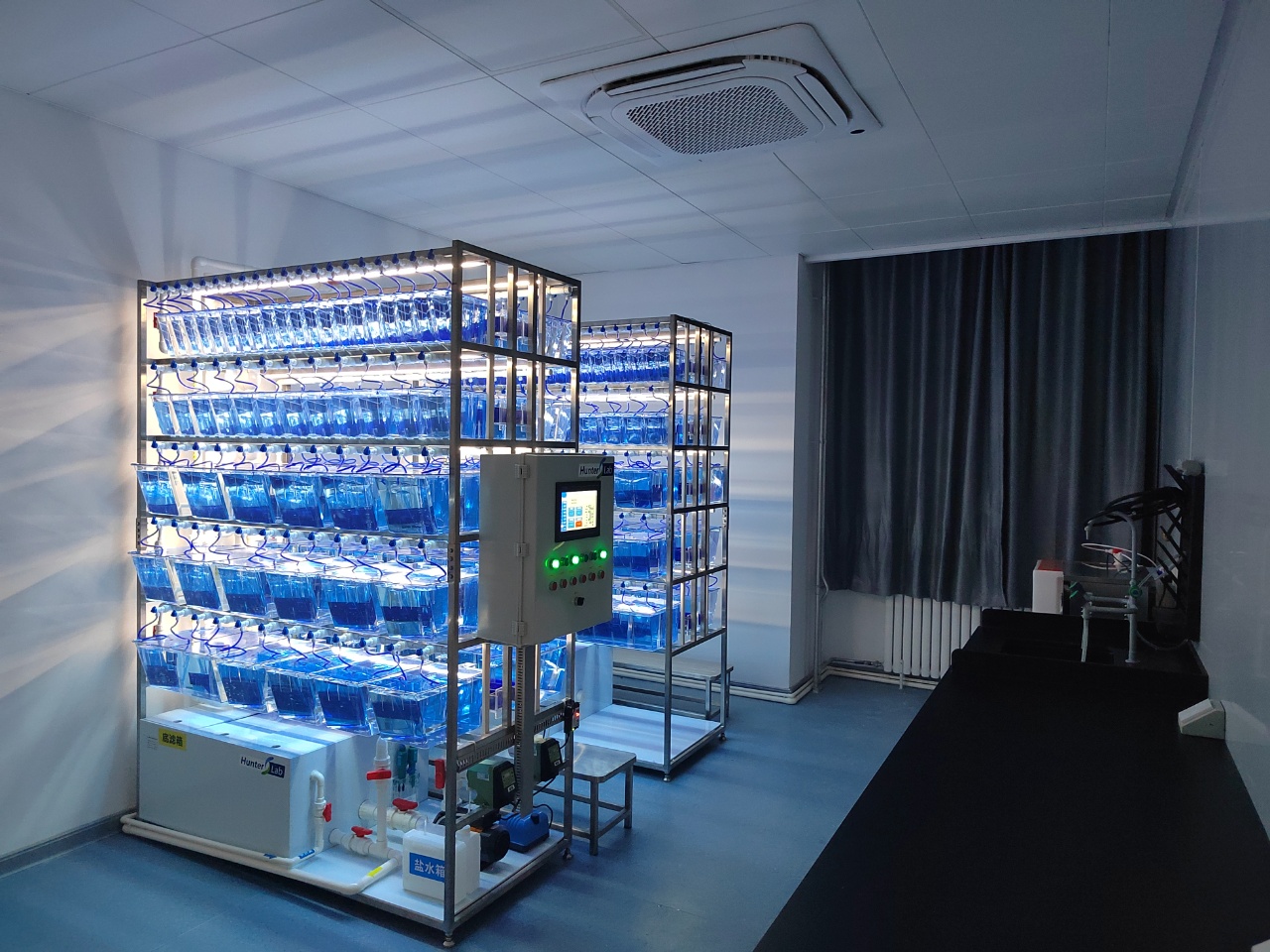
Why controlled reproduction is the backbone of developmental studies
Developmental biology runs on timing. A zebrafish embryo at 24 hours post fertilization is not the same as one at 30 hours. Gene expression shifts, organs take shape, and cell lineages commit to specific fates. If a batch of embryos spans several hours of development, downstream assays can mix signals from different stages. A zebrafish reproduction system exists to narrow that window.
Natural spawning in a tank is messy. Fish release eggs over a period that can stretch through the morning, and the exact moment of fertilization is rarely known. Controlled reproduction changes that. By managing light, temperature, and feeding cues, the system encourages a synchronized spawn. Eggs are collected within a short interval, so the developmental clock starts at roughly the same time for every embryo in the dish.
The Zebrafish Book, a standard reference in the field, recommends a 14-hour light and 10-hour dark cycle. Spawning typically follows the onset of light. That simple cue is the foundation for predictable embryo collection.
What a reproduction system actually manages behind the scenes
A reproduction system is more than a tank with a timer. It coordinates several variables that influence whether fish spawn and how healthy the eggs are.
-
Photoperiod: the light cycle is the primary trigger for spawning.
-
Temperature: most facilities hold adults around 28 degrees Celsius, and stability matters.
-
Water quality: pH, conductivity, and ammonia levels affect breeding condition.
-
Nutrition: live feed such as brine shrimp supports egg production.
-
Spawning substrate: trays or nets collect eggs and protect them from being eaten.
Automated systems handle these tasks with less human intervention. A controller can ramp lights on and off, maintain temperature, trigger feeding, and even rinse collection trays. Manual systems can work, but they demand daily attention and introduce variability between technicians.
| Feature | Manual reproduction setup | Automated reproduction system |
|---|---|---|
| Light control | Mechanical timer, may drift | Programmable, synchronized |
| Temperature stability | Depends on room and heater | Active control with sensors |
| Feeding schedule | Manual, variable timing | Programmed, consistent |
| Egg collection | Hand netting, timing varies | Timed collection, less handling |
| Record keeping | Paper notes, often incomplete | Digital logs, exportable |
Synchronizing spawning for staging and downstream assays
Synchronized spawning is not a luxury. It is a practical requirement for experiments that depend on precise staging. A study looking at neural crest migration might need embryos at 18 hours post fertilization. A cardiac study might target 48 hours. When embryos come from a single synchronized spawn, the stage range is narrow, and treatment groups are easier to compare.
A university lab in southern China learned this the hard way. The team was studying heart valve formation and needed embryos at a specific stage for RNA sequencing. Early batches were collected over several hours, and the sequencing data showed unexpected variance in developmental genes. After switching to a controlled reproduction system with timed collection, the stage window tightened, and the variance dropped. The biology had not changed. The timing had.
Environmental parameters that shape egg quality and yield
Egg quality is not just about genetics. It reflects the conditions the adults experience in the weeks before spawning. Temperature swings, poor nutrition, and overcrowding all leave a mark.
Photoperiod disruption is one of the most common culprits. A timer that drifts or a light left on overnight can suppress spawning for days. Research on zebrafish circadian rhythms has shown that even small shifts in the light cycle can alter reproductive output. The effect is not always immediate, which makes it easy to miss.
Water parameters matter too. Conductivity that drifts outside the recommended range can reduce fertilization rates. Ammonia spikes stress the fish and divert energy away from reproduction. A reproduction system that monitors and adjusts these parameters reduces the chance of a silent decline in egg production.
| Parameter | Typical target | Effect of drift |
|---|---|---|
| Temperature | 28 degrees Celsius | Slower or irregular spawning |
| pH | 7.0 to 7.5 | Stress, lower egg quality |
| Conductivity | 300 to 500 microsiemens | Reduced fertilization |
| Light cycle | 14 hours light, 10 dark | Disrupted spawning cue |
Integrating reproduction data with imaging and genomics workflows
Modern developmental biology workflows generate data at every step. Reproduction is no exception. A system that logs spawn time, egg count, and fertilization rate creates a record that can be linked to downstream results. If a sequencing batch shows odd expression patterns, the reproduction log can reveal whether the embryos came from a delayed or asynchronous spawn.
That integration is often overlooked. Labs invest in high-end microscopes and sequencers but track breeding on a whiteboard. The gap between the breeding record and the experimental data can make troubleshooting harder than it needs to be. A reproduction system with digital output closes that gap.
It is worth noting that data integration does not replace judgment. A log can show that spawning occurred at a certain time, but it cannot say whether the eggs look healthy. Human observation remains part of the workflow.
Where automation helps and where human judgment still matters
Automation brings consistency to repetitive tasks. Lights turn on at the same time every day. Feeding happens on schedule. Egg collection is timed. Those gains are real, especially in facilities with multiple racks and a rotating staff.
Automation also has limits. Sensors drift. Tubing clogs. A collection tray can overflow if the drain is blocked. The system cannot notice a fish that looks sick or an egg batch that has an unusual number of unfertilized embryos. Those observations still require a person.
A balanced approach treats the reproduction system as a tool that handles the routine, freeing staff to focus on the animals. The system supports the workflow. It does not replace the biologist.
Hunter Lab (Hunter) builds zebrafish laboratory equipment with attention to the environmental control and consistency that developmental studies demand. The manufacturing and quality control side supports the reliability that multi-rack facilities need. For labs that depend on predictable embryo production, that kind of build discipline is part of the foundation.








